How electric stoves work is a question many consumers have when they want to understand the energy conversion mechanism before investing for their families. Each type of stove has its own operating principle, directly affecting cooking efficiency and component durability. The article below will analyze in detail the operation of each type of stove for you to choose appropriately.
Common types of electric stoves today
Currently, electric stoves are divided into 3 main types: infrared stoves, induction stoves, and hybrid stoves, each with a completely different heat generation mechanism and heat transfer method:
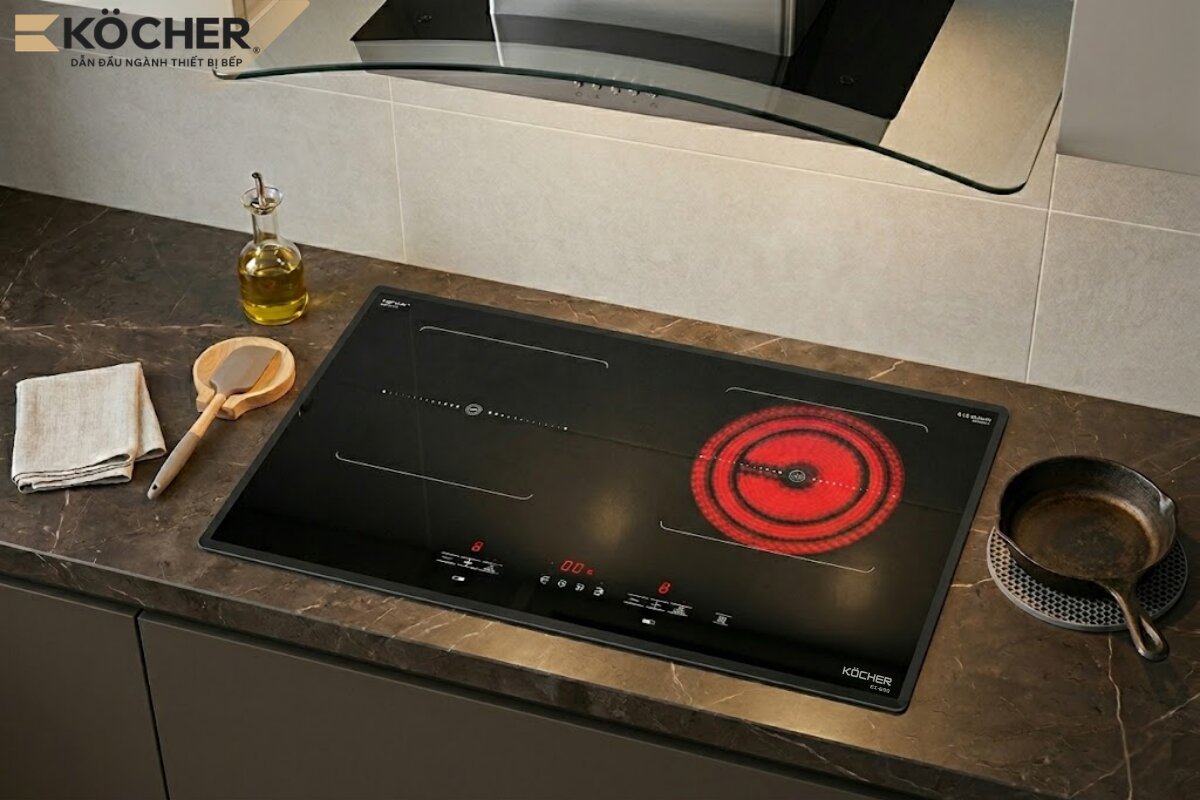
- Infrared stove: Uses a heating element (resistance wire or halogen lamp) to heat up and transfer heat through the glass surface via infrared radiation. This type of stove is not picky about pots and is suitable for most types of pots/pans.
- Induction stove: Uses the principle of electromagnetic induction to generate heat directly at the bottom of the pot, without heating the glass surface. High efficiency, safer than infrared stoves, but requires pots to have a magnetic base.
- Hybrid stove combines induction and infrared cooking zones on the same stove, providing a flexible choice for families who want to save electricity while not being limited by the type of pots.
How does an electric stove work?
The table below will help you summarize the core differences between the two popular electric stove products:
| Feature | Infrared stove | Induction stove |
| Principle | Heats the heating element, transfers heat through the glass to heat the pot. | Uses magnetic induction to generate heat directly at the bottom of the pot through eddy currents. |
| Type of pot | Not picky about pots: Suitable for all materials such as glass, ceramic, aluminum, clay… | Picky about pots: Only usable with pots that have a magnetic base (430 stainless steel, cast iron, iron). |
| Stove surface | Very hot, can cause burns if touched immediately after cooking. | The glass surface is only slightly warm due to heat transferred from the pot, much safer for users. |
| Efficiency | About 60 – 70%, significant heat loss to the surrounding environment. | About 90 – 95%, maximizes heat concentration at the bottom of the pot, helping to save energy significantly. |
Note: The hybrid stove is essentially a device that combines both technologies in one design. Depending on the cooking zone used, the stove will operate according to the specific principle of each type, as presented in the comparison table above.
Operating principle of infrared stoves (Thermal radiation)
Infrared stoves operate on the principle of converting electrical energy into thermal energy through the heating element beneath the glass surface.
Operating principle: The electric current passes through the resistance wires (or halogen bulbs), heating the heating element to a high temperature, emitting infrared thermal radiation. This heat transfers through the glass directly to the bottom of the pot and cooks the food – the reason the glass surface of the infrared stove heats up significantly during the cooking process.
Advantages of infrared stoves:
- Not picky about pots: Infrared stoves transfer heat through infrared thermal radiation, so they are compatible with most types of pots and pans: aluminum, clay, heat-resistant glass, ceramic, or stainless steel.
- Can grill food with a grill: Thanks to the glass surface being heated to high temperatures, infrared stoves can be used to grill thin foods like bread, shrimp, or thin meat when using a grill.
- Can utilize residual heat: After turning off the stove, the glass surface retains high temperatures for a few minutes. Therefore, you can use this heat to keep food warm, cook vegetables in soups or boil without consuming additional electricity.
- Lower initial investment cost: The price of infrared stoves is usually lower than that of induction stoves in the same segment, suitable for families wanting to save on initial investment costs and not needing to buy new pots and pans.
Operating principle of induction stoves (Induction)
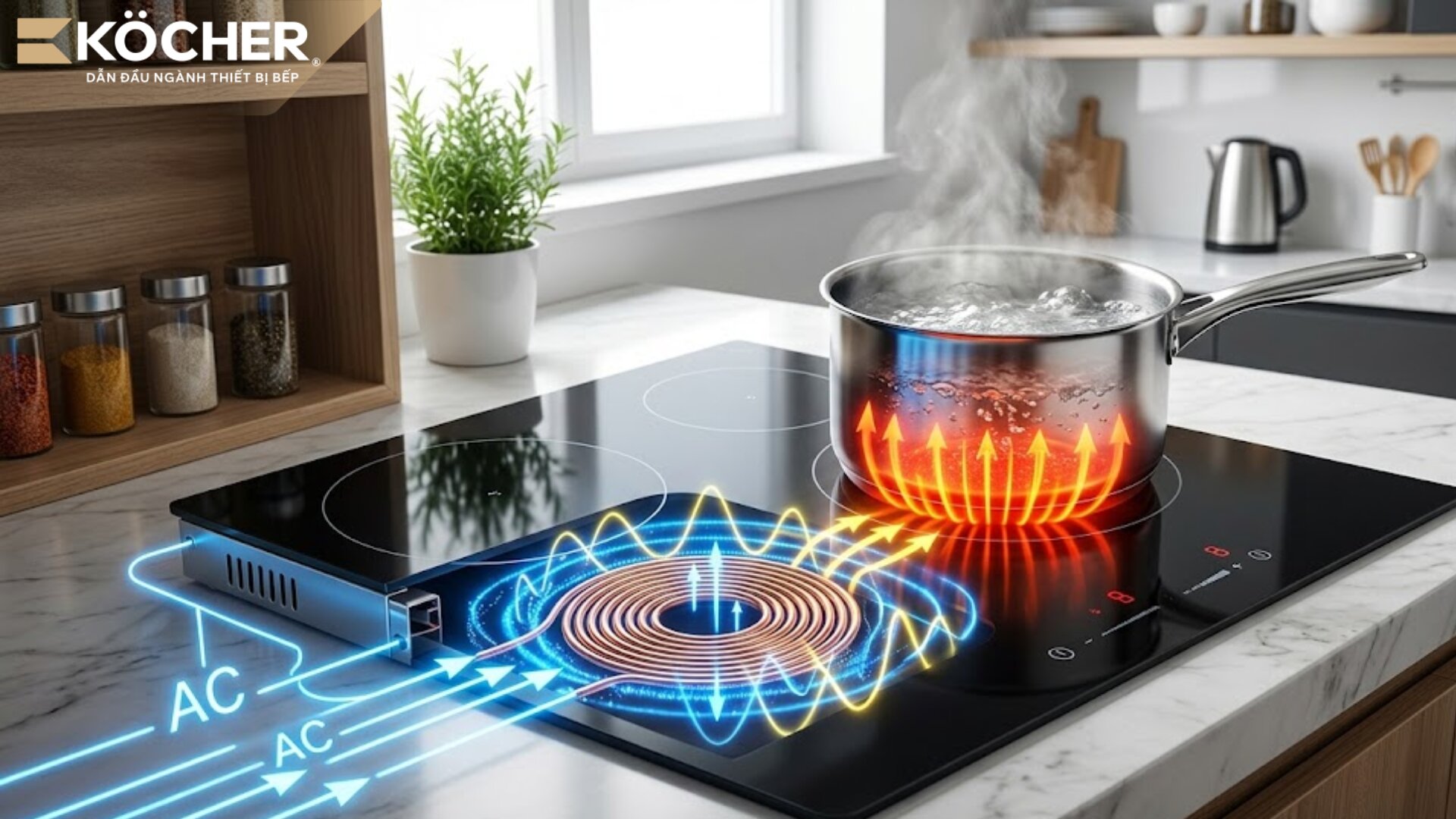
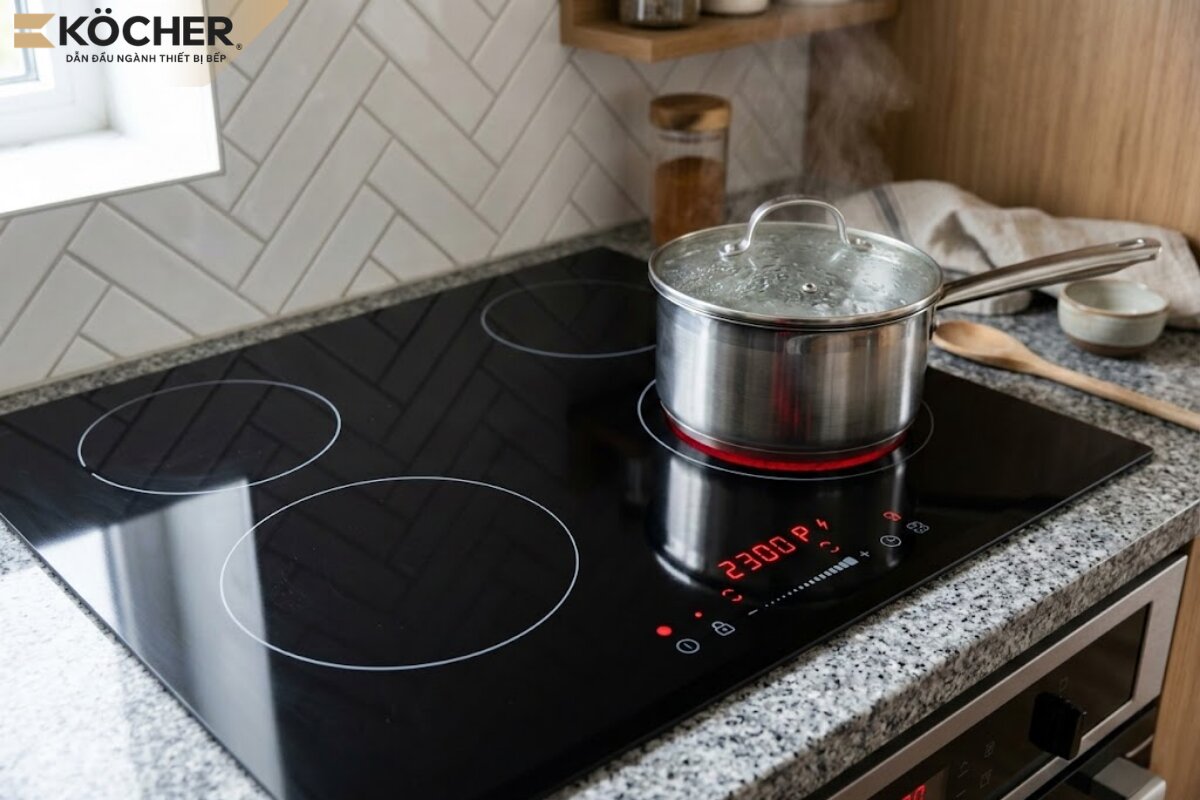
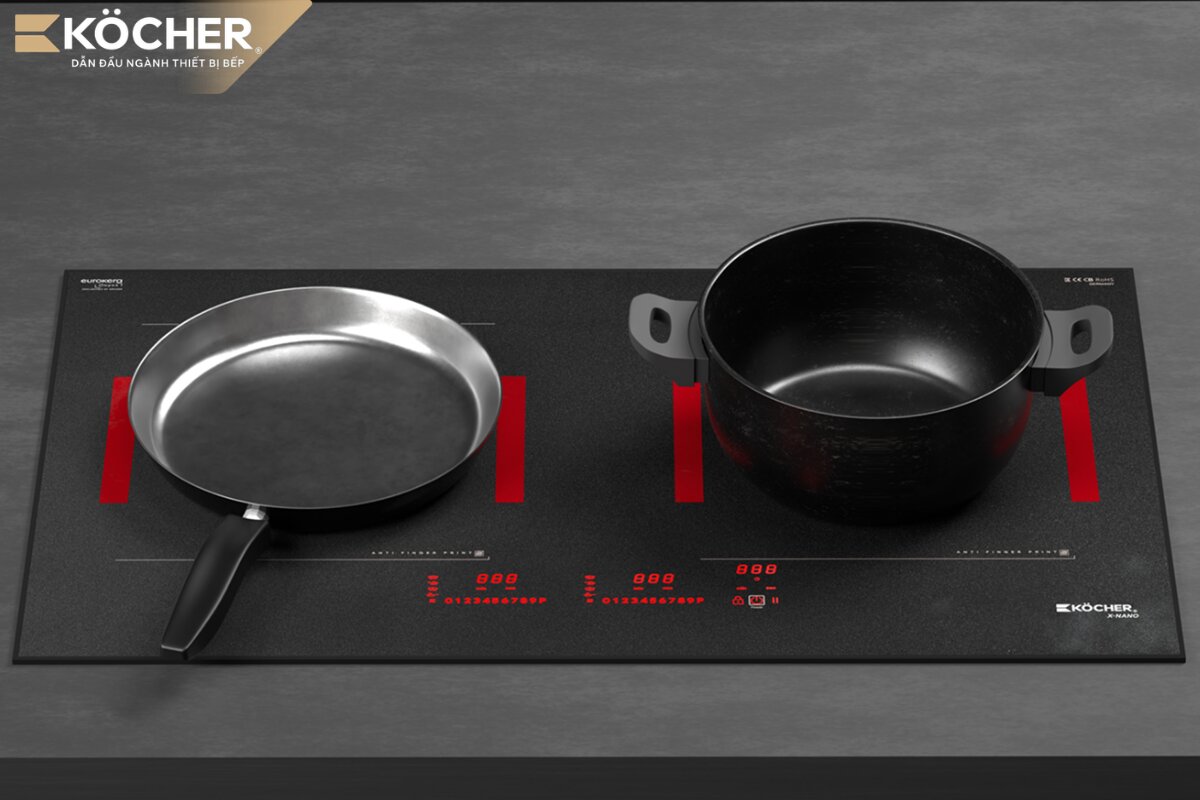
Induction stoves are electric stoves that apply the principle of electromagnetic induction, not heating any internal components but stimulating the bottom of the pot to generate heat.
Operating principle: The copper coil (induction plate) beneath the glass is supplied with alternating current, creating a varying magnetic field that penetrates through the glass. This magnetic field interacts with the magnetic base of the pot, inducing an eddy current (Foucault current) within the metal, converting it into heat through the resistance of the metal and heating the bottom of the pot.
Advantages of induction stoves:
- Fast cooking: Heat is instantly concentrated into the pot, boiling 1 liter of water in about 2 – 3 minutes, significantly faster than infrared stoves or gas stoves.
- Energy saving: The efficiency of converting electrical energy into thermal energy of induction stoves reaches 90 – 95%. Almost all consumed electricity is used to cook food, with no loss to the surrounding environment, optimizing monthly electricity bills.
- High safety: Induction stoves automatically turn off when no pot is detected on the stove surface, reducing the risk of burns and fires, making them very suitable for families with young children or the elderly.
- Precise temperature control: Induction stoves allow for precise power adjustments at small levels, meeting the cooking requirements that demand strict temperature control, such as simmering or braising at low temperatures.
- Does not heat the kitchen space: Since heat is generated directly at the bottom of the pot, induction stoves do not significantly increase the temperature of the surrounding kitchen environment, making them very suitable for the hot and humid climate in Vietnam.
Important notes when choosing to buy electric stoves
To choose a truly suitable electric stove, you need to consider your family’s actual needs. Below are important notes to consider before making a decision.
- Choose an electric stove that fits your cooking habits: If your family often uses aluminum, ceramic, or glass pots, an infrared stove is a suitable choice. If prioritizing energy savings and cooking speed, induction stoves offer superior efficiency. Families who want flexibility in pot types while also having an energy-saving cooking zone can consider purchasing a hybrid stove.
- Choose a stove based on the number of family members: For families of 3 – 4 people, a double stove is the most popular choice, balancing installation area and the ability to cook multiple dishes simultaneously. Larger families or those who often entertain guests should consider a stove with 3 – 4 cooking zones to significantly reduce meal preparation time.
- Choose a stove with good quality glass surface: Prioritize electric stoves that use Ceramic glass from reputable brands like Schott Ceran (Germany) or EuroKera (France). Avoid choosing stoves with unclear origins or poor quality glass as they may crack or break.
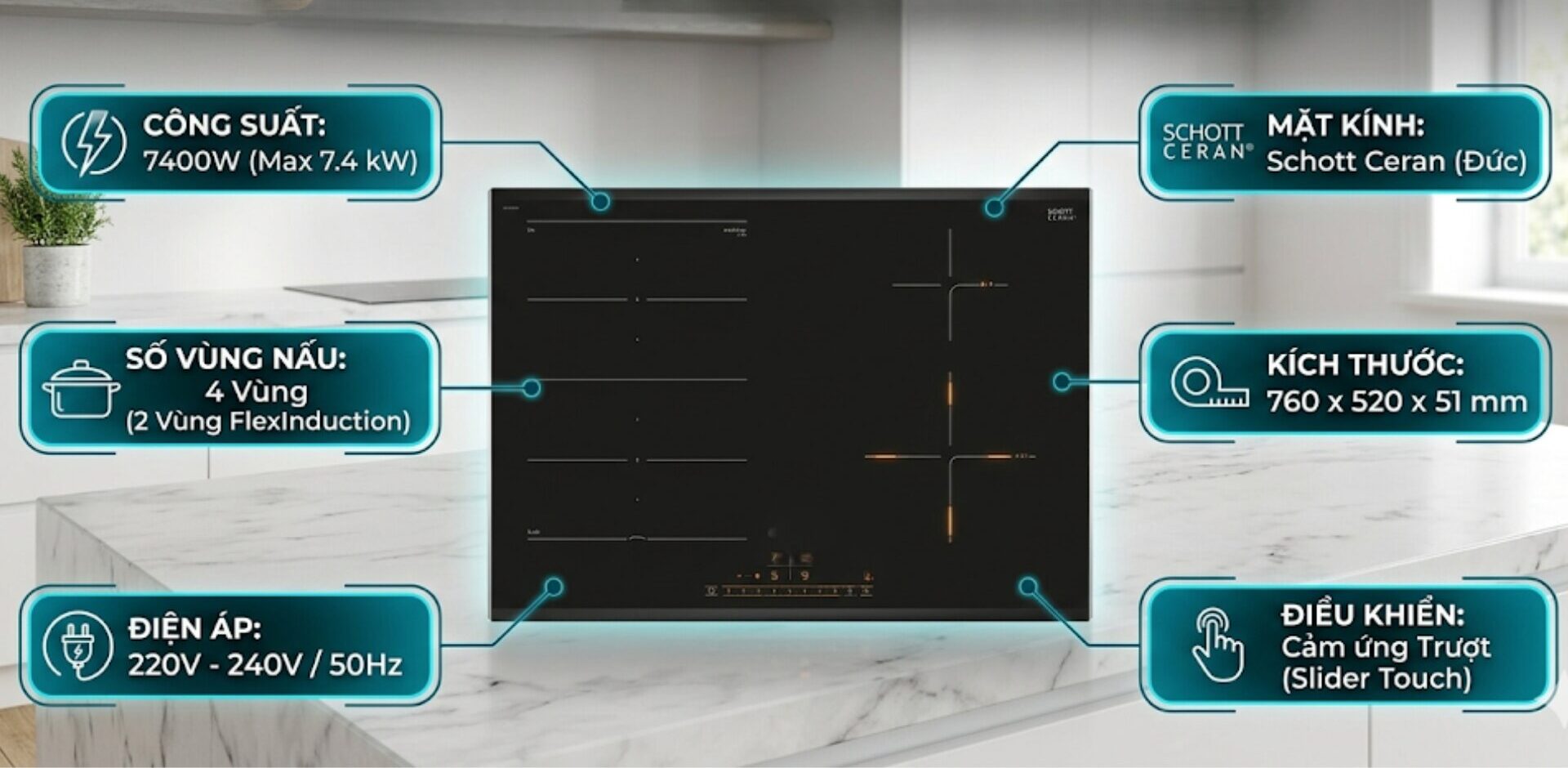
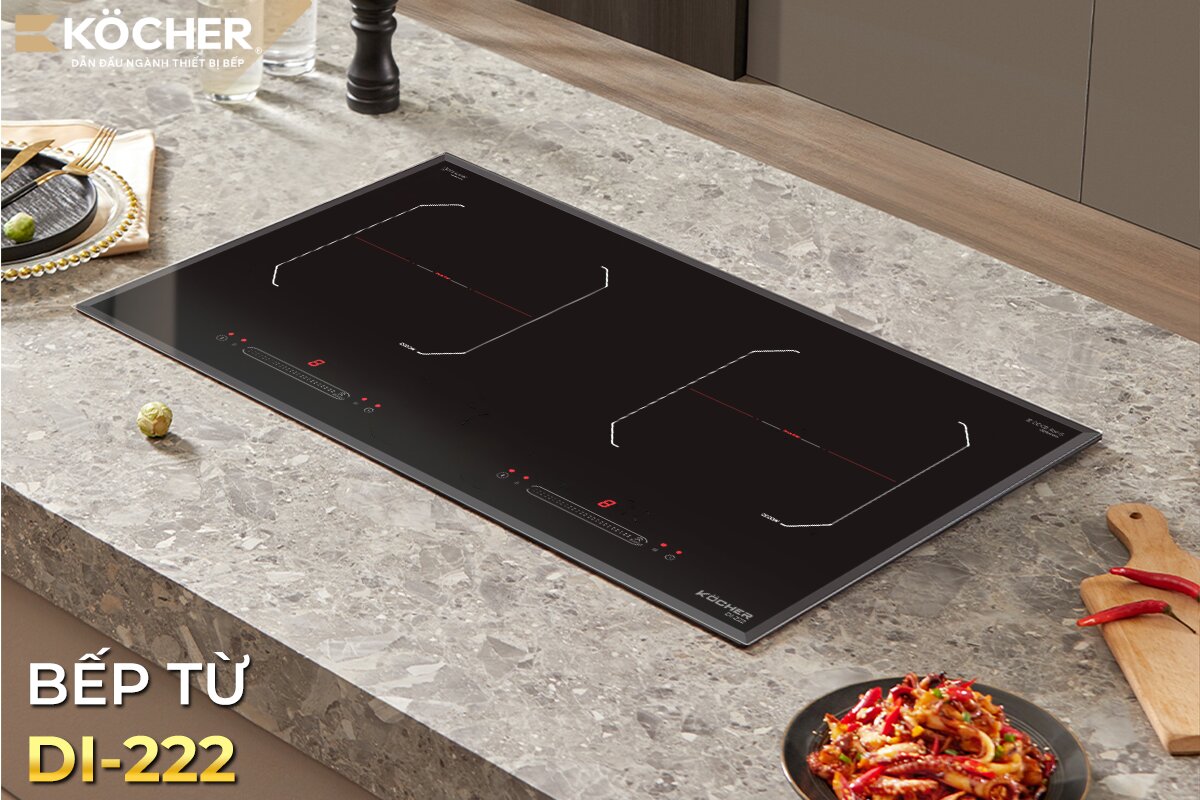
- Check your home’s power supply: Determine the total power of the stove and compare it with the circuit breaker of your home’s electrical system before purchasing. If the electrical system is weak, you should prioritize stoves designed specifically for areas with unstable voltage, such as the Köcher DIB4-888 induction stove, you can learn more about this stove here.
- Stoves with integrated safety and convenience features: Prioritize features such as child lock, residual heat warning, automatic shut-off when overheating or no pot is detected, and timer to ensure safety during use. To know more about the necessary features for induction stoves, you can refer to the article What is a smart induction stove? 11 essential features for induction stoves.
- Brand and warranty policy: Prioritize brands that clearly disclose the origin of components, especially the induction plate/heating element and control circuit. Additionally, the warranty policy should be transparent, and the warranty station network should be widespread nationwide to optimize repair costs when the device encounters issues.
Understanding how electric stoves work will help you use the device correctly and avoid damaging components. Each type of stove has its own operating principle, along with distinct advantages; mastering these will help you make a choice that fits your cooking habits and your family’s actual conditions.
If you are looking for high-quality electric stove products, please refer to Köcher’s products here. As a leading brand in kitchen equipment with E.G.O components meeting German standards, Köcher proudly offers durable and high-class cooking solutions for your family.
|
Köcher induction stoves pioneer German technology – For detailed product information, please contact:
|