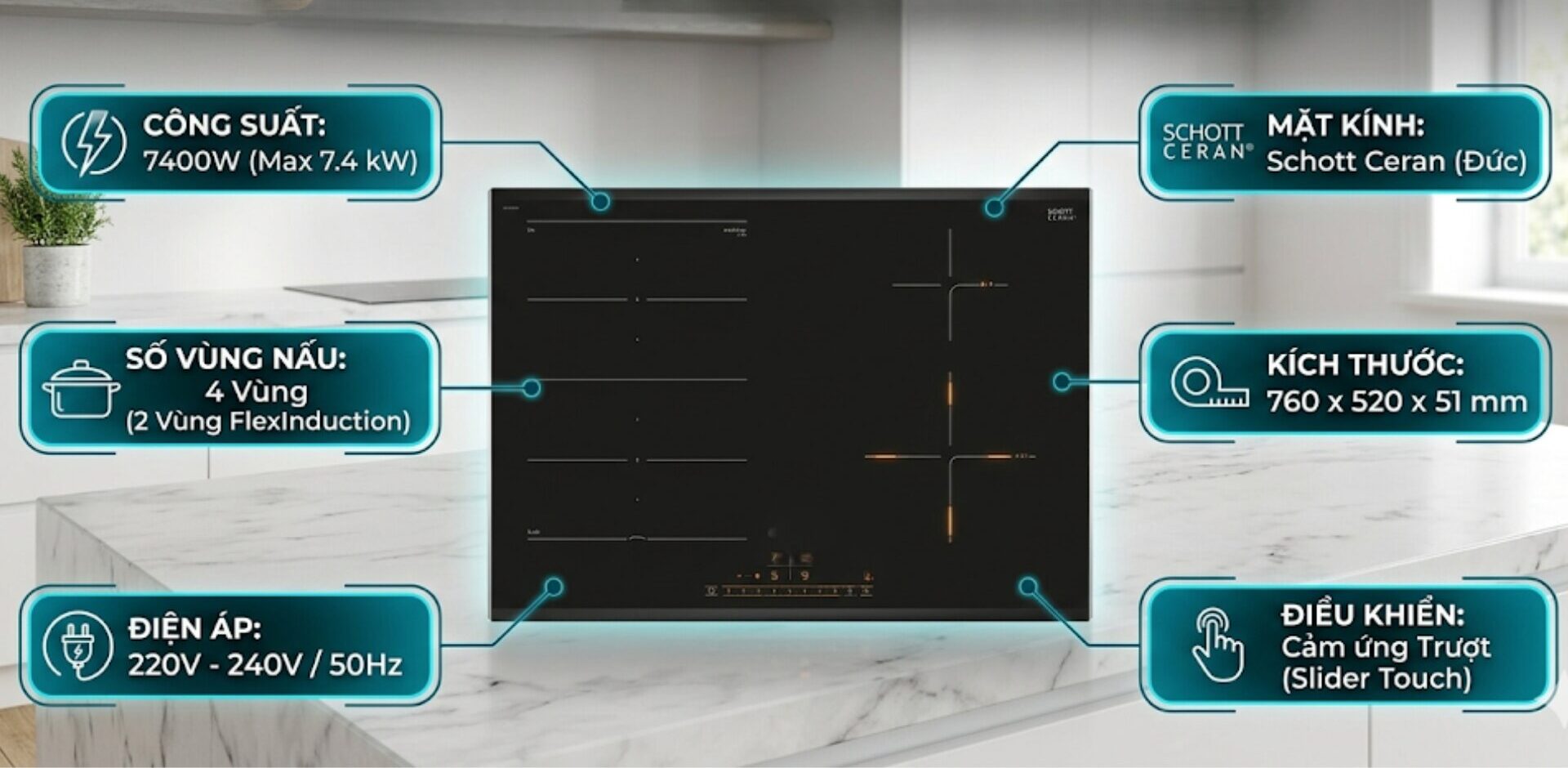
The kitchen appliance market today is becoming increasingly diverse types of electric stoves, from modern induction cookers, traditional infrared cookers to versatile combination cookers. Each type has its own operating principle, advantages, and disadvantages, suitable for different needs and spaces. The article below will help you understand the differences between each type of electric stove to make the right choice for your family.
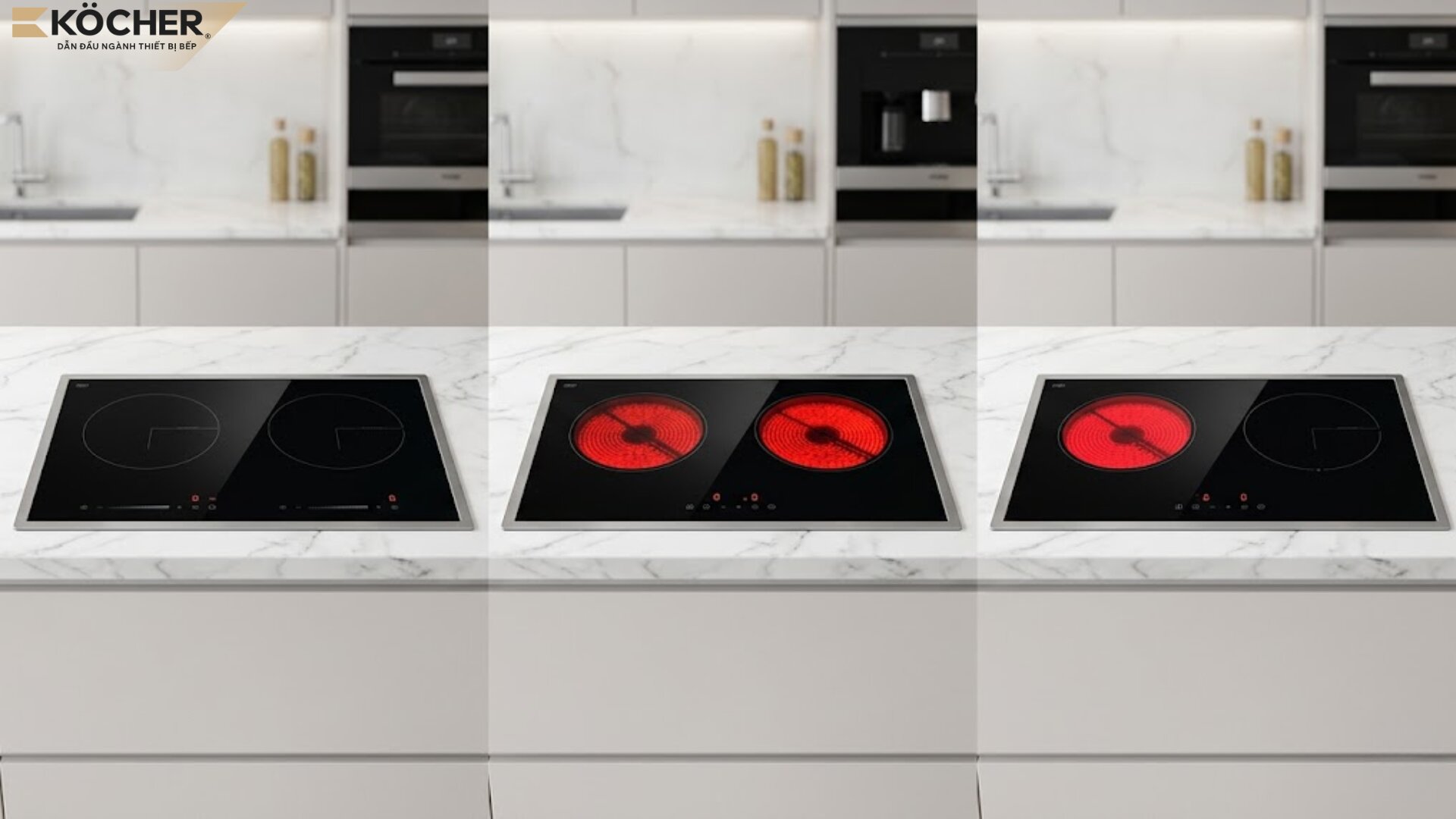
Common types of electric stoves today
Currently, electric stoves are mainly divided into 3 main product lines: induction cookers, infrared cookers, and combined induction and infrared cookers. The differences between the types of stoves lie in the heat transfer principle, which determines the efficiency, safety level, and operating costs of each product.
| Types of stoves | Operating principle | Advantages | Disadvantages |
| Induction cooker | Copper coils beneath the glass surface create a fluctuating magnetic field, directly inducing eddy currents in the ferromagnetic pot base to generate heat. | Extremely high efficiency (90 – 95%), fast cooking, energy-saving, safe, easy to clean. | Can only use pots with magnetic bases (430 stainless steel, cast iron), initial purchase price is usually higher. |
| Infrared cooker | Uses metal heating wires or red-hot heating plates to radiate heat, transferring through the glass surface to the pot base. | Can use all types of pots (ceramic, glass), lower initial purchase cost. | Lower efficiency (60 – 70%), the glass surface gets very hot while cooking, consumes more electricity. |
| Induction and infrared cooker | Integrates both induction cooking zones and infrared cooking zones on the same cooktop. | Flexible in pot types, leveraging the advantages of both types of stoves on the same device. | Higher price than single-type stoves, more complex control circuit system. |
| Halogen infrared cooker (electric cooker) | Uses halogen bulbs or carbon fibers to emit infrared rays to heat the glass surface. | Can use all types of pots, extremely fast heating speed right after turning on the stove. | Bulbs are prone to damage due to thermal shock, shorter lifespan than heating plates, consumes electricity and causes glare. |
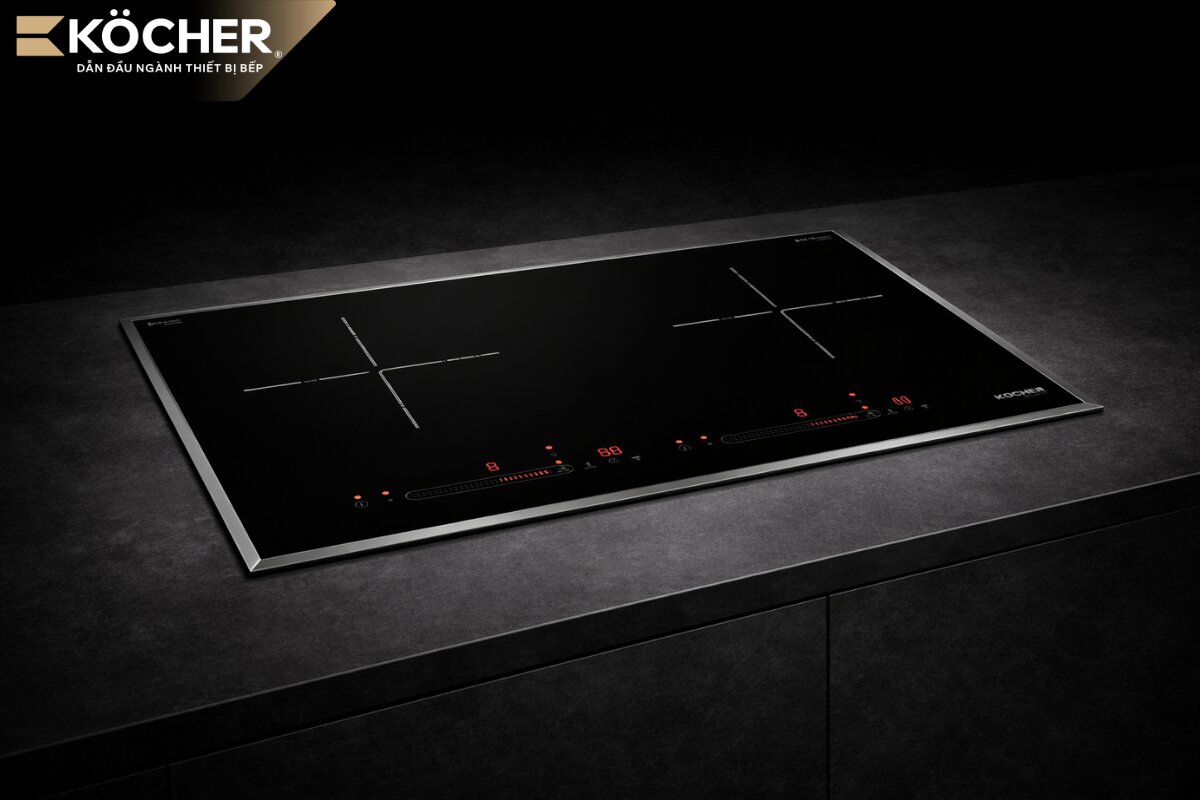
In addition to classifying electric stoves by their operating principles above, users can also differentiate electric stoves by many other criteria:
|
Detailed evaluation of the advantages and disadvantages of electric stove types
Each type of electric stove has its own unique technical characteristics, directly affecting the daily cooking experience. Below is a detailed analysis to help you better understand each type of stove before making a purchase decision.
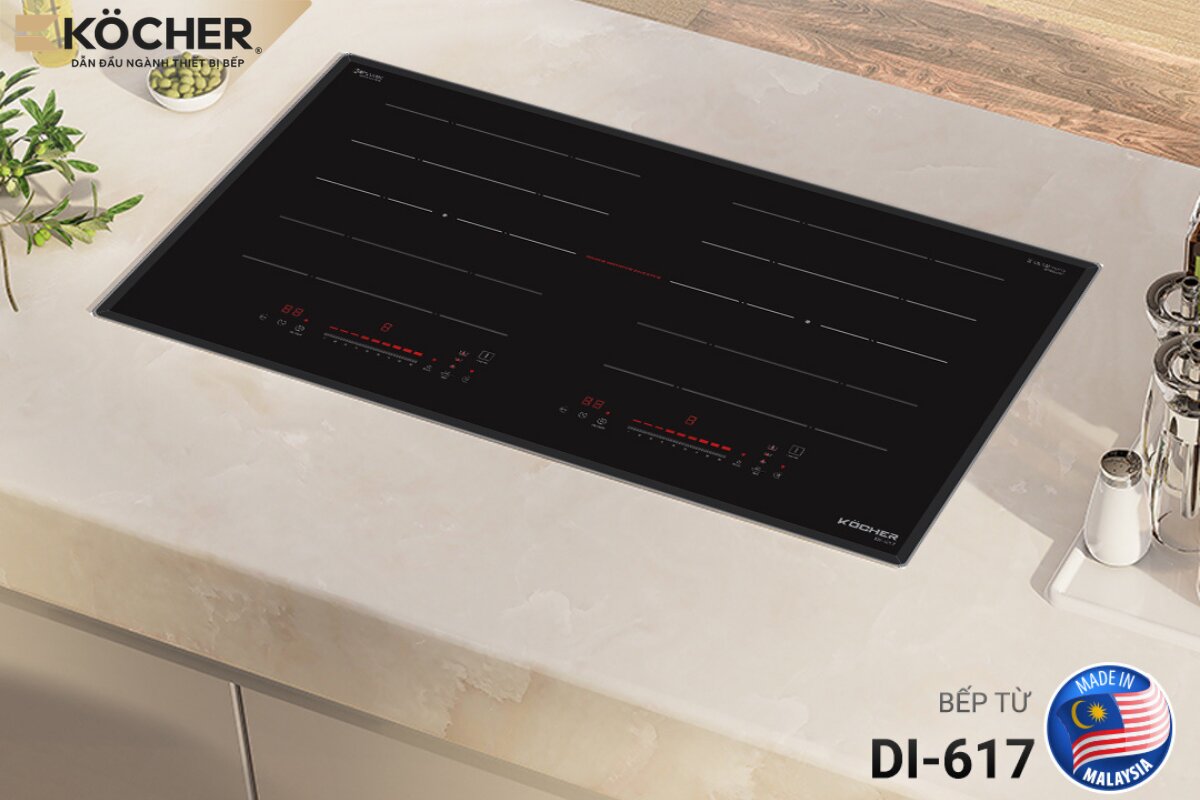
Induction cooker
Induction cookers operate based on the principle of electromagnetic induction: copper coils create a fluctuating magnetic field through the glass surface, directly stimulating the molecules in the ferromagnetic pot base to generate heat right at the pot base, instead of heating through the cooktop and then transferring to the pot like other types of stoves. This mechanism is the foundation for most of the superior advantages of induction cookers.
Advantages of induction cookers:
- High efficiency, fast cooking, reaching 90 – 95%, boiling 1 liter of water in just about 2 – 3 minutes.
- Energy-saving thanks to superior efficiency and shorter cooking time.
- Safe to use thanks to smart features.
- Cool cooktop, reduces burns because the glass surface is not directly heated.
- Easy to clean, just use a damp cloth to wipe off normal stains.
- Accurate temperature control, many modern features such as timer, child lock, warming mode.
- Modern design, high aesthetics thanks to the flat glass surface, easy to integrate into modern kitchen spaces.
- Does not heat the kitchen space because heat is concentrated at the pot base, heat loss to the surrounding environment is very little.
Disadvantages of induction cookers:
- Requires pots with magnetic bases such as 430 stainless steel pots, cast iron pots, or pots with a magnetic base layer.
- Higher initial purchase cost compared to infrared cookers in the same segment.
- Produces a small noise when operating due to the operation of the cooling fan and the induction coil.
- Requires specific installation, the cabinet space below must ensure that the ventilation gap is wide enough (at least 5cm).
To learn about the disadvantages of induction cookers for users, you can refer to the article The Harm of Induction Cookers
Induction and infrared cooker
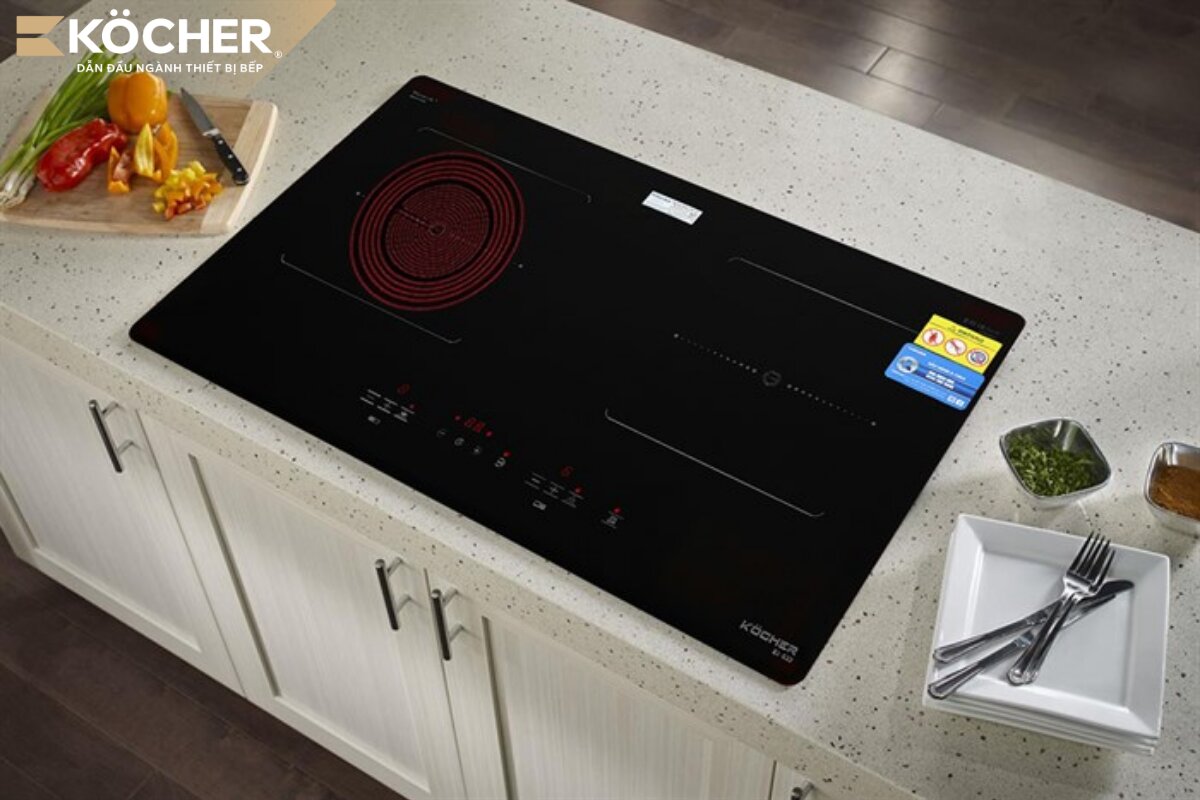
Induction and infrared cookers are products that integrate both technologies on the same cooktop: one or more cooking zones operate based on electromagnetic induction, and one or more other zones use infrared heating plates to heat the glass surface and transfer heat to the pot. This is a solution for families who want more flexibility in using cooking utensils.
Advantages of induction and infrared cookers:
- Flexible in pot types: The infrared zone allows the use of all types of pots including aluminum, ceramic, heat-resistant glass, while the induction zone still ensures high cooking efficiency. This is a significant advantage for families who do not want to replace their entire existing cookware set.
- Meets diverse cooking needs: The induction zone is suitable for tasks that require quick and strong heat such as boiling water, frying; while the infrared zone is more suitable for dishes that require stable, even heat such as stewing, braising, or slow cooking.
- Saves space compared to using two separate single stoves: Instead of having to place two separate types of stoves, the induction and infrared cooker combines both technologies into one device, helping to keep the kitchen space tidy and more cohesive.
- The induction cooking zone still ensures high efficiency: For cooking tasks using magnetic base pots, users still enjoy all the advantages of induction cookers such as fast cooking speed, energy savings, and the cooktop not getting hot directly.
- Suitable for many cooking styles: For families who often cook both Asian and European dishes, the combined stove helps meet flexibility without needing to adjust the type of utensils or cooking methods.
Disadvantages of induction and infrared cookers:
- The infrared zone still has a very hot surface: Users need to be aware that the glass surface of the infrared zone reaches high temperatures and retains heat after turning off, posing a burn risk if accidentally touched, similar to single infrared cookers.
- The infrared zone consumes more electricity than the induction zone: When using both zones simultaneously, the total electricity consumption will be higher than using only the induction stove, as the infrared zone has an efficiency of only about 60 – 70%.
- More complex maintenance: If a problem occurs, repairing the combined stove is often more expensive because the design of combined stoves is usually more complex, requiring technicians with experience in repairing induction and infrared cookers.
- Design limits the size of cooking zones: Because it has to share the cooktop area for both types of cooking zones, each zone may be smaller than a dedicated single stove of the same size.
Infrared cooker using heating plates
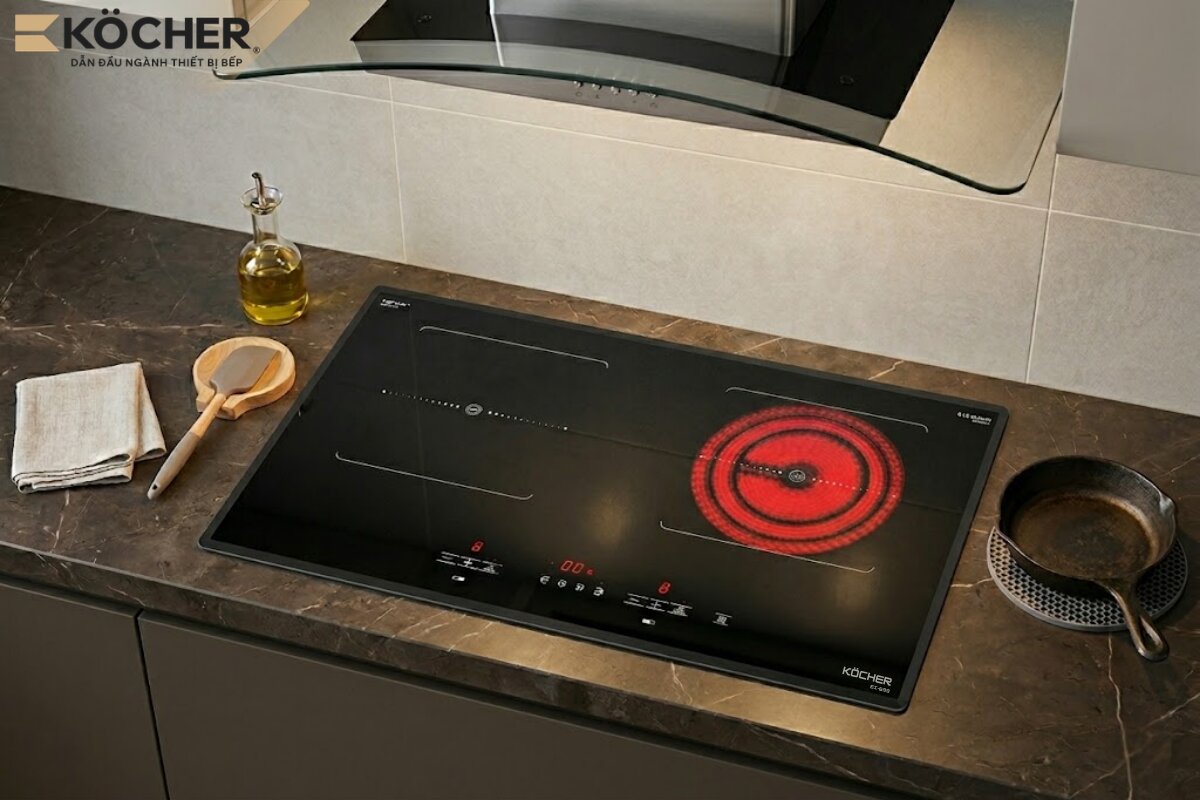
Infrared cookers using heating plates operate by conducting electricity through metal heating wires or flat heating plates beneath the glass surface. The heating plate heats the glass surface above, thereby transferring contact heat to the bottom of the pots and pans placed on the stove. This is the most common type of infrared stove on the Vietnamese market today.
Advantages of infrared cookers using heating plates:
- Compatible with all types of pots and pans: Does not require pots with magnetic bases, users can use aluminum pots, clay pots, heat-resistant glass pots, ceramic pots, or any material without needing to change their existing cookware set.
- Low initial investment cost: The price is usually lower than that of induction cookers, suitable for families with limited budgets or only needing a stove for simple daily cooking.
- Simple structure, easy to repair: No complex components like induction coils or halogen bulbs, a faulty heating plate can be replaced at a relatively low cost at reputable service centers.
- Does not require high power supply: Thanks to the thermal resistance wire structure, the stove can maintain continuous heat, minimizing errors or interruptions even when the power supply is unstable.
- Diverse design: Infrared cookers using heating plates have many options in terms of style, size, and number of cooking zones, from compact single stoves to double or triple integrated stoves.

Disadvantages of infrared cookers using heating plates:
- Lower efficiency than induction cookers: Because heat must be transferred through the glass surface before reaching the pot base, efficiency only reaches about 60 – 70%, boiling takes longer and consumes more electricity compared to induction cookers.
- The glass surface gets very hot during and after cooking: The glass surface can reach high temperatures when operating and retains heat for a while after turning off, posing a burn risk if accidentally touched.
- Harder to clean than induction cookers: Food that spills onto the hot glass will burn and stick tightly, requiring specialized scraping tools and taking more time to clean thoroughly.
- Heats the kitchen space: Due to the mechanism of heating the glass surface to transfer heat, the stove has slight heat loss to the surrounding area, the cook may feel warmth radiating around the stove when cooking for a long time.
- The heating plate may deteriorate over time: Heating wires that endure high temperatures continuously over many years will gradually age, potentially breaking or failing locally, affecting the stove’s ability to distribute heat evenly.
Halogen infrared cooker (Electric cooker)
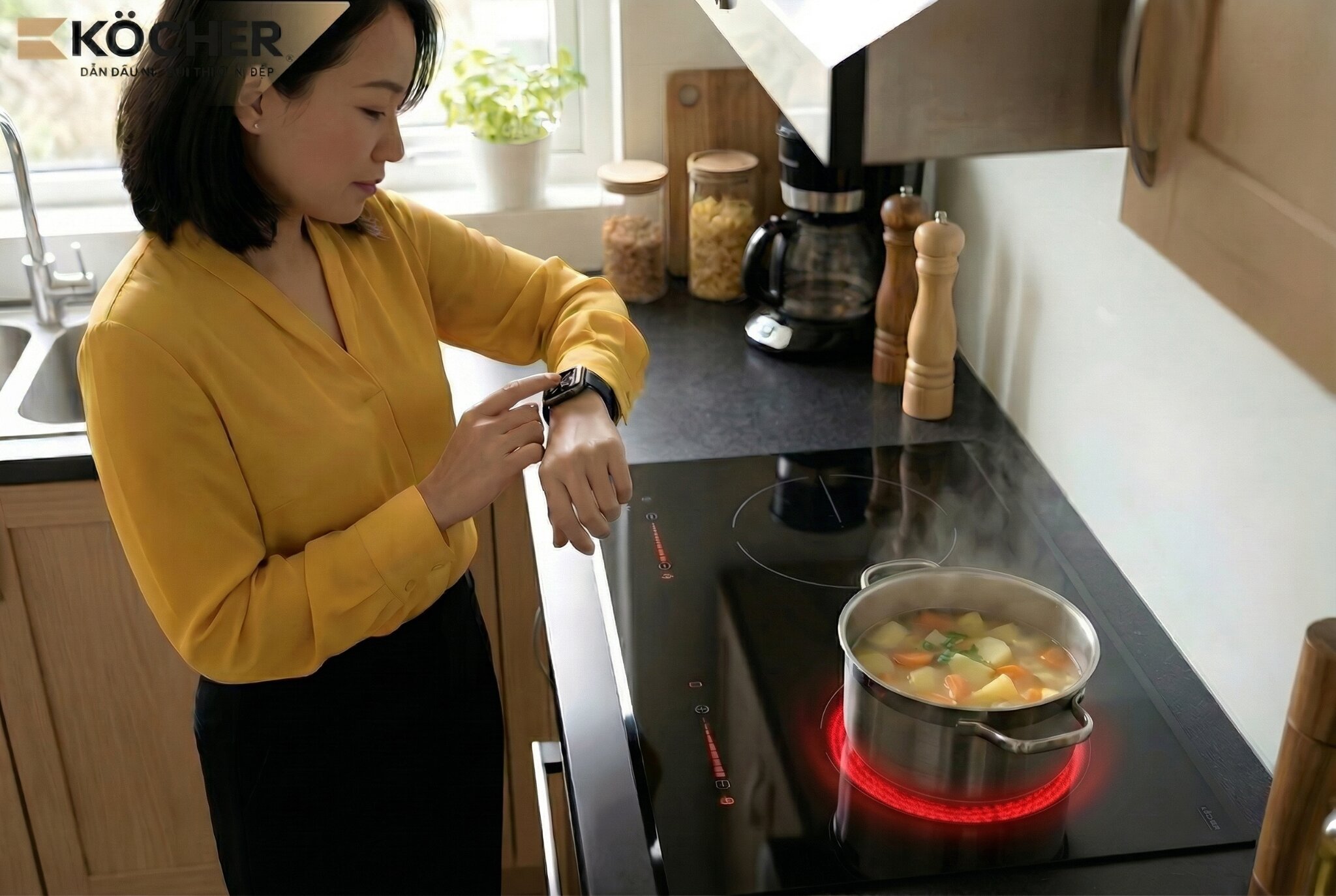
Halogen infrared cookers, also known as electric cookers, operate by conducting electricity through halogen bulbs or carbon fibers placed beneath the glass surface. These components emit infrared rays, passing through the glass and directly transferring heat to the pot base, providing faster initial heating speed compared to conventional heating plate infrared cookers.
Advantages of halogen infrared cookers:
- Compatible with all types of pots and pans: Suitable for aluminum pots, clay pots, heat-resistant glass pots, ceramic pots, and most common cooking utensils.
- Relatively fast initial heating speed: Halogen bulbs or carbon fibers can reach high temperatures within seconds after being turned on, faster than traditional heating plates that need time to gradually heat up.
- More affordable price: Electric cookers are usually the lowest price segment among electric stoves, suitable for temporary use or limited budgets.
- Easy to observe temperature visually: The light emitted from the halogen bulb when operating helps users easily recognize whether the stove is on or off, and the brightness also reflects the intensity of heat being used.
- Simple structure: The main components are bulbs or carbon fibers, easy to find and replace when damaged at many home appliance stores.
- Suitable for medium heat cooking: Electric cookers provide even and stable heat at medium levels, helping dishes that require long cooking times such as stewing and braising to cook evenly.
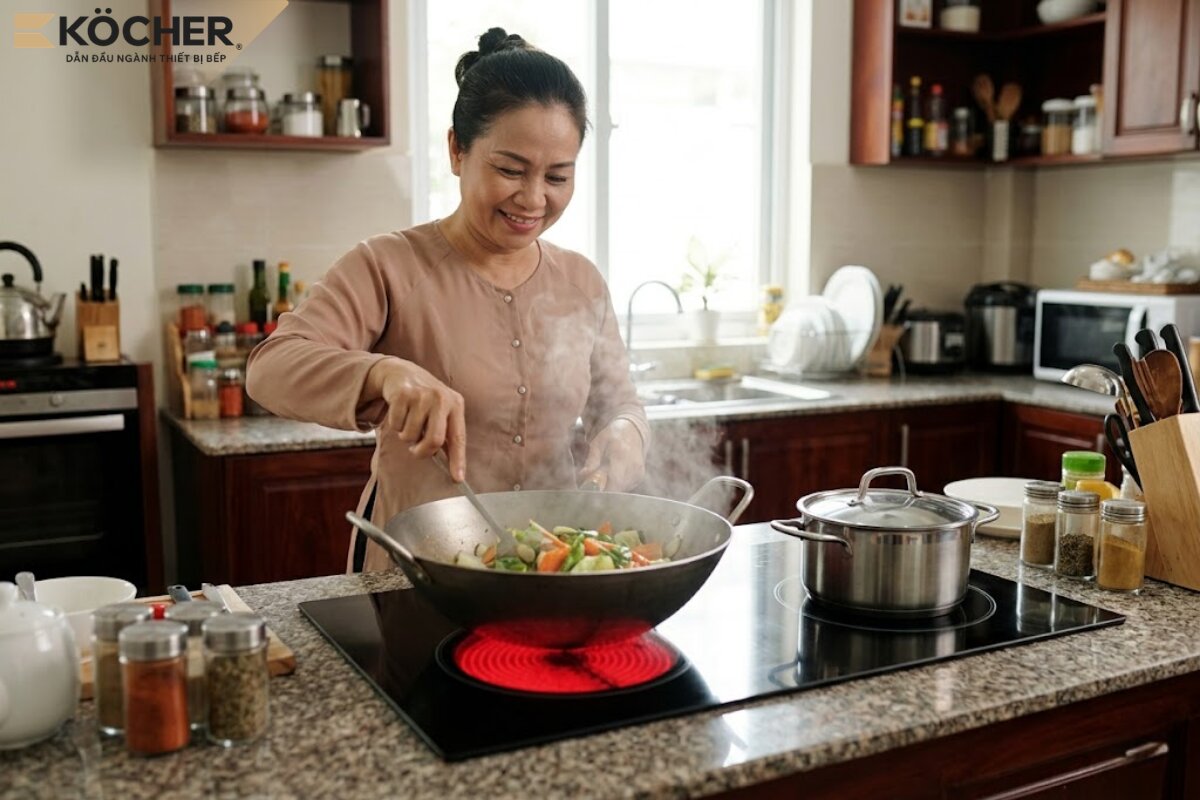
Disadvantages of halogen infrared cookers:
- Short bulb lifespan: Halogen bulbs or carbon fibers that endure very high temperatures continuously wear out quickly, often needing replacement after 1 – 3 years of regular use.
- Consumes a lot of electricity: Efficiency is equivalent to that of heating plate infrared cookers (about 60 – 70%), increasing monthly electricity costs compared to induction cookers when used at the same power level.
- The glass surface gets very hot during and after cooking: The burn risk is similar to that of heating plate infrared cookers, requiring caution when used in households with young children or the elderly.
- Glare when operating: Halogen bulbs emit strong and glaring light, which can be uncomfortable for the eyes if looked directly at during cooking, especially in low-light conditions.
- Overall durability is lower: Due to simpler construction and generally lower quality components than induction cookers or high-quality heating plate infrared cookers, the average lifespan of electric cookers is often shorter under daily use conditions.
- Hard to clean when food burns on: Similar to heating plate infrared cookers, the hot glass surface causes spilled food to easily burn and stick, requiring more tools and effort to clean.

Which electric stove should you buy for your family?
The most suitable type of stove will depend on actual cooking needs, investment budget, and kitchen space conditions of each family. Below are some suggestions for your reference:
- Should buy an induction cooker when: You prioritize safety for families with young children or the elderly, want to save electricity in the long run, and cook frequently with high speed needs (quick boiling, strong frying). Induction cookers are also an ideal choice for modern, minimalist kitchen spaces. However, you need to invest in a set of pots and pans with magnetic bases.
- Should buy an induction and infrared cooker when: Your family has diverse cooking needs and is using many different types of pots and pans (both magnetic and aluminum, ceramic). The combined stove helps you not to give up your familiar cookware set while still benefiting from the high-speed induction cooking zone.
- Should buy an infrared cooker using heating plates when: The initial investment budget is limited, or you only need a stove for cooking needs, without being too concerned about aesthetics. Infrared cookers are also suitable if you often cook dishes that require even and stable heat.
- Should buy a halogen infrared cooker (electric cooker) when: You want to use various types of pots, have a very limited budget, suitable for those living alone, cooking few meals, and do not require high performance or long-term durability. Be mindful of the costs of replacing bulbs and electricity consumption when used frequently.
Frequently asked questions about electric stoves
Below are answers to common questions that users often encounter when learning about electric stove types.
Which type of electric stove cooks the fastest?
Induction cookers are the fastest cooking type among electric stoves today. Because the heat is generated right at the pot base instead of having to go through an intermediary layer, the thermal efficiency reaches 90 – 95%. Halogen infrared cookers are the second fastest in terms of initial heating speed, but the total cooking time is still slower than induction cookers due to poorer heat transfer efficiency.
Which type of electric stove is the most energy-efficient?
Induction cookers are the most energy-efficient among electric stove types. An efficiency of 90 – 95% means that almost all of the electricity consumed is converted into useful heat for cooking food. Meanwhile, infrared cookers only achieve an efficiency of 60 – 70%, with the remaining electricity lost to the environment as heat.
Which type of electric stove is the easiest to use for the elderly?
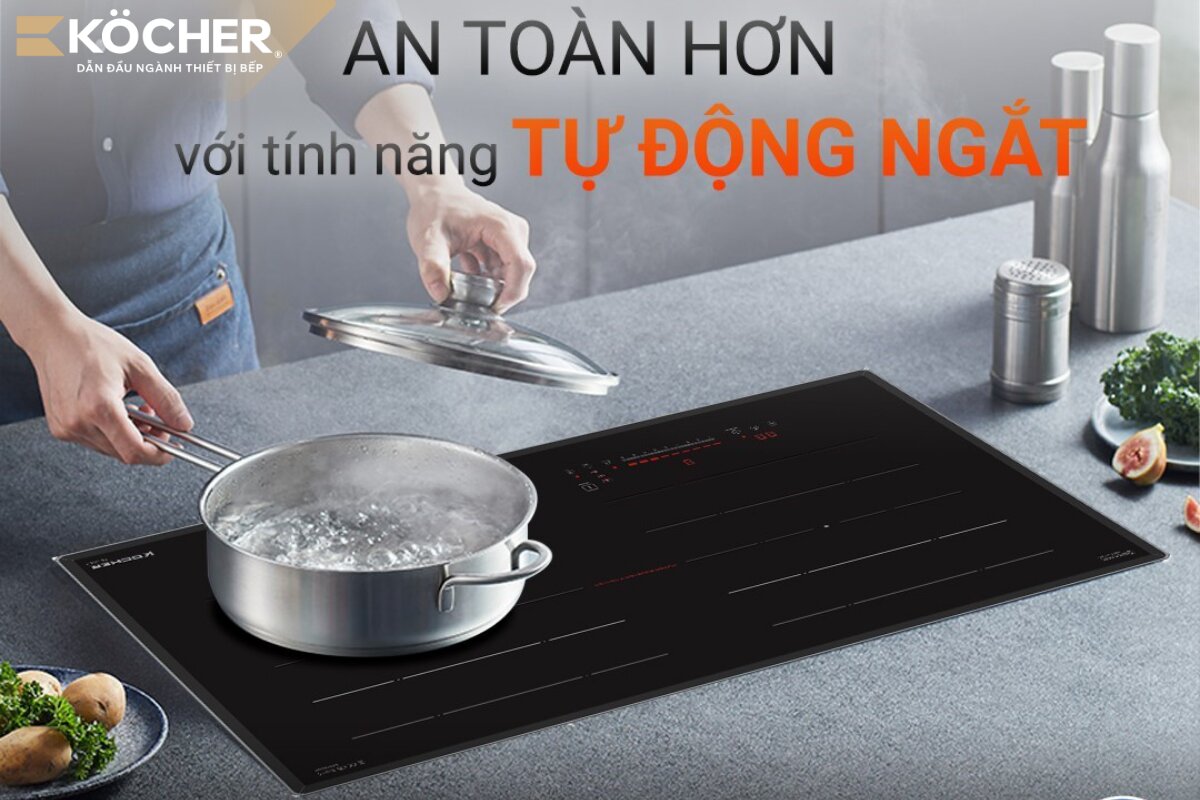
Induction cookers are the most suitable choice for the elderly, as the cooktop does not get as hot as infrared cookers, thus reducing the burn risk; the stove automatically shuts off when no pot is detected, minimizing risks when forgetting to turn it off. Additionally, many modern induction cookers are designed with simple buttons, making them easy for the elderly to use.
Which type of electric stove is the safest?
Induction cookers are considered the safest among electric stove types, thanks to three important features: the glass surface does not get too hot during use (only warm due to the pot’s temperature), the glass cools down quickly after cooking, and the sensor system automatically shuts off when no pot is present or when an unsuitable pot is detected.
What is the difference between built-in and portable electric stoves?
Built-in electric stoves and portable electric stoves are two different installation styles, independent of the integrated technology:
- Built-in electric stove: Installed flush with the countertop, creating a seamless, luxurious look and saving space. When installed, ensure that the cabinet space below is well-ventilated for the cooling system to operate effectively. However, the initial installation cost is higher, and removing the stove later is also more complicated.
- Portable electric stove: A standalone type, placed directly on the countertop, easy to install, move, and maintain. This product is suitable for non-fixed kitchen spaces or when you do not want to invest in renovating the countertop. However, the downside is that it takes up surface area and is often not aesthetically synchronized with other built-in appliances in the kitchen.
Hope this article has provided you with useful information about types of electric stoves today, from operating principles to advantages and disadvantages and suggestions for suitable choices. Understanding the differences between each type will help you invest in the right product, meeting actual cooking needs while optimizing long-term operating costs for your family.
If you are looking for high-quality induction or induction and infrared cookers, please check out Köcher’s products here. As a leading brand in the kitchen appliance industry with E.G.O standard German components, Köcher is proud to offer durable and high-class cooking solutions for your family.
|
Köcher induction cookers pioneer German technology – For detailed product information, please contact:
|