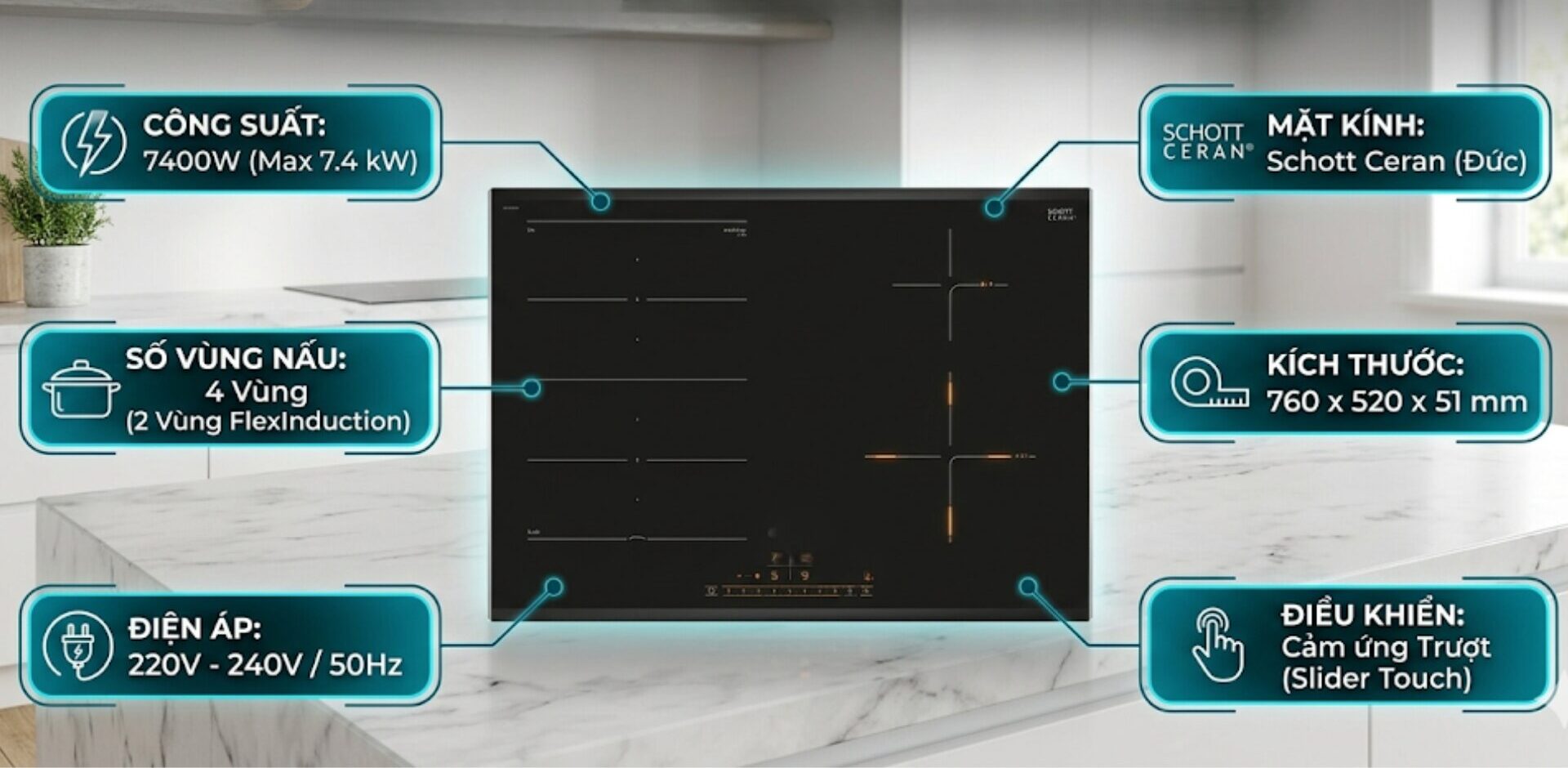
Should you install a built-in or a countertop induction cooktop? is a common question when families want to upgrade their modern and convenient kitchen space. Choosing the right type of cooktop not only affects aesthetics but also determines the convenience of cooking. This article from Köcher will analyze the strengths and weaknesses of each type of cooktop, helping you make the right decision for your kitchen.
Summary of the article:
- Built-in and countertop induction cooktops use the same induction technology and core components. The only difference lies in the installation method, which determines the advantages and disadvantages, operating costs, and usage limits of each type.
- Built-in cooktops stand out for their aesthetics, ease of cleaning, durability, multiple cooking zones, long lifespan, and low noise. Disadvantages include high fixed installation, significant initial investment costs, and the need for specialized technicians during installation.
- Most countertop cooktops on the market are more affordable, quick to install, easy to move, have simple warranties, and reduce the risk of fire. Limitations include average aesthetics, easy to get dirty, and usually only have 1-2 cooking zones.
- Choose a built-in cooktop when building new, replacing a built-in gas cooktop, or prioritizing aesthetics; choose a countertop cooktop when renting, frequently moving, or if the countertop is not suitable for built-in installation. The decision should be based on actual usage conditions, budget, and countertop material to ensure safety and convenience.
What is a built-in induction cooktop? What is a countertop induction cooktop?
To accurately determine whether your family should install a built-in or a countertop induction cooktop, you first need to understand clearly the concepts and operation of these two types of cooktops.
Built-in induction cooktop – recessed into the countertop, high aesthetics
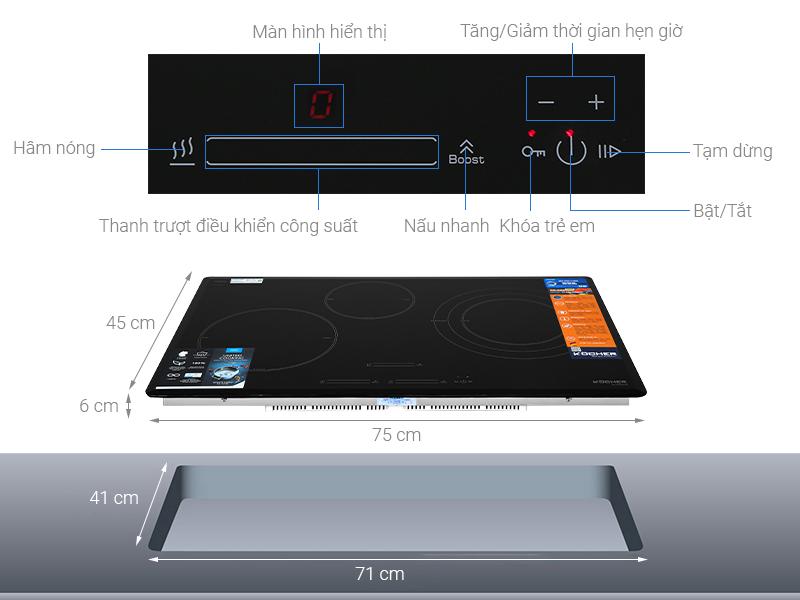
A built-in induction cooktop is a type of cooktop where the entire body, electrical wires, and cooling fan are installed hidden beneath the countertop. The only visible part is the flat tempered glass surface, which is only 1-3mm higher than the countertop, providing a seamless and luxurious feel to the cooking space.
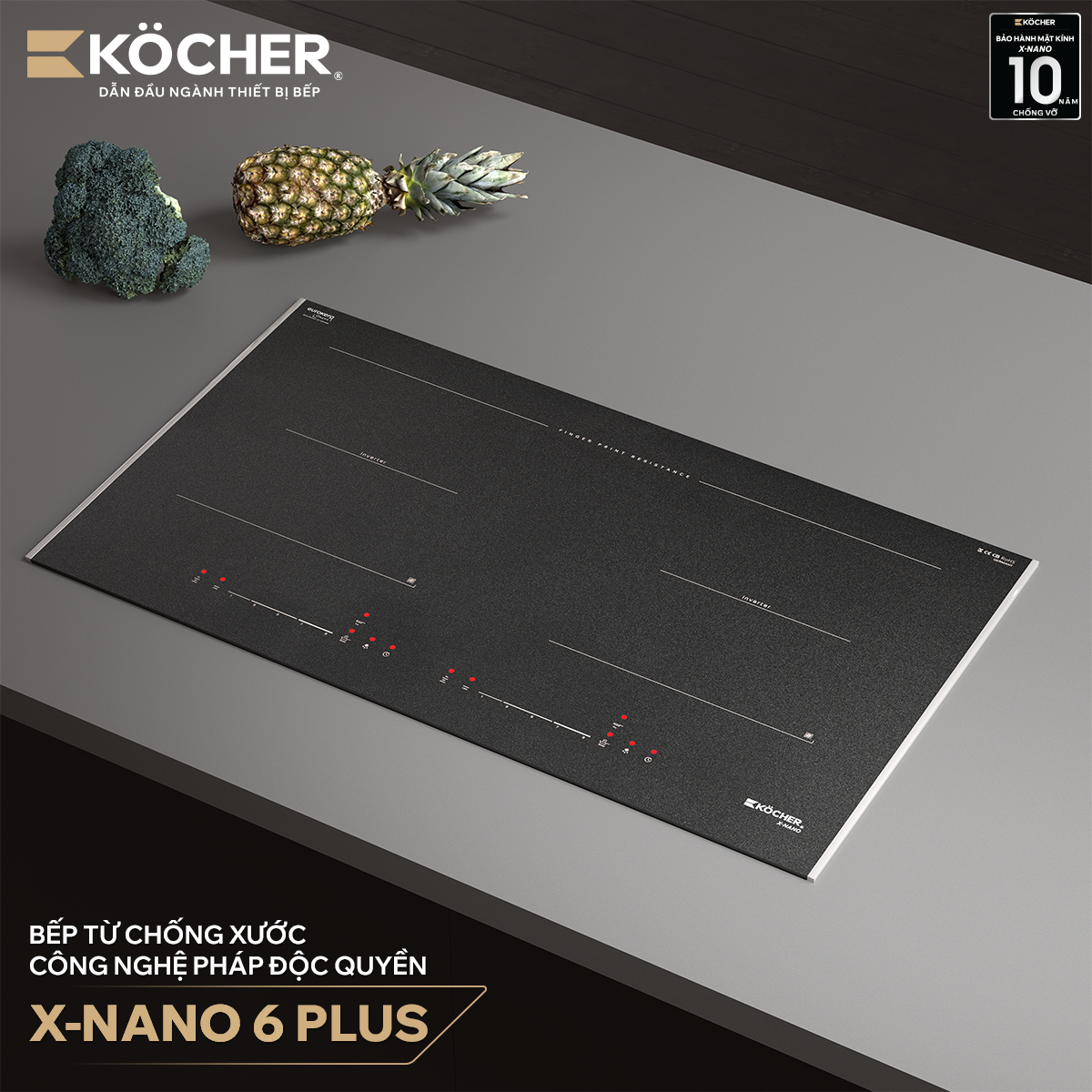 The built-in induction cooktop is installed so that the body is hidden under the countertop, only the cooktop surface is exposed[/caption>
To install this type of cooktop, the stone worker must measure and cut a hole in the countertop according to the exact size of the cooktop (the cut size). A silicone waterproof seal will be fitted around the glass edge to prevent water overflow and food debris from falling into the cabinet below.
Countertop induction cooktop – placed on the surface, flexible, no construction needed
A countertop induction cooktop is designed to be placed on the surface of the countertop, similar to how a traditional gas cooktop is placed. The underside of the cooktop is equipped with anti-slip rubber feet to keep it stable on any flat surface.
When using a countertop induction cooktop, you simply place it in the desired position, connect it to the power source, and you can start cooking.
The only and most important difference between these two product lines is the installation method. Therefore, considering whether to install a built-in or a countertop induction cooktop should be based on your family’s actual usage needs.
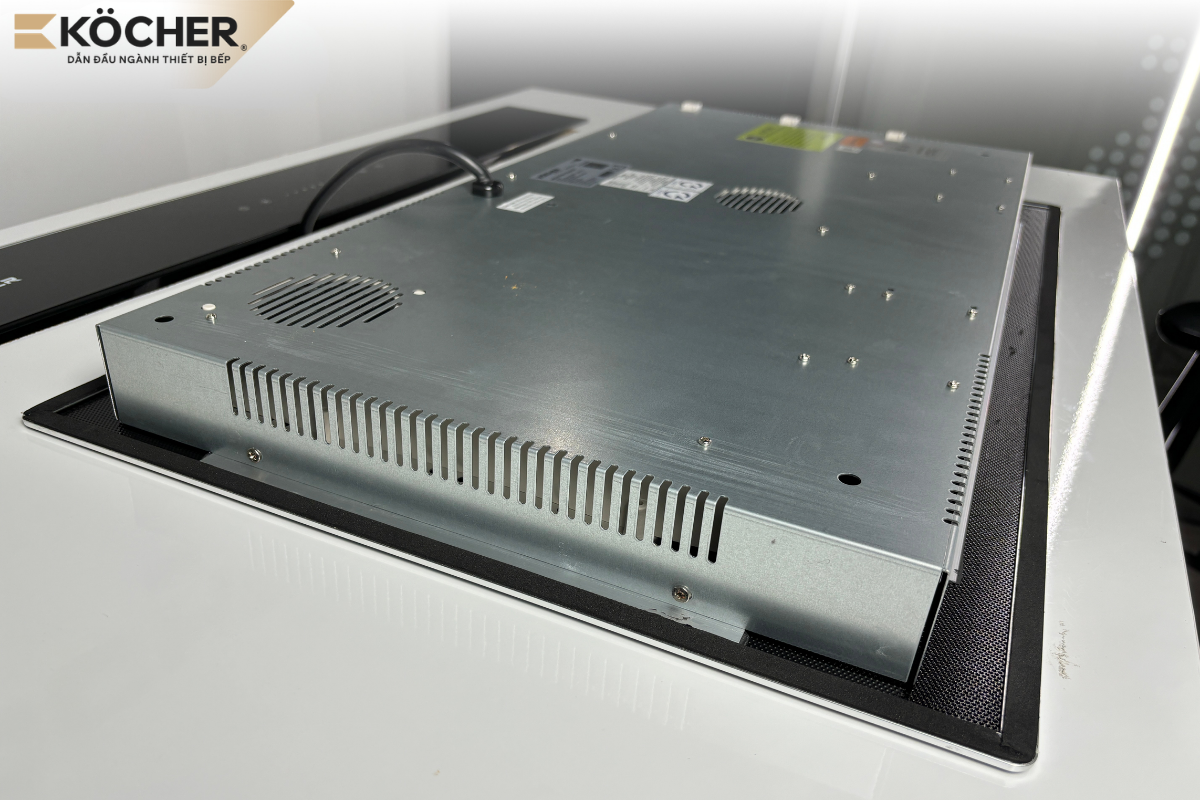 The DI-355 induction cooktop has a large body, can be placed on the countertop in the kitchen
Advantages and disadvantages of built-in induction cooktops
5 outstanding advantages of built-in induction cooktops
- High aesthetics, easy to clean: Because the glass surface is almost flush with the countertop, the kitchen looks more spacious and modern. This design eliminates the gaps where grease and stubborn dirt accumulate, which are hard to clean in countertop cooktops.
- Superior material durability: To withstand the pressure of recessed installation, high-end built-in cooktops often use premium glass such as Schott Ceran (imported from Germany) or EuroKera K+ (France). These types of glass can withstand forces up to 50kg, temperatures of 1000°C, and have excellent thermal shock resistance. The casing underneath is also made of stainless steel or galvanized steel with effective anti-oxidation powder coating in the humid environment of the cabinet.
- Long lifespan: Thanks to the high-quality components and good circuit board protection, a genuine high-end built-in induction cooktop has an average lifespan of 10-15 years if used and maintained properly.
- Diverse cooking zones: You can easily choose from double, triple, or quadruple cooking zones to comfortably prepare multiple dishes at once, suitable for large families.
- Extremely low noise: High-quality built-in cooktops often use squirrel cage cooling fan systems (turbine fans) that operate quietly, cool quickly, and are less noisy than coaxial fans. Additionally, the cooktop body being recessed under the countertop also acts as a natural soundproofing layer.
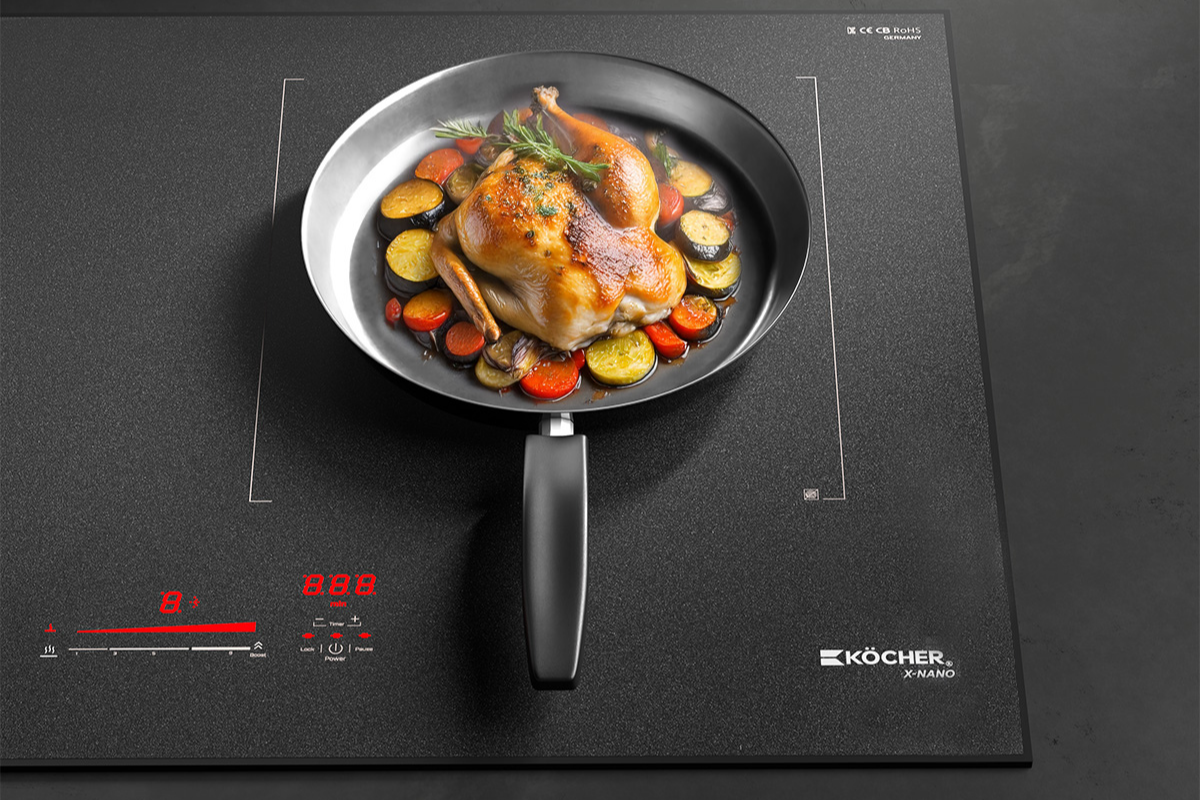 The X-Nano glass induction cooktop offers a luxurious appearance, superior load and heat resistance
2 disadvantages of built-in induction cooktops and how to overcome them
- High fixed installation: Once the stone is cut and silicone is applied for fixing, moving the cooktop to another position is quite difficult.
- High initial investment cost: Built-in induction cooktops range from 3 million to over 30 million VND, significantly higher than countertop cooktops (only from 600,000 to 5 million VND).
Advantages and disadvantages of countertop induction cooktops
5 advantages of countertop induction cooktops
- Flexible: Due to the raised design, when you want to change the installation position, you just need to disconnect from the circuit breaker and move the cooktop to another position. Repairing the cooktop is also simpler.
- Quick installation: Just connect the power supply to the circuit breaker, and the cooktop can operate.
- Reasonable price, easy access: With an average budget of only from 600,000 to under 5 million VND, you can own a stable double countertop induction cooktop. This is an ideal choice for students, working people renting, or young families just starting out.
- Reduced risk of fire: Poor quality built-in induction cooktops, combined with unscientific cooking habits (continuously using the Booster mode), along with hot weather and high usage frequency can lead to the risk of short circuits, fires, causing safety hazards.
 It is advisable to choose quality built-in induction cooktops with European components like Köcher’s product lines
3 disadvantages of countertop induction cooktops and how to overcome them
- Aesthetics at an average level, easy to get dirty: Most countertop induction cooktops on the market have a thick body that stands out above the countertop, with designs that are not yet refined and fully harmonized with modern living spaces.
- Limited number of cooking zones: Most countertop cooktops only have a maximum of 2 cooking zones, while built-in cooktops can have 3 cooking zones, meeting the complex cooking needs of larger families (from 5 members and above).
Comparison of built-in and countertop induction cooktops based on 8 criteria
To help you quickly decide whether to install a built-in or a countertop induction cooktop, Köcher has created the detailed comparison table below based on the 8 most important criteria:
| Criteria | Built-in induction cooktop | Countertop induction cooktop | Quick selection suggestion |
| Installation type | Recessed flush into the countertop | Placed on the countertop | Depends on the cooktop design to choose |
| Aesthetics | Luxurious | Standard | Choose Built-in if prioritizing aesthetics |
| Mobility | Low (fixed in one place) | Very high (freely movable) | Choose Countertop if frequently moving |
| Number of cooking zones | From 1 to 4 cooking zones | Usually only 1 or 2 cooking zones | To cook multiple dishes at once, choose Built-in |
| Application | For families of 4 or more | Small families of 2 – 4 | For large families, choose Built-in |
| Initial purchase price | Ranges from 3 – 30 million VND | Ranges from 600,000 – 5 million VND | Low budget, choose Countertop |
| Installation cost | 200,000 – 500,000 VND | No cost, or cost of buying a circuit breaker | Countertop cooktops save installation costs |
| Estimated lifespan | Durable from 10 – 15 years | Durable from 10 – 15 years | Choose Built-in or Countertop |
| Noise level during operation | Depends on fan design | Depends on fan design | Choose Built-in or Countertop |
Should you install a built-in or a countertop induction cooktop? Evaluation by each case
If building a new house or renovating the entire kitchen
You should choose Built-in induction cooktop (if the budget allows) or high-end double countertop induction cooktop (if you want to save on kitchen cabinet costs).
This is the ideal time to design a built-in cooktop because the stone workers are working on the countertop, and cutting the hole will not incur additional costs and time outside.
 The construction phase is the time to consider choosing a built-in induction cooktop as the kitchen design will determine the size of the stone cut
If renting a house, dormitory, or not planning to stay long-term
Choose Countertop induction cooktop for easy movement when changing rentals.
If you still want to install a built-in cooktop while renting, please obtain written consent or a clear contract appendix from the landlord, and agree specifically on who will bear the cost of sealing the cutout in the stone when you move out.
If you want to replace an old built-in gas cooktop with a modern induction cooktop
You should choose Built-in induction cooktop, but you need to carefully measure the dimensions of the old cutout. Currently, there are many double built-in induction cooktops designed to fit the standard size of built-in gas cooktops so that users can install them without further adjustments.
If the current countertop is not made of quality stone
Choose Countertop induction cooktop (or renovate the countertop before installing built-in) because the countertop material directly determines the safety when installing a built-in cooktop. For example, cheap artificial stone countertops can easily crack during use due to high temperatures, posing safety risks.
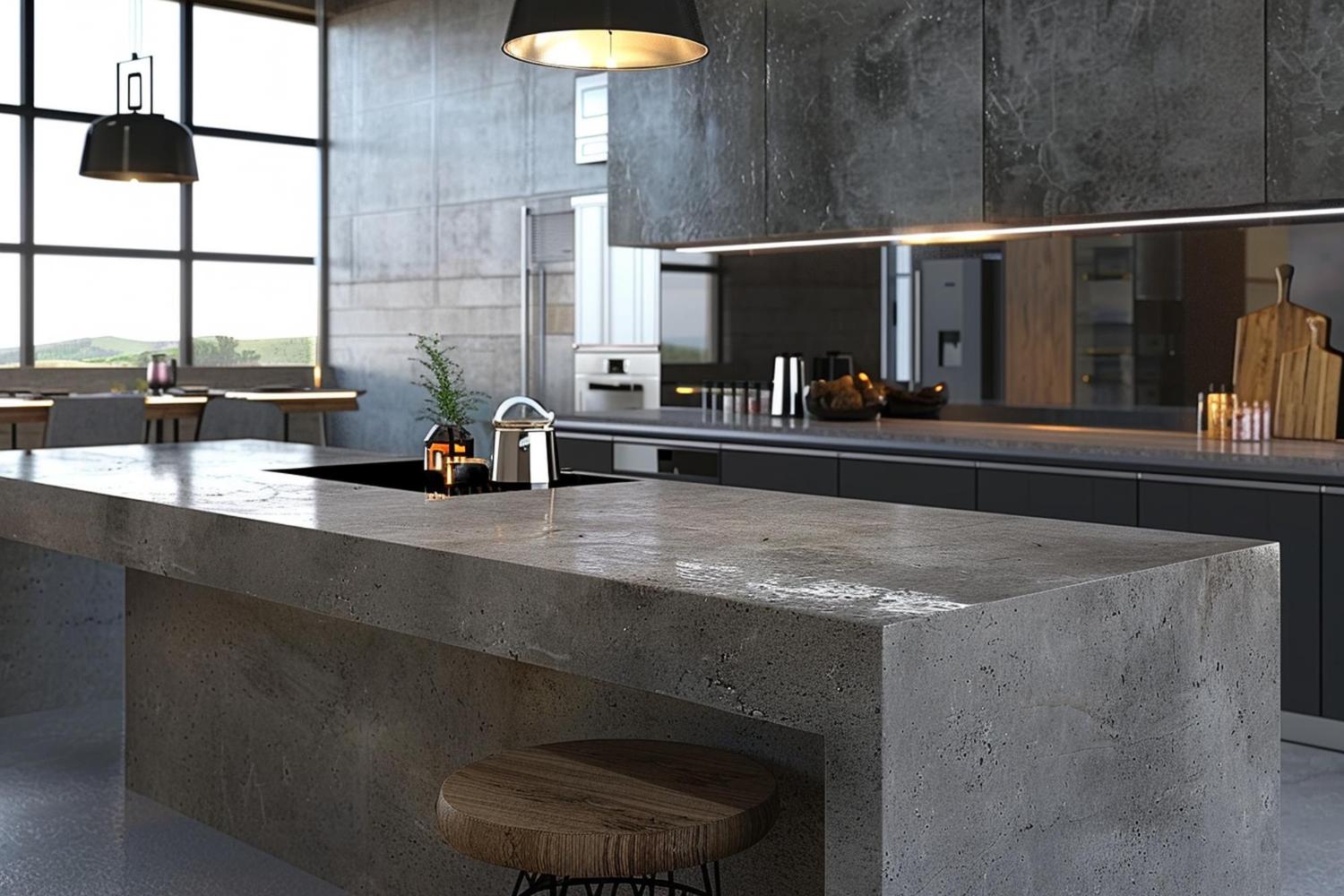 It is advisable to choose quality stone countertops for installing built-in induction cooktops
Can a built-in induction cooktop be used as a countertop? Can a countertop induction cooktop be installed as built-in?
During the consideration of whether to install a built-in or a countertop induction cooktop, many families wonder about the possibility of switching between these two types of cooktops when living conditions change.
Can a built-in induction cooktop be used as a countertop?
If you have already purchased a built-in induction cooktop but do not want to cut the countertop immediately, you can place it on the surface like a regular countertop cooktop, provided that the body of the cooktop is large enough to support the entire cooktop surface.
Can a countertop induction cooktop be installed as built-in?
Countertop induction cooktops are basically not designed for built-in installation. If intentionally installed as built-in, the cooktop will be blocked from heat escape, leading to reduced component lifespan, overheating, and safety hazards. To use as built-in, you should choose specialized built-in induction cooktops.
In summary, the decision whether to install a built-in or a countertop induction cooktop does not have a concept of which type is better or worse, but the most important thing is which type is most suitable for your actual conditions and usage needs. Please carefully consider your actual needs to make the smartest investment decision for your home.
|
Köcher induction cooktops pioneer German technology – For detailed product information, please contact:
|