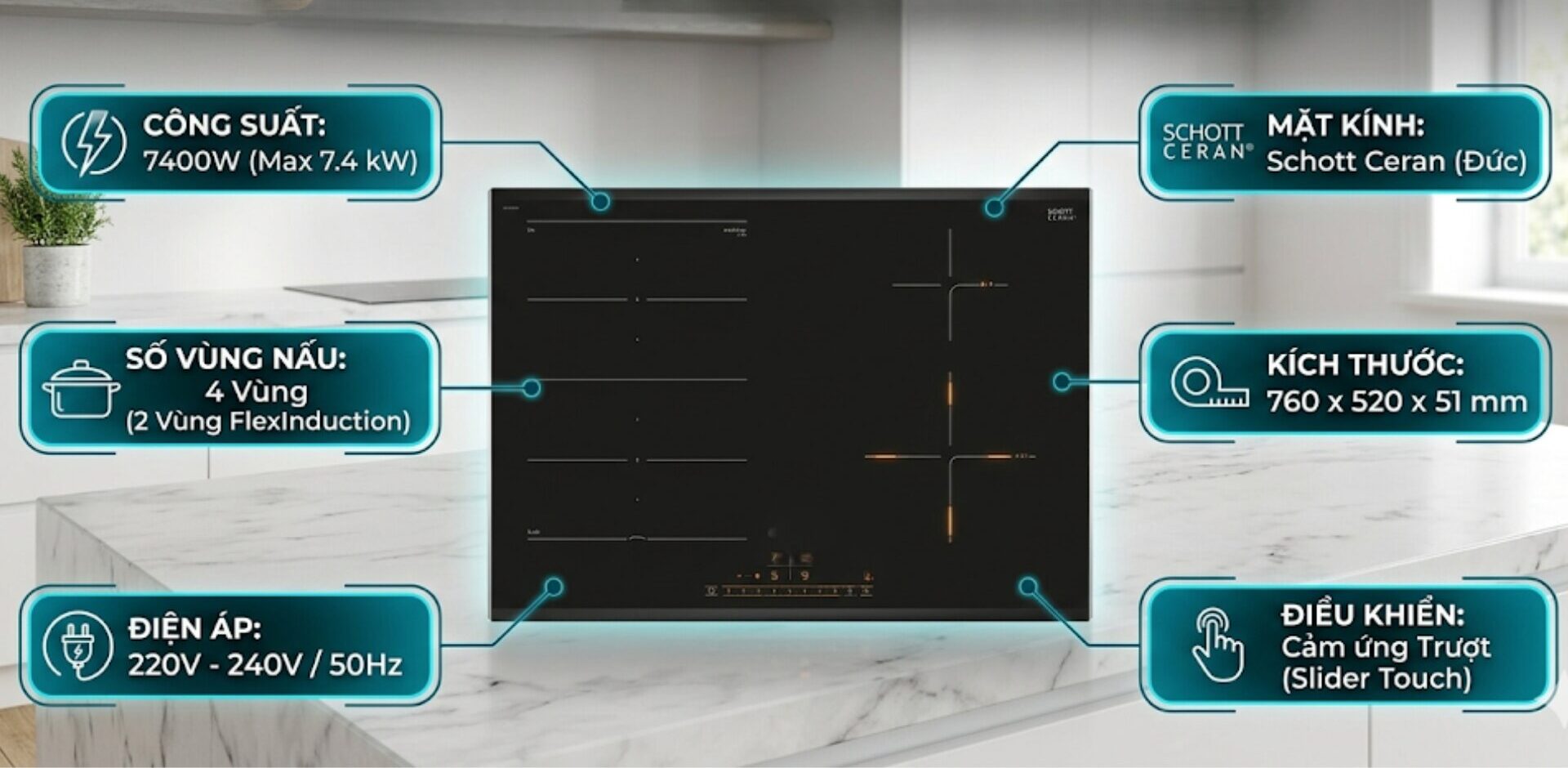
Does the induction cooktop require specific pots? is a common question for many families when using an induction cooktop for the first time, especially when they notice that the cooktop does not heat up even though the pot is placed in the correct position. Understanding the operating principle and criteria for selecting suitable pots not only helps you cook more effectively but also protects the device for long-lasting use. Let’s explore the details in the article below.
Does the induction cooktop require specific pots?
Induction cooktops are very particular about the pots used. Induction cooktops operate based on the phenomenon of electromagnetic induction: the copper coil beneath the glass surface creates a fluctuating magnetic field, which passes through the glass and directly affects the bottom of the pot, generating an induced current (Foucault current) within the metal. This current heats the bottom of the pot from the inside, rather than transferring heat from the surface like gas or infrared cooktops.
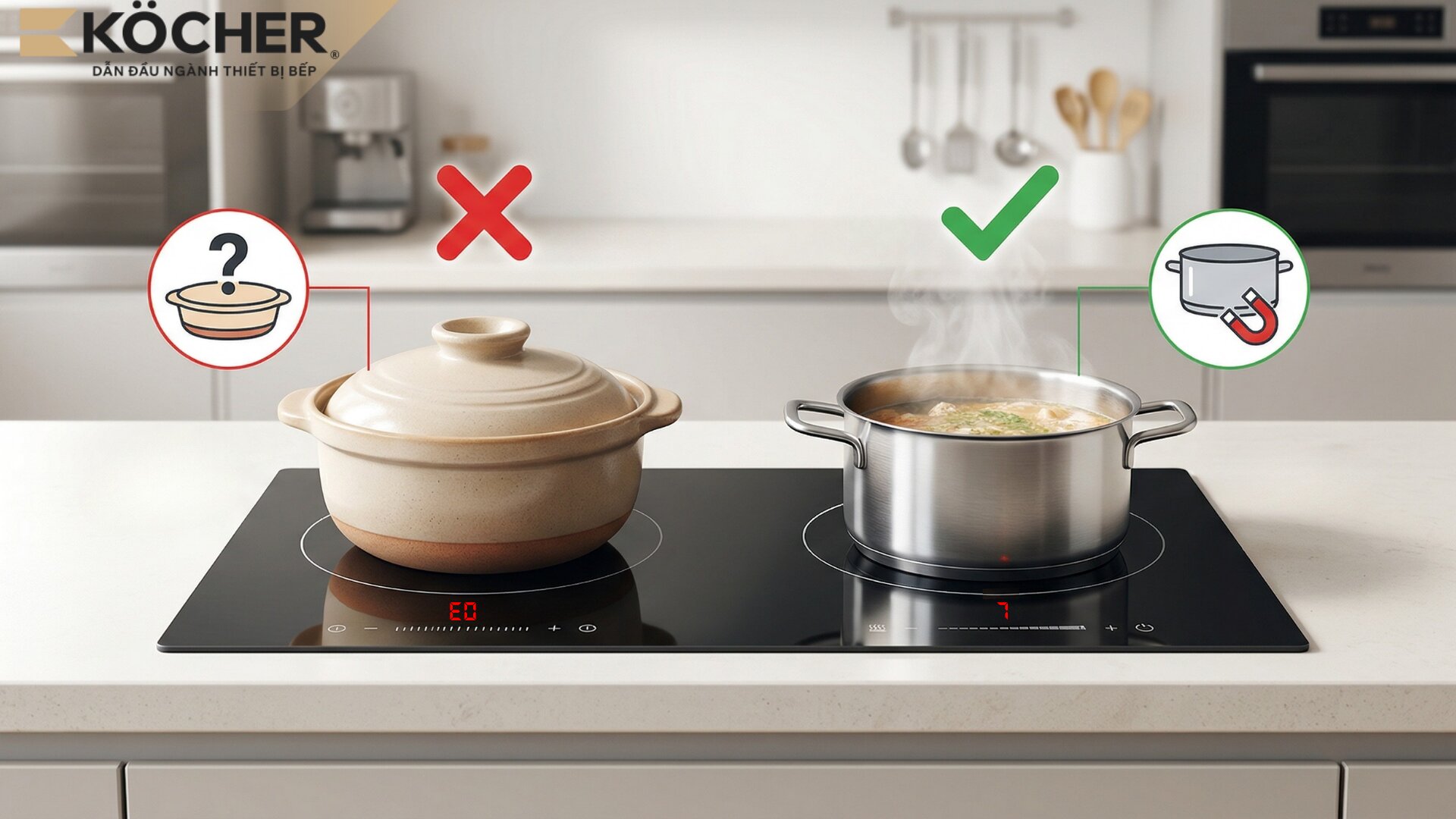
Therefore, the bottom of the pot must have magnetic properties for the magnetic field to generate an induced current to produce heat. Pots that do not have these properties will not be recognized by the cooktop, causing it to emit a warning sound or display an E0 error code.

Types of pots suitable for induction cooktops
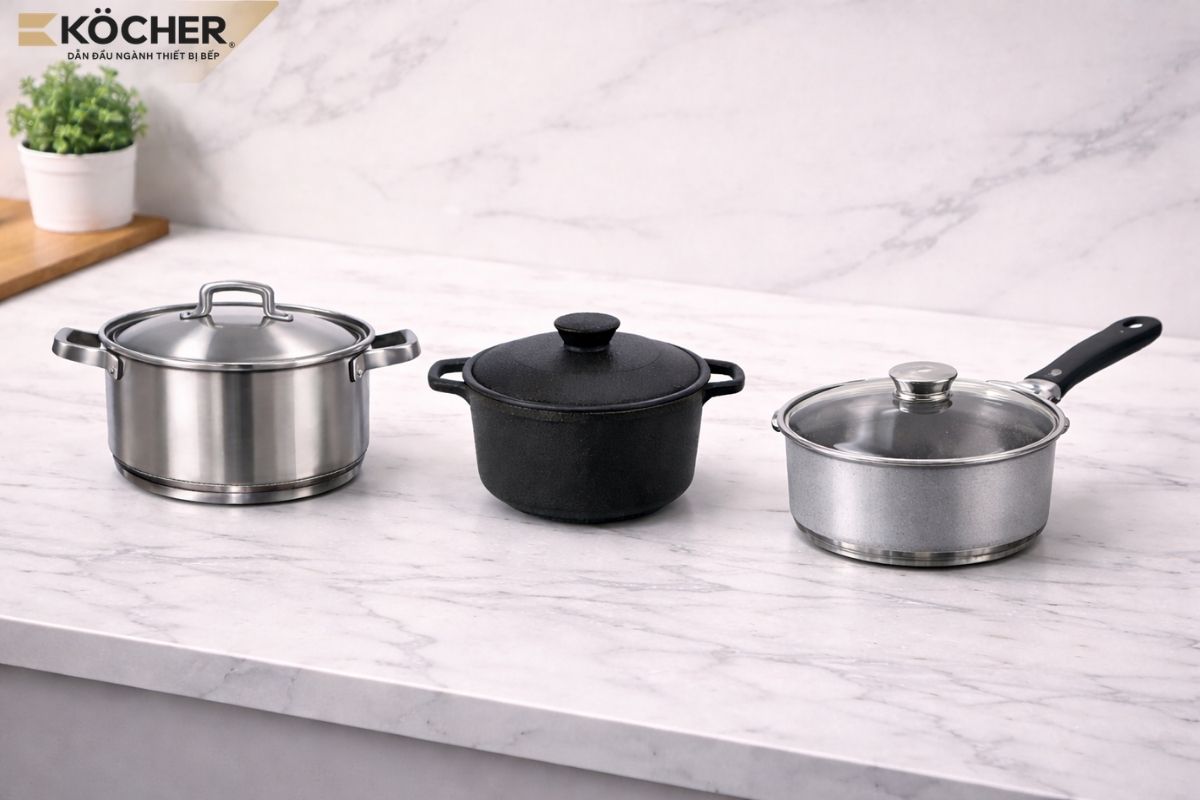
Based on the principle of electromagnetic induction, materials with high magnetic conductivity such as stainless steel and cast iron are considered the optimal choices. Specifically:
- Stainless steel pots: This is the most common material due to its low price, high durability, and easy availability. Since stainless steel has the drawback of localized heat transfer that can cause burning, you should choose pots with 3 – 5 layers that have an aluminum or copper core to evenly distribute heat across the surface, with the outermost layer in contact with the glass being stainless steel 430 (which is magnetic) to absorb heat.
- Cast iron pots: With a high iron content, cast iron has strong natural magnetism, allowing for quick heat generation and even heat distribution, creating a natural non-stick layer and being very durable over time. However, cast iron pots are very heavy, making cooking difficult. The rough surface of cast iron can scratch the smooth glass surface of the induction cooktop and requires careful maintenance (frequent oiling) to prevent rust.
- Aluminum alloy pots with magnetic base: These are aluminum pots that have an additional stainless steel base stamped under the bottom of the pot. The stainless steel base will receive the magnetic field from the cooktop and transfer heat to the aluminum body. This type of pot is lightweight, heats up quickly, and conducts heat very efficiently.
Types of pots not suitable for induction cooktops
Some common materials in household kitchens are completely incompatible with induction cooktops due to their lack of magnetic properties:
- Pure aluminum pots: Aluminum is a non-magnetic metal, and the cooktop’s magnetic field cannot generate an induced current at the bottom of the pot. The pot will not be recognized by the cooktop and cannot heat up.
- Clay pots (ceramic pots): Ceramics and porcelain are non-metallic materials that have no magnetic properties. Additionally, the bottoms of clay pots are often not flat, which can easily scratch the cooktop’s glass surface.
- Glass pots: Similar to clay pots, glass has no magnetic properties and does not conduct electricity, so it cannot generate heat when placed on an induction cooktop.
- Pure copper pots: Copper is non-magnetic and has very low resistivity, making it difficult for the cooktop to recognize the pot and resulting in very poor heat generation.
| Temporary solution for incompatible pots: If you want to use them, users often have to use an additional heat transfer plate (magnetic plate). However, this is only a temporary solution as it reduces cooking efficiency, causes the glass surface to heat up, and consumes more electricity compared to using the correct pot. |
4 ways to check if a pot is suitable for induction cooktops
To accurately determine whether a pot is compatible with an induction cooktop, you can apply the following simple physical testing methods.
- Use a magnet and apply it directly to the bottom of the pot. If the magnet sticks tightly, then the material has good magnetic properties and can be used on induction cooktops.
- Turn the pot upside down and look for the following symbols: a horizontal coil, the word “INDUCTION”, a spiral symbol, or a coil inside a square.
- Pots compatible with induction cooktops often clearly state phrases such as “Induction Ready”, “Induction Compatible”, or “Magnetic” on the packaging. Some imported products even come with European quality certification.
- Place a pot containing a little water on the cooking zone and turn on the cooktop at a low power setting. If the display shows the power level and the water gradually warms up, it means the cooktop has recognized the pot, and the pot is compatible. Note that when testing water on the control panel, you need to dry your hands and the cooktop surface to avoid water residue that may cause the touch system to operate inaccurately or mistakenly think of malfunctioning induction cooktop during operation.
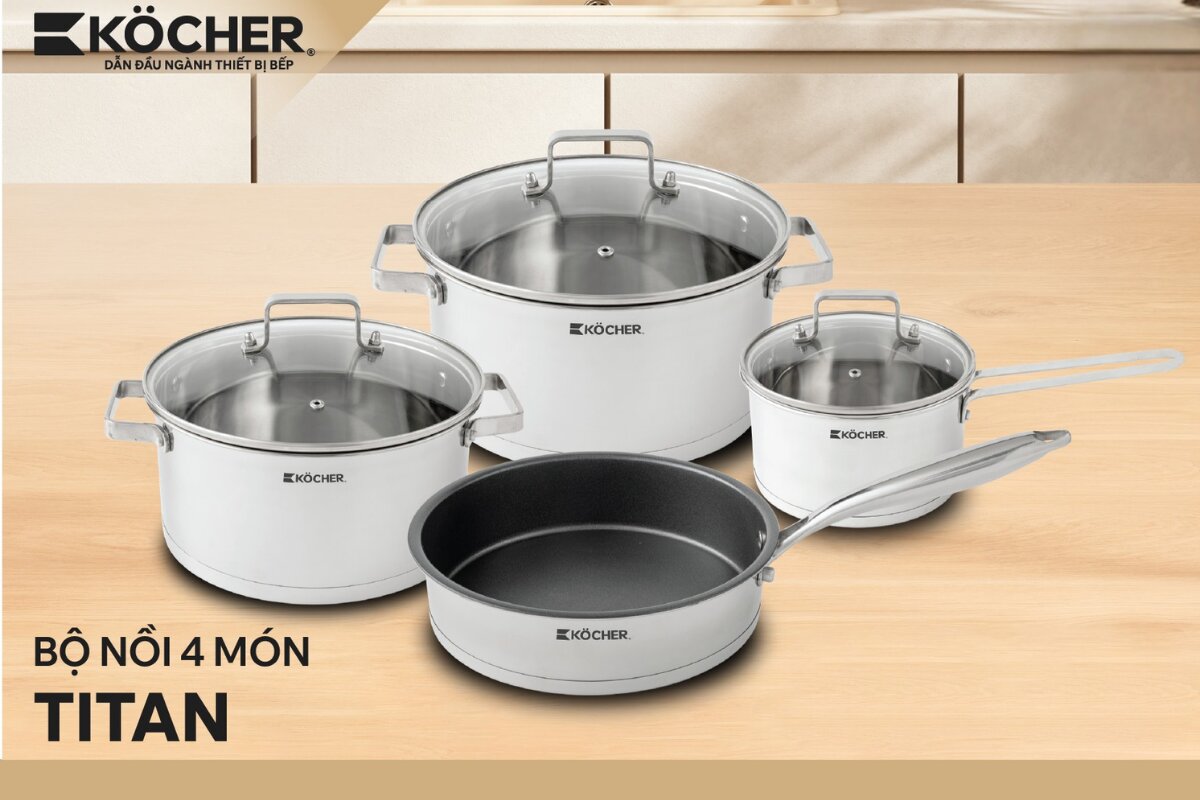
To learn how to check if a pot is suitable for induction cooktops, you can refer to the article What pots can be used on induction cooktops? 4 ways to identify the right pots for induction cooktops.
TOP 5 considerations when choosing pots for induction cooktops
In addition to the magnetic properties of the pot’s bottom, when choosing pots for induction cooktops, you need to pay attention to the following factors to ensure cooking efficiency and the durability of the device:
- Flat bottom design: The bottom of the pot must be flat and smooth to maximize contact with the cooktop’s glass surface. A bottom that is bulging, dented, or warped will reduce the contact area, cause heat loss, and may even lead to cooktop errors.
- Bottom thickness: Prioritize pots with a thickness of 3 – 5 layers. A thick bottom helps distribute heat more evenly, reduces the risk of burning food at the bottom, and decreases localized heat pressure on the cooktop’s glass surface.
- Size suitable for the cooking zone: Choose pots with a bottom diameter ranging from 10cm to 32cm, corresponding to the cooktop’s heating area size. Pots that are too small or too large compared to the cooking zone will reduce efficiency and waste electricity.
- Standard bottom material: Prefer pots with a bottom made of stainless steel 430, cast iron, or multi-layer magnetic bases.
- Reputable brand: Choose pots from well-known brands to ensure the material is as advertised, safe for health, and that the pot’s bottom is durable enough for high-temperature use over extended periods.
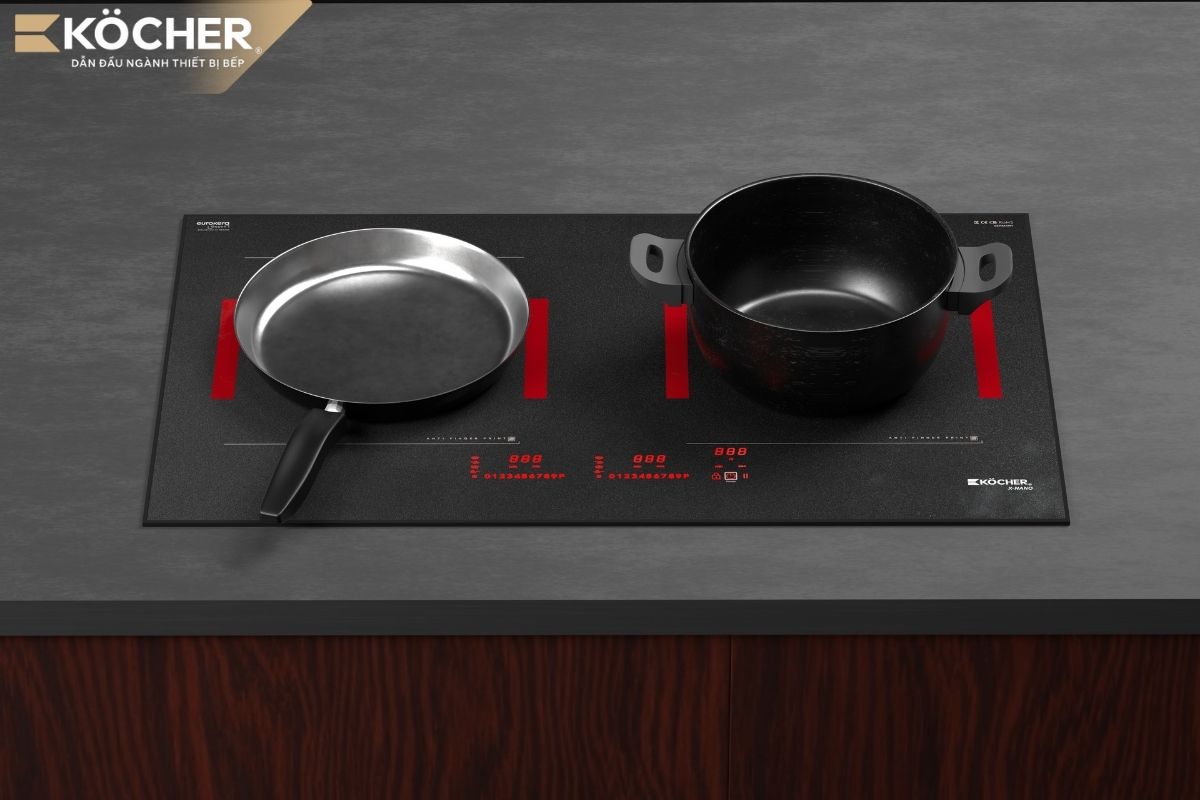 You should choose pots that are the right size for the cooking zone.
We hope this article has helped you clarify the question does the induction cooktop require specific pots and understand the important criteria for selecting suitable pots. Using the correct type of pot not only enhances the meal but also protects the glass surface and internal components of the cooktop, extending the device’s lifespan. In case cooking at high temperatures accidentally causes food to spill and stick hard, you should proactively learn about how to handle a burned induction cooktop using specialized cleaning solutions to keep the cooktop surface shiny and like new.
With a pure copper cooking plate that has a highly sensitive pot detection capability and optimizes cooking efficiency, the E.G.O components system made in Germany and the X-Nano scratch-resistant glass from France, Köcher proudly offers a durable and cost-effective cooking solution for your family.
|
Köcher induction cooktops pioneer German technology – For detailed product information, please contact:
|