Many users are concerned about whether induction cooktops get hot during use, especially in the summer or in families with small children. In fact, induction cooktops do get hot, but their heating mechanism is completely different from gas or infrared cooktops. Understanding the hot and cool zones and how to handle overheating will help you optimize cooking performance and extend the lifespan of the appliance during use.
How induction cooktops work
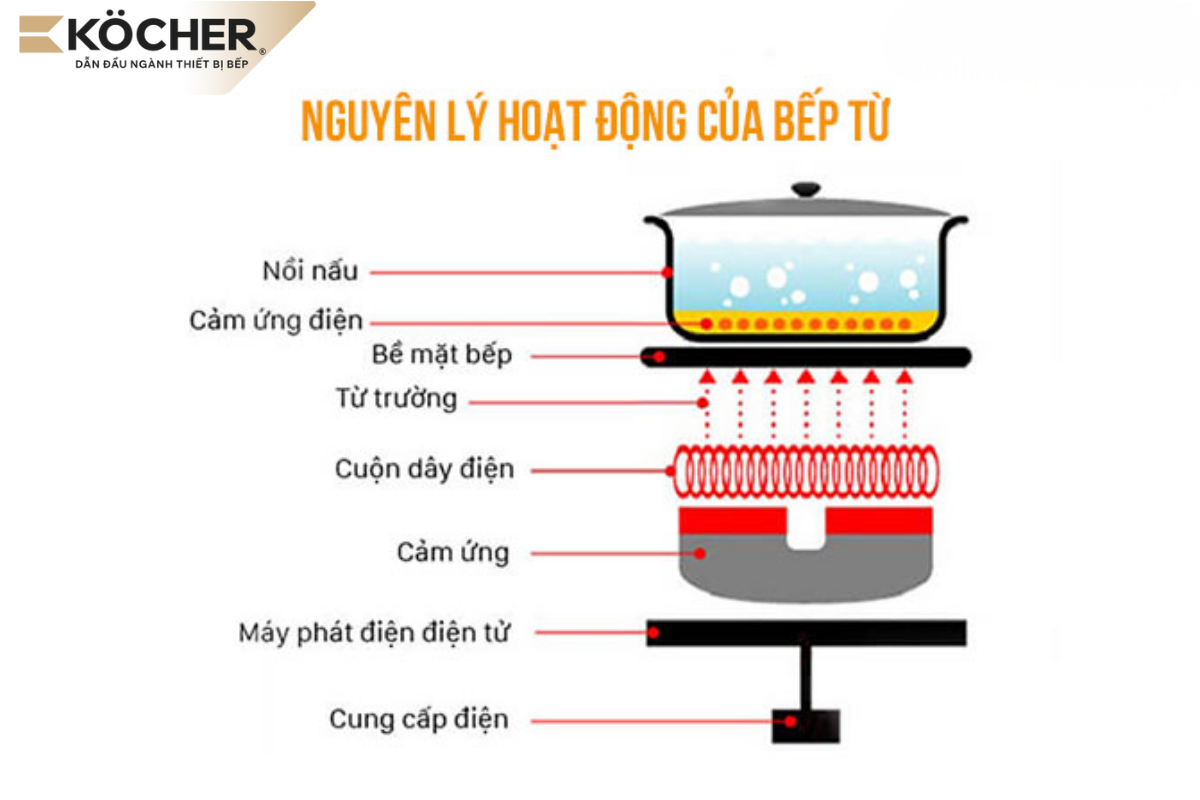
Unlike gas cooktops (which use an open flame) or infrared cooktops (which use heated coils to warm the glass surface), induction cooktops operate based on the principle of electromagnetic induction.
When electric current passes through a copper coil (induction coil) placed under the glass surface, it creates a fluctuating magnetic field. This magnetic field penetrates the glass surface and interacts with ferromagnetic molecules at the bottom of the pot, generating eddy currents. These currents cause the molecules at the bottom of the pot to vibrate extremely quickly, generating thermal energy to cook the food.
Since it does not heat the surrounding air, the efficiency of induction cooktops reaches up to 90%. You can comfortably turn on the fan while cooking without worrying about flames or energy wastage, keeping the kitchen space pleasant even on hot summer days.
Do induction cooktops get hot?
The surface of the induction cooktop operates on the principle of direct heat transfer to the bottom of the pot, so most of the heat is concentrated at the bottom of the pot and does not radiate outward. Therefore, during cooking, the induction cooktop remains hot at the bottom of the pot, the glass surface in the cooking area, and slightly warm in the surrounding area.
However, it is important to note that the induction cooktop DOES NOT generate heat by itself. When you turn on the cooktop without placing a pot, the glass surface remains cool even if you set the power level to maximum. The temperature you feel on the glass surface is actually “residual heat” transferred from the bottom of the pot back after a cooking process.
- Cooking zone (where the pot is placed): Heats up due to heat from the bottom of the pot, can reach 30 – 40 degrees Celsius when cooking for a long time.
- Surrounding surface: Not hot or only slightly warm, can be touched.
- Bottom of the pot: This is where the highest concentration of heat is to cook the food, so it should not be touched.
- After cooking: the cooktop cools down quickly, not causing severe burns if accidentally touched. Most induction cooktops are made of Schott Ceran glass, which has strong heat resistance, allowing the glass surface to cool down very quickly.

Why does the induction cooktop get hot on the glass surface?
If the cooktop does not heat itself, why can the glass surface still cause burns if touched immediately after cooking? In fact, this is a phenomenon of “backward heat transfer.” When you place a pot with a ferromagnetic bottom on an already turned-on induction cooktop, the magnetic field affects the metal at the bottom of the pot, causing the bottom of the pot to generate heat and become hot, potentially reaching several hundred degrees Celsius. After a while, heat from the bottom of the pot transfers to the glass surface, heating up the cooking area.
Imagine pouring boiling water into a glass cup. The cup itself cannot generate heat, but the hot water has transferred heat to the cup, making it warm as well. Please refer to the detailed specifications of the product if you want to learn more about the temperature of induction cooktops in various cooking situations to ensure safety.

6 causes of induction cooktop overheating and how to fix them
Although induction cooktops are very smart, in some cases they can overheat, leading to circuit interruption or error messages. Here are the common causes:
Cooking at high power (Booster) for too long causing E1, E5 errors
The Booster mode is designed to increase power for a short time, helping to heat the pot quickly. When used continuously at this level, the amount of heat generated in the induction coil and circuit board increases rapidly, exceeding the cooktop’s cooling capacity. To protect the components, the cooktop will automatically turn off and display E1 or E5 errors.
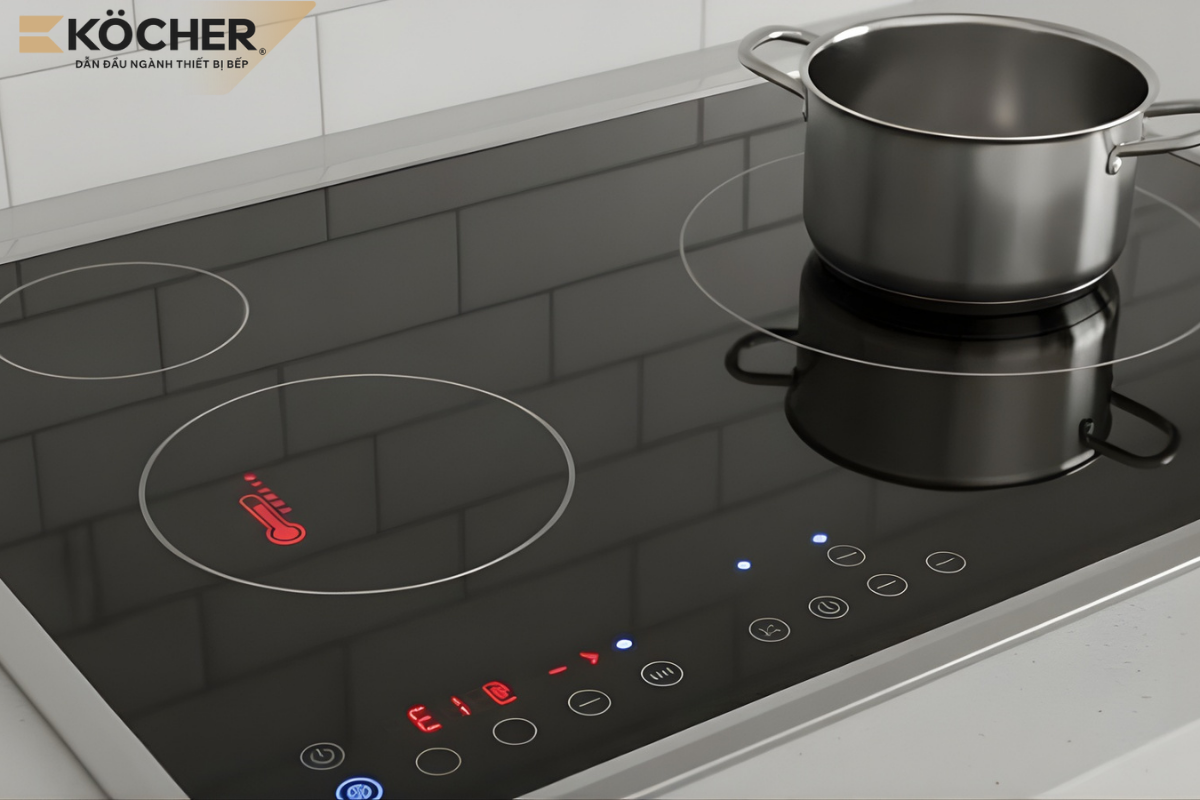
You should only use the Booster mode in the initial stage to boil or heat quickly, then lower it to an appropriate power level. When the cooktop displays an error, turn it off, remove the pot or pan from the cooking zone, and wait for the cooling fan to stop completely before turning it back on. The cooling fan operates with a soft whirring sound; wait until you no longer hear the sound, which means the fan has stopped.
Refer to the article: Can induction cooktops grill?
Temperature sensor malfunction causing E6 error
The temperature sensor is responsible for monitoring the temperature of the induction coil and circuit board throughout the cooking process. When this component malfunctions, the cooktop can no longer accurately control the temperature, leading to an E6 error.
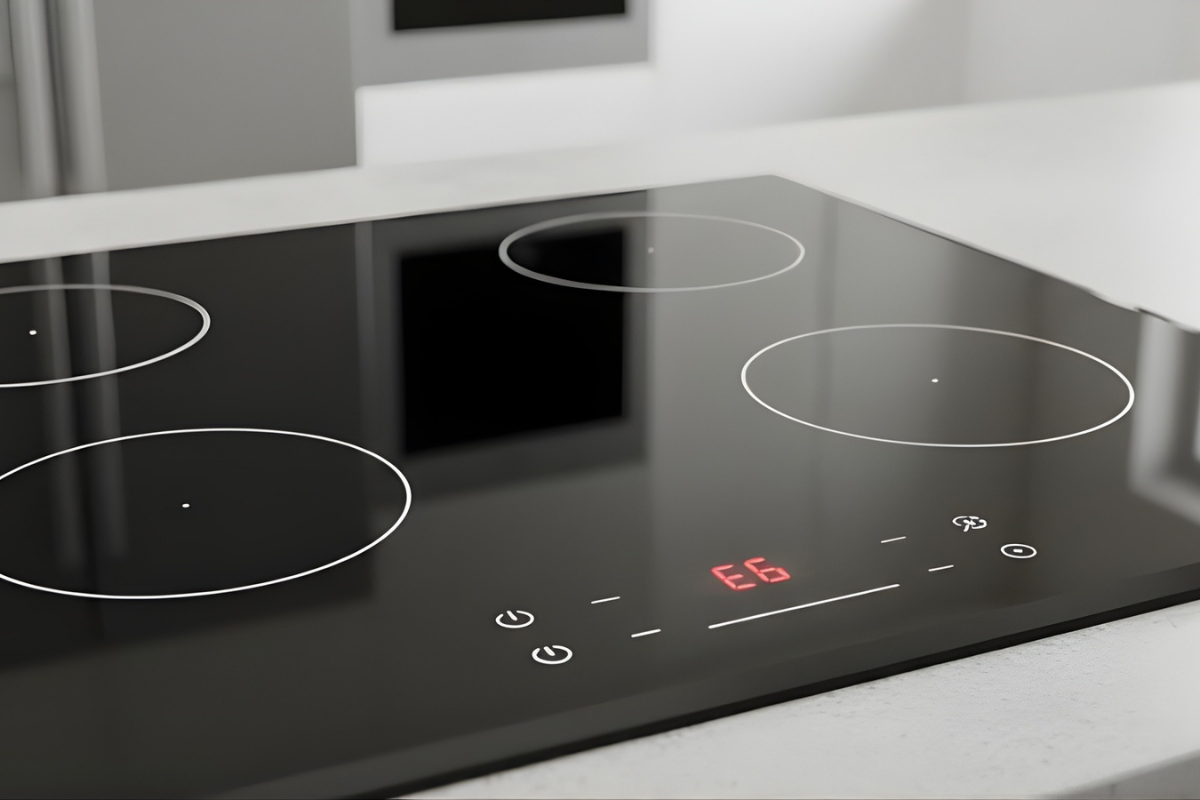
At this point, you should turn off the cooktop, remove the cooking utensils from the cooktop, do not turn off the power supply to allow the ventilation fan to work, and wait for the cooktop to cool down completely before using it normally. If the cooktop still displays the E6 error, the temperature sensor may be damaged, and you should contact a technician for inspection.
Insufficient ventilation space during installation
Induction cooktops require open space around and underneath so that the heat generated during operation can escape effectively. Designing the ventilation system is crucial; so what is the actual structure of the induction cooktop’s cooling system? The answer is yes, but it largely depends on the user’s installation method. If the cooktop is installed too close to the cabinet, without creating an open space at the bottom or ensuring distance from other surfaces, heat will accumulate and easily cause overheating, affecting the performance and lifespan of the appliance.
According to Köcher’s standard induction cooktop installation guide:
- The distance from the bottom of the cooktop to the partition below (ventilation space) should have a gap of at least 15cm so that hot air underneath can escape, helping the fan and cooling system operate effectively.
- The distance from the cooktop surface to the kitchen cabinet or hood should be maintained at about 65cm to avoid heat accumulation above and ensure a safe cooking space.
- The inner and outer edges of the countertop to the cooktop’s edge should also maintain a distance of about 15cm to protect the countertop and ensure airflow around the cooktop.
In this case, you need to stop using the cooktop at high power and immediately check the space underneath and behind the cooktop. If the bottom of the cooktop is covered by a wooden panel, drawer, or cabinet wall, you need to create additional ventilation gaps for hot air to escape.
If you cannot handle it yourself, you should contact the installation unit or a professional technician to adjust the cabinet structure according to the cooling standards. Early remediation helps the cooktop maintain stable cooling, avoid repeated overheating errors, and protect internal components in the long run. Although this is a technical error, you can prevent it from the very beginning by paying attention to the tips when buying an induction cooktop to choose a product with good cooling design.

Ventilation outlet blocked by obstacles
The cooling fan will push the hot air generated when using the induction cooktop out through the ventilation outlet located at the bottom of the cooktop or the area behind the cooktop body. When these positions are blocked by placing the cooktop too close to the cabinet wall, covering the bottom of the cooktop with a wooden panel, or placing items close to the ventilation outlet, hot air cannot escape, causing heat to accumulate quickly inside the cooktop. At this point, even though the fan is still operating, the cooling efficiency is almost zero, leading to overheating and automatic protection shutdown.
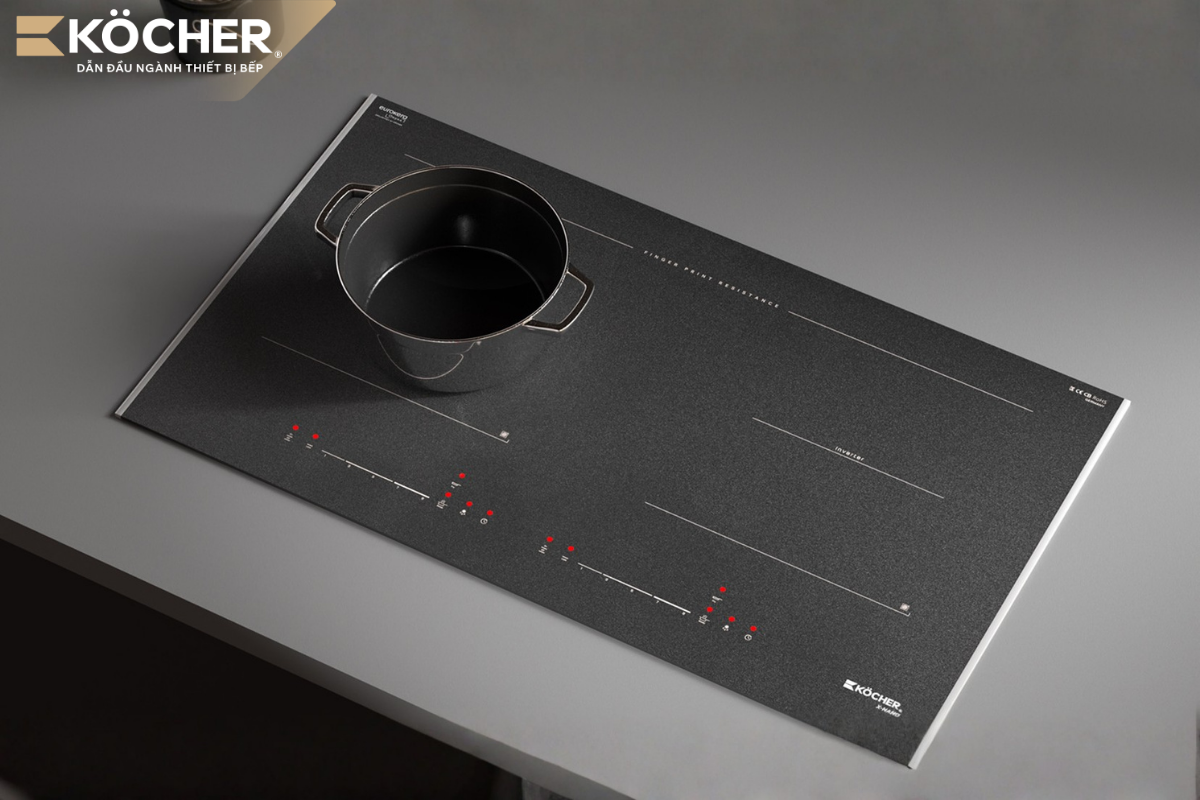
In this case, you need to clear all obstacles in the area underneath and behind the cooktop, ensuring the ventilation outlet is always unobstructed. Do not place utensils, towels, or blocking objects close to the cooktop body. If the ventilation outlet is blocked due to cabinet design, adjustments or additional ventilation gaps need to be made to allow hot air to escape easily, helping the cooktop operate stably and safely.
Cooling fan malfunction or blockage
The cooling fan is located in a sealed compartment of the cooktop, responsible for drawing in cool air and pushing hot air out. After prolonged operation, the fan may degrade, spin weakly, get stuck, or the motor may fail, significantly reducing its cooling capability. When heat is not released in time, the cooktop will quickly enter an overheating state.
In this case, you need to cut off the power supply and stop using the cooktop immediately. Do not attempt to disassemble the cooktop as the fan is directly related to the circuit board. Please contact a technician to inspect and replace the cooling fan, helping the cooktop restore its cooling capability and operate stably in the long term.
Low-quality pots and pans, poor magnetic induction
Pots and pans with thin bottoms, poor magnetic materials, or uneven bottoms cause the magnetic field to operate unstably. The cooktop has to work at a higher intensity to maintain heat, leading to the induction coil and internal components heating up quickly, easily causing overheating and automatic protection shutdown.
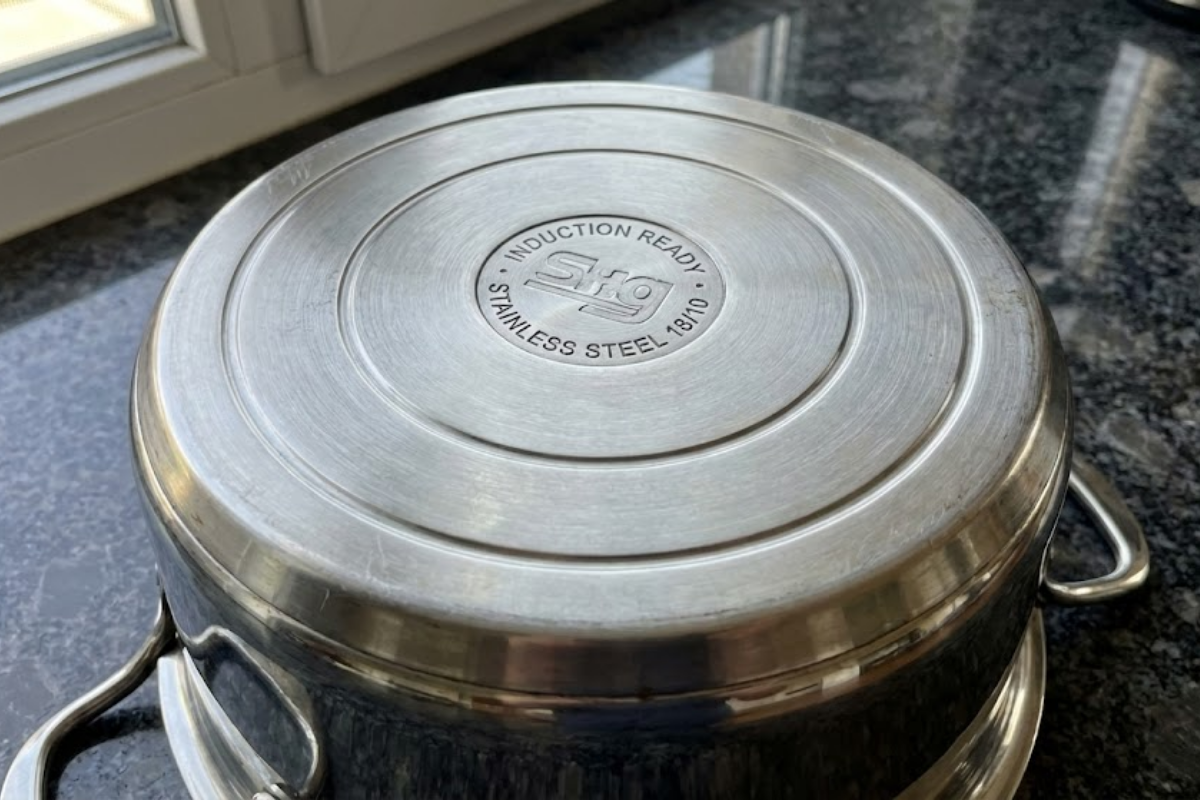
To remedy this, you need to turn off the cooktop and wait for it to cool completely, then replace it with another pot or pan that meets the induction cooktop standards, with a good magnetic bottom, thick and flat. Using the correct pots and pans helps the cooktop heat more steadily, reduces the load on the induction coil, and minimizes the risk of overheating during cooking.
In addition to understanding the causes of overheating errors mentioned above, users should also proactively equip themselves with accurate operational knowledge for daily use. In fact, the durability and performance of the circuit board or induction coil greatly depend on the habits of the cook. To help the appliance operate stably, avoid unfortunate malfunctions, and optimize energy efficiency, you should pay attention to the manufacturer’s instructions. Let’s go through the important tips for using induction cooktops below to ensure absolute safety for your family.
5 tips to ensure safety when using induction cooktops
To ensure the cooktop operates stably, durably, safely, and avoids overheating, you need to adhere to some important principles during use:
- Absolutely do not touch the cooking zone when the residual heat indicator light “H” (Hot) is still on: The glass surface is still at a high temperature, touching it can cause burns.
- Do not unplug or turn off the circuit breaker immediately after turning off the cooktop: You should wait about 10 to 15 minutes for the cooling fan to finish running and completely cool the circuit board, electrical circuit, and induction coil. The hotter the glass surface and internal components, the longer the fan will run; waiting for enough time helps minimize component damage.
- Do not use a cold cloth to wipe the cooktop when the glass surface is still hot: When the glass surface is at a high temperature and comes into contact with water or a cold cloth, the sudden temperature difference will cause thermal shock. This causes the glass to expand unevenly, which can lead to spider cracks or sudden breakage over time.
- Do not place magnetic objects (knives, forks, spoons) or electronic devices (phones, credit cards) on the cooktop surface: Magnetic metal objects can be unintentionally heated by the induction coil, causing burns when touched. With electronic devices like phones or credit cards, the magnetic field and residual heat can damage components or lose data.
- Immediately stop using and turn off the main power if you notice the glass surface is cracked or broken: Water and moisture can seep down to the circuit board below through the cracks, easily causing short circuits, electric leakage, or electric shock, especially dangerous when the cooktop is connected to the power supply.
 Do not place your phone near or on the induction cooktop.
Above is the answer to the question “do induction cooktops get hot”, clarifying the heat generation principle, how to identify hot and cool zones, 6 causes and remedies for induction cooktop overheating. We hope this article can provide you with useful information to help you use induction cooktops safely.
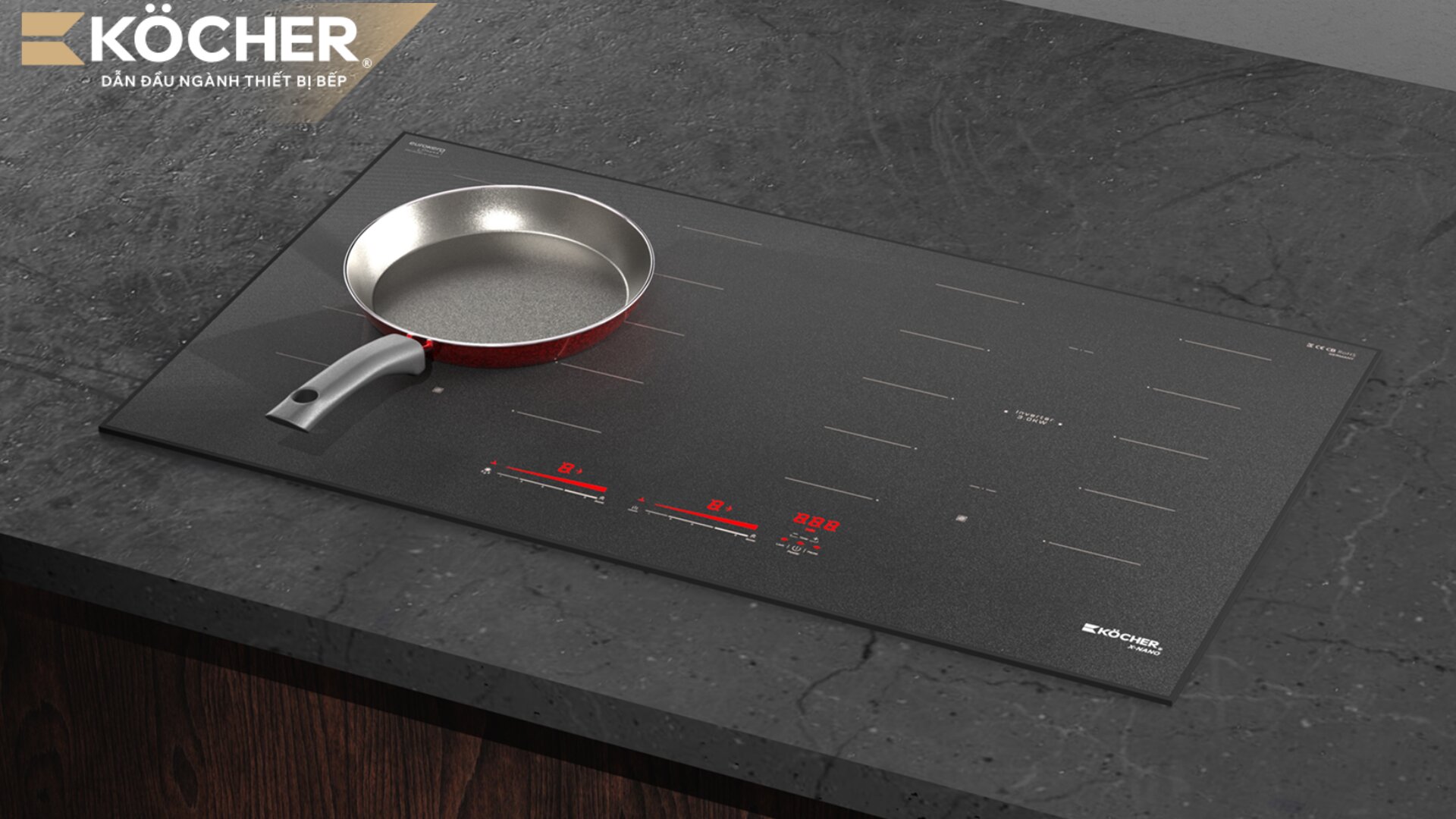
If you are looking for a high-end induction cooktop, the X-Nano series of Köcher using X-Nano glass developed exclusively by EuroKera France is a worthy consideration. Köcher induction cooktops stand out with their intelligent overheating protection and clear residual heat warnings in the cooking area, providing safety and peace of mind throughout the cooking process.
|
Köcher induction cooktops pioneer German technology – For detailed product information, please contact:
|