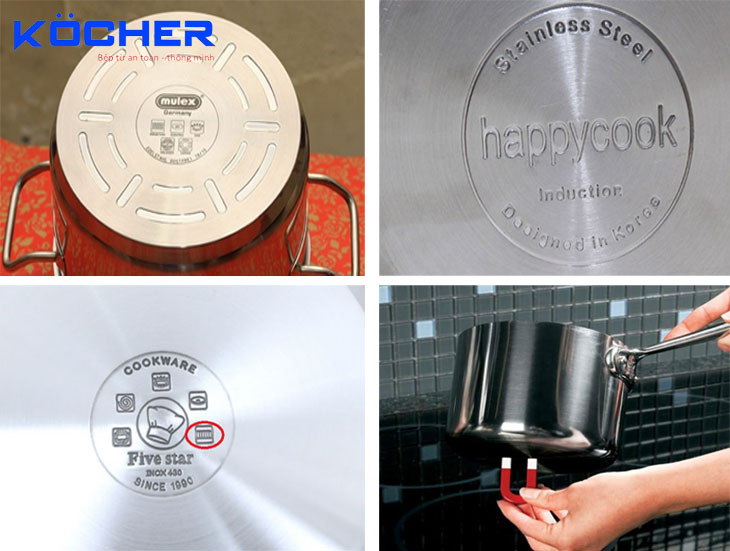
Incompatible pots and pans
The induction cooktop only works when the cooking utensils have a magnetic base. Therefore, if you use pots, pans,… with a base that has low magnetism or poor magnetism, or if the pot’s base structure hinders interaction, it will take a long time for the cooktop to transfer heat. This makes the process of heating the pot take a lot of time.
Solution: Replace with a good, flat magnetic base cooking set.

- The induction cooktop receiving poor pots causes uneven boiling, taking a long time to boil
Cooktop power on low/high heat settings
Make sure you have increased the temperature appropriately when cooking. Cooking at a low temperature with a large amount of food will cause the induction cooktop to only heat at a slow rate, leading to long boiling times and undercooked food.
Another case is using high heat continuously, causing the induction cooktop to automatically activate the self-shutoff protection mode. This leads to your food boiling unevenly,
Solution: You should also check if you are using the correct cooking mode. Many smart induction cooktops allow you to select specific modes for simmering, stir-frying, stewing, frying, and boiling water. If you are boiling water but the cooktop is set to simmer mode, then it is certainly correct that the induction cooktop takes a long time to boil.
Due to unstable power connection
Unstable or too low voltage will not provide enough power for the induction cooktop, causing cooking to be interrupted or not reaching full capacity. On some modern cooktops, when the control system detects a significant drop in input voltage below a safe level, the LED screen on the control panel will immediately flash. The case of Induction cooktop showing “lo” is to warn of low voltage, the device will automatically reduce the power range to a minimum or temporarily stop heating to protect the circuit board, causing the food to boil intermittently.
Solution: Use a voltage stabilizer or avoid plugging it into the same outlet as high-power devices.
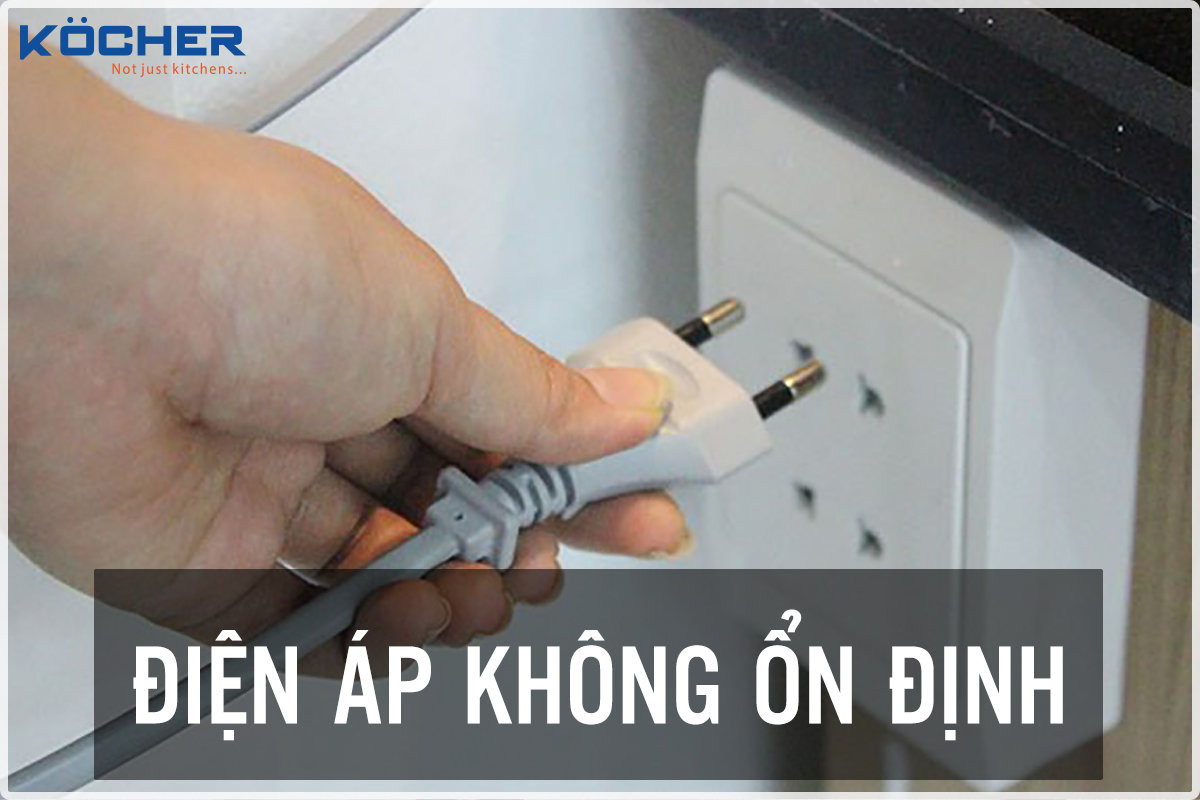
Unstable voltage causes power interruptions, long boiling times, or uneven boiling
Dirty cooktop surface or obstacles on the pot surface
The cooking area may be dirty with grease, food,… This is considered a foreign object or obstacle in the process of contact and heat transfer between the induction cooktop and the cooking utensils. Additionally, using heat transfer pads or induction transfer plates also causes the heat to be divided among multiple layers, so naturally, the amount of heat to boil food evenly and quickly has been significantly reduced.
Sensor or circuit board errors
A faulty or misaligned sensor or a defective coil can also cause the induction cooktop to operate unstably or heat unevenly on the cooking zone.
More seriously, when the driver control circuit or the power oscillation IC experiences a frequency deviation issue, the device will fall into a state of Induction cooktop not pulsing continuously. The high-frequency current transmitted to the coil is interrupted, causing the cooktop to emit a continuous “clicking” sound, and the thermal energy is not maintained evenly, making the food take a long time to boil.
Solution: Since this is a component error, you should take it to a warranty center or call a technician for the quickest repair.

- Sensor or circuit board error causing the induction cooktop to boil unevenly
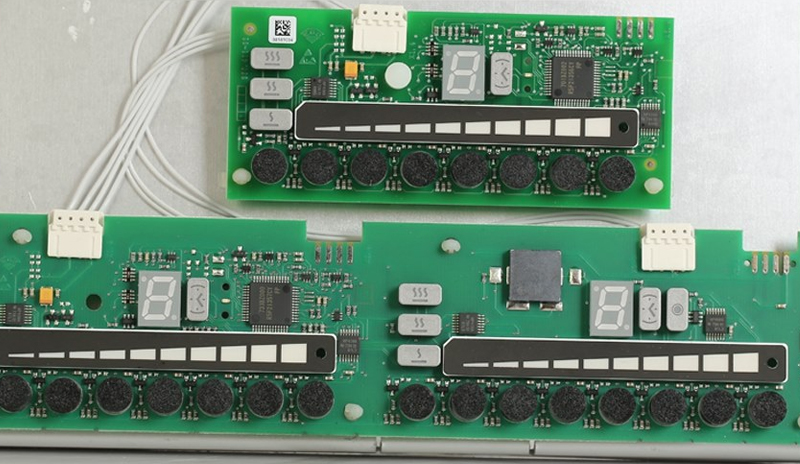
In addition to the intermittent heating error, if your device suddenly loses power, the display light does not turn on, and falls into a state of Induction cooktop not powering on even though the plug is still secure, this indicates that the protective fuse or power resistance has blown due to overload. At this point, proactively contacting a professional repair center is the optimal solution to restore safe operation for the cooktop.
Are you experiencing any of the causes that make the induction cooktop boil unevenly or take a long time to boil as mentioned above? Try the quick solutions above to continue cooking. Or if you are facing another cause, seek help from experts. Köcher is proud to be the pioneer in Vietnam bringing German technology into induction cooktop products.