What is Inverter?
Inverter (Variable frequency drive) converts low-voltage DC (Direct Current) into high-voltage AC (Alternating Current).
In a solar power system, an inverter can convert 12, 24, or 48 Volt DC into 120 or 240 Volt AC – like the standard power supply for household appliances.
There are many different types of inverters based on the shape of the converted waveform, with the most common being square wave, pure sine wave, and modified sine wave. They have different circuit configurations, efficiencies, advantages, and disadvantages.
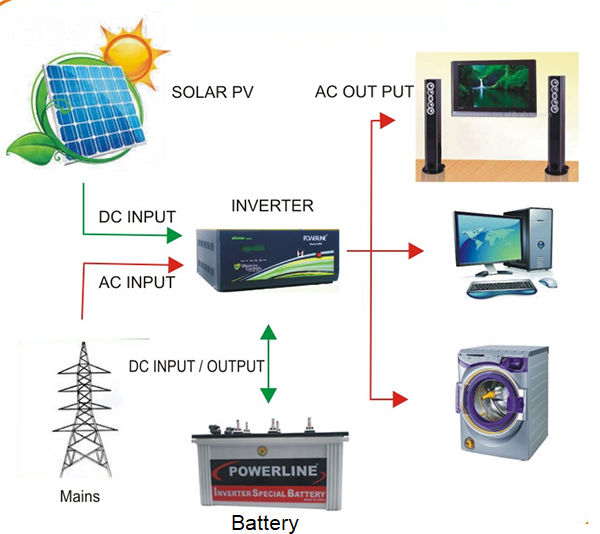
Inverters provide alternating current from DC power sources, which is very useful for powering electrical and electronic devices. Devices that require DC but must draw from AC power need an additional device called a rectifier, typically made from electronic components called diodes to convert AC to DC.
What is Inverter Technology?
Inverter technology is a temperature control technology that adjusts according to the natural changes in room temperature. When the desired temperature is reached, the inverter technology will automatically adjust its output to maintain the temperature, helping to operate more efficiently.
It can be simply understood that when the device needs more energy, Inverter technology will provide more energy; when it needs less energy, it will provide less energy. The inverter is always active, but consumes less or more energy depending on the air temperature and the set level in the thermostat. The speed and power of the compressor are adjusted accordingly.
Benefits of Inverter Technology
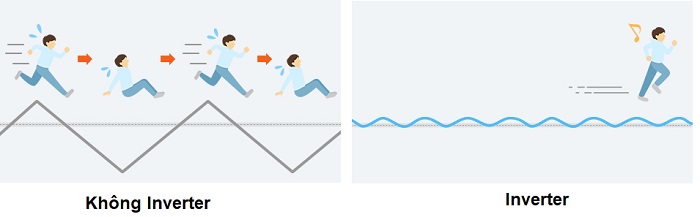
- Faster response to temperature changes
DC-AC inverters can change temperature faster than non-inverter devices because they do not operate at a fixed temperature but continuously adjust the temperature. Therefore, the rate of temperature change is faster.
- Efficient energy solution
Inverter technology is considered a class A solution when it comes to energy efficiency and economic operation. In an inverter model, cooling and heating are automated efficiently and seamlessly, while previous technologies consumed a lot of electricity.
- Significantly reduce operating costs (saving up to 50% compared to non-inverter systems)
Thanks to the operating method of Inverter technology, your device will not operate at full capacity all the time, thus helping you save costs on additional electricity units.
- Low noise level
Unlike other technologies, they do not automatically turn on/off each time a certain temperature is reached. Instead, this technology always operates at low power to continuously maintain and adjust the temperature. Therefore, it operates very quietly without causing much noise.
- Durable, long lifespan
Inverters use less energy, operate less, which means they wear out less. Therefore, they have a longer lifespan compared to other devices.
- Environmentally friendly
- Reduce the risk of electromagnetic interference with other devices
Applications of Inverter Technology
1. Inverter Induction Cookers
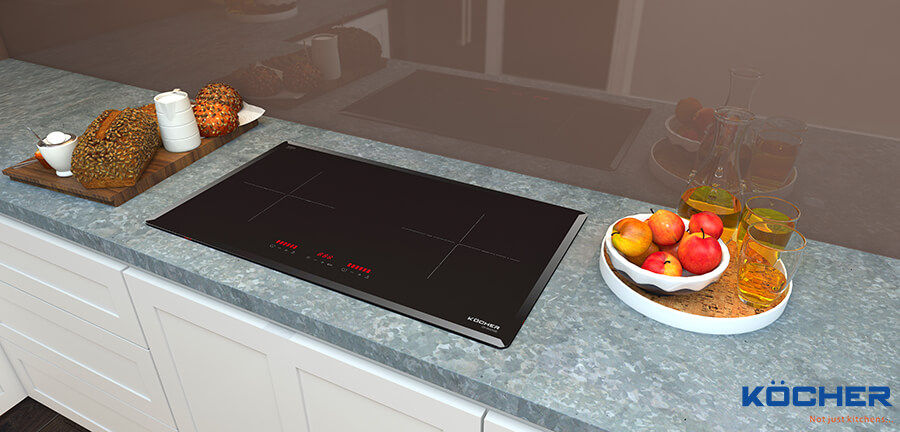
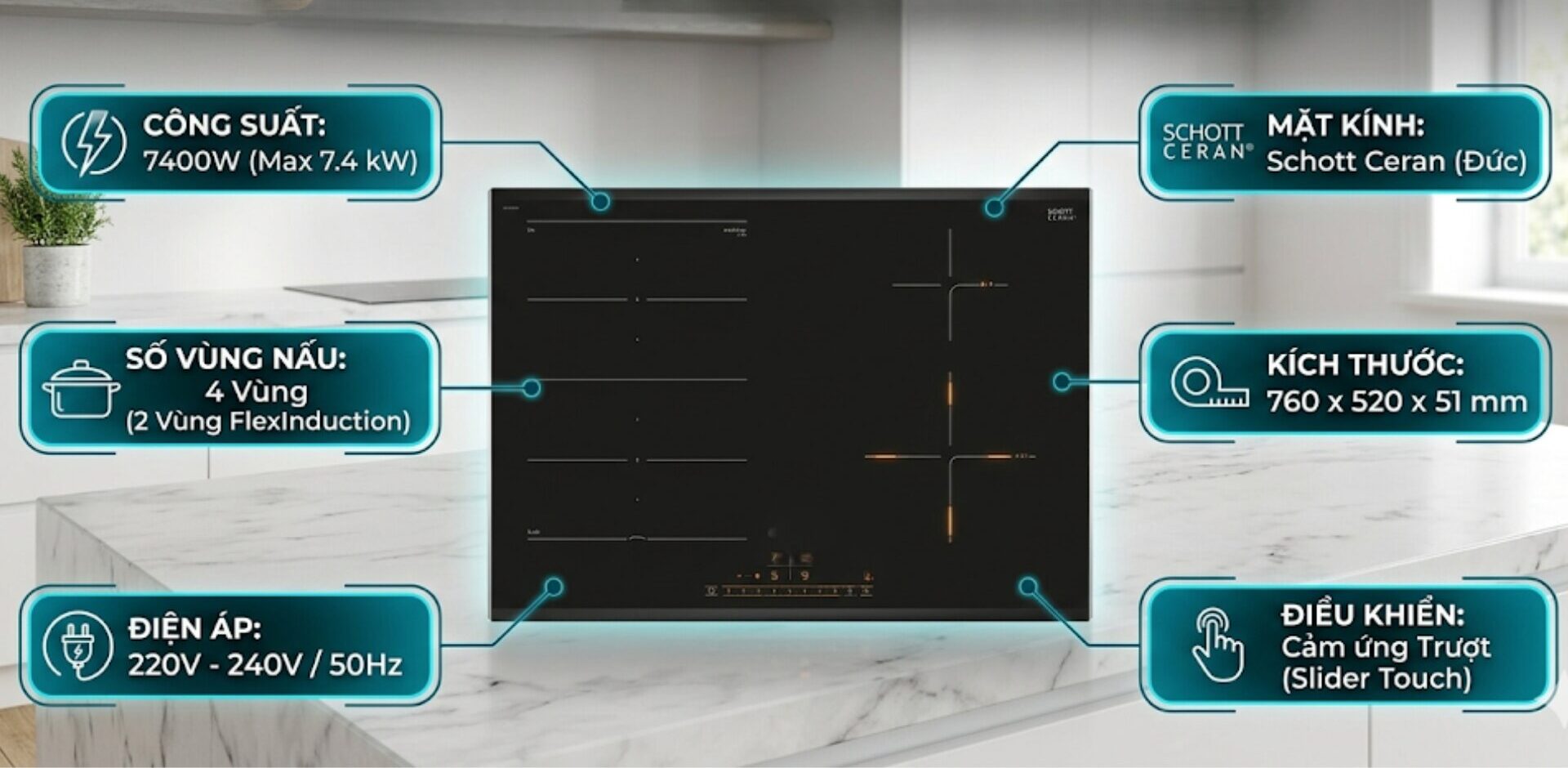
Induction cookers using Inverter technology are those that have a power circuit running steadily at the lowest level of power and maximize heat during cooking (unlike non-inverter induction cookers: when using low power levels, the cooker will continuously turn on and off: 2-3 seconds on, then 1 second off to create the corresponding heat level. This operation wastes both electrical and thermal energy.). This is what makes Inverter induction cookers more durable, more energy-efficient, and operate more effectively than non-inverter cookers.
To accurately identify inverter induction cookers when shopping, consumers often rely on the presence of continuous heating functions at low power levels. You may see some modern functions only available in imported German induction cookers, Spanish induction cookers, and high-end induction cookers with Inverter such as warming and defrosting functions, Booster function…
2. Air Conditioners
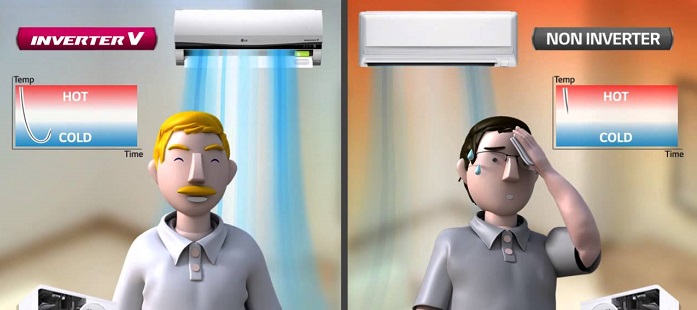
The most energy-consuming component in air conditioners is the compressor. Inverter technology in the compressor allows the use of brushless DC motors along with advanced electronics and sensors. This combination allows for smart energy control and speed according to immediate cooling demands. The sensors in the cooling compartment regularly measure humidity and temperature and adjust the compressor speed accordingly.
3. Washing Machines
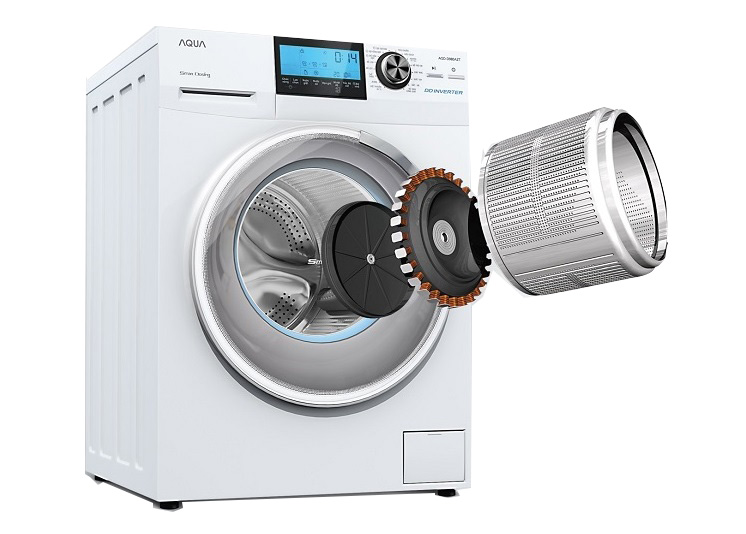
Inverter technology in washing machines is also known as direct drive technology. It replaces belts, pulleys, and motors with new brushless DC motors, directly attached to the drum’s rotation shaft. With this configuration, washing machines run much cooler, vibrate less, produce less noise, and use less energy compared to conventional washing machines.
Above are some useful information about Inverter and its applications in life. If you are unsure about which reputable brand to choose for your purchase, please check the list of good German induction cooker brands available today to make the optimal choice, ensuring maximum durability for the inverter circuit board components of the cooker. Köcher is proud to be the pioneer in Vietnam bringing German technology into induction cooker products.
We hope that through this article, you have understood what Inverter is, the benefits it brings, and chosen devices using Inverter technology to bring convenience to your home.