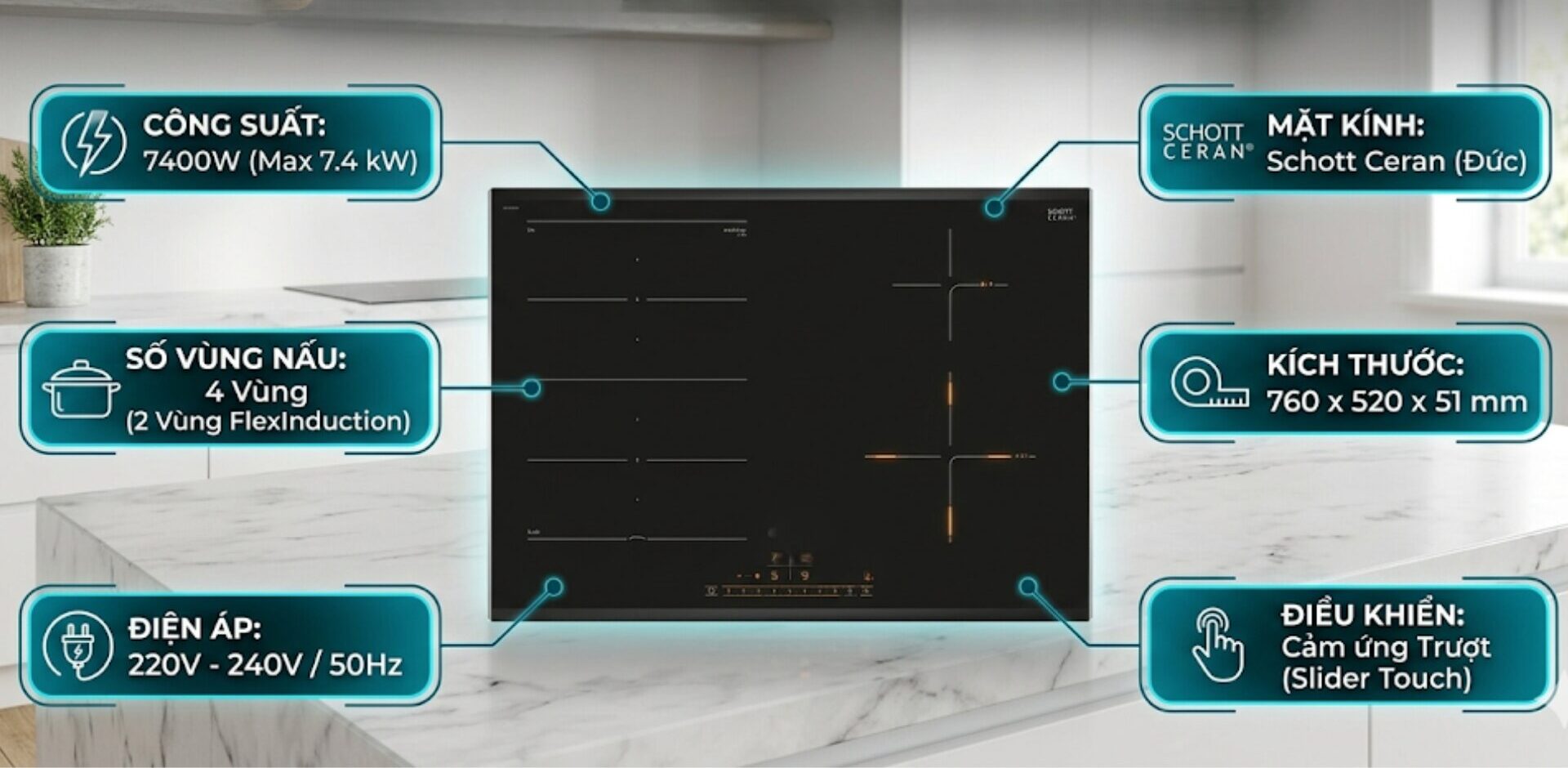
Many induction cookers have blown fuses due to electrical short circuits, due to small wires, or due to overloading the power source,… Are you unsure how to fix an induction cooker that has blown a fuse? Let’s find the right causes to safely repair the blown fuse of the induction cooker!
Causes of blown fuses in induction cookers
Causes of blown fuses in electrical appliances
A fuse is an electrical device that protects the circuit. However, if the fuse wire overheats, it can easily break, causing the fuse to burn or blow. A broken fuse wire serves to protect the coil for the entire electrical circuit or to best limit larger fire or explosion incidents in the household electrical system. Therefore, most electrical devices today are equipped with a fuse.
If you are worried about the danger of a blown fuse in your induction cooker, equip it with a circuit breaker and check out the Experience of choosing a circuit breaker for induction cookers here.
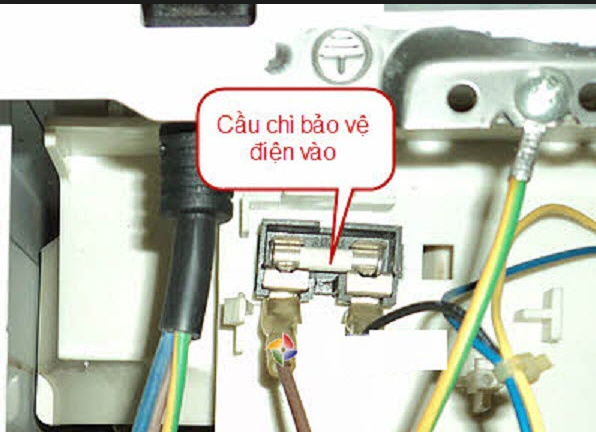
Position of the fuse in the induction cooker circuit
Blown fuses usually take the following forms:
-
A fuse wire burned and broken in the middle may be due to an overloaded current.
-
A fuse wire broken at the end of the coil may be due to a relatively large current passing through suddenly causing the wire to burn out.
-
A wire at both ends of the fuse burned out may be due to a surge current that is too large moving through the fuse wire.
Electrical appliances in the house have often blown fuses in the forms mentioned above. This situation occurs frequently and commonly due to the following main causes:
-
The current passing through the fuse wire is overloaded compared to the allowable rating
-
A short circuit phenomenon, or more simply, two wires touching each other. Usually, it is the two poles of the socket that are shorted or the two poles of the light bulb that are shorted.
-
Electrical appliances have too high efficiency, causing overload leading to blown fuses
-
When using too many electric cookers or electrical appliances at the same time. It is inevitable that the induction cooker will blow a fuse.
Causes of blown fuses in induction cookers
Typically, induction cookers that blow fuses are those that do not ensure the power supply efficiency compatible with your household’s power supply. Especially imported induction cookers from abroad. Why is that? Is it because imported induction cookers are of poor quality?
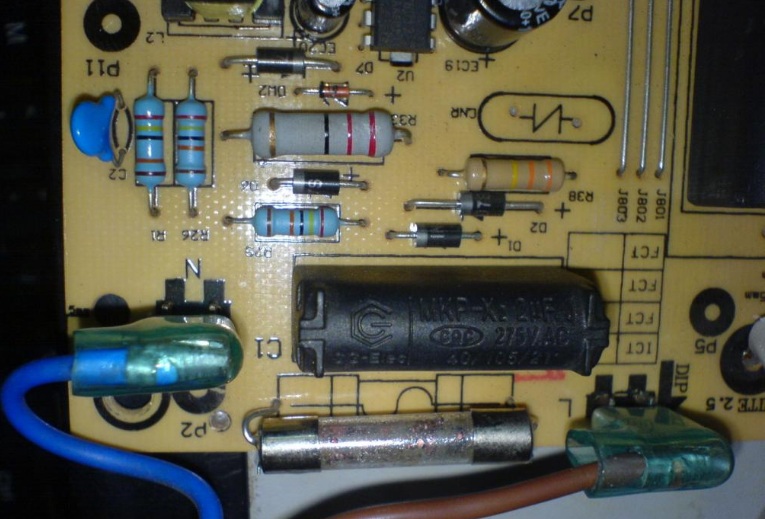
The reason for the blown fuse in the induction cooker is not due to the imported induction cookers but because users are not aware of the electrical characteristics of this type of cooker. Especially Japanese imported induction cookers. This type of cooker has a power supply efficiency that is not compatible with Vietnam’s voltage (it may be lower than 170V or higher than 260V). Therefore, if users buy it and do not use a power converter, it is very easy for the induction cooker’s fuse to blow.
Another reason that causes the induction cooker to blow a fuse is due to unstable and fluctuating power supply. Induction cookers need to operate in a stable electrical environment to function best. If the power supply fluctuates, sometimes strong, sometimes weak, it will lead to the induction cooker’s fuse blowing immediately.
The induction cooker blowing a fuse occurs when you do not plug it into a separate socket. Kocher has noted several times that users should plug the induction cooker into a separate socket to ensure the most stable power supply for the induction cooker. Plugging the induction cooker into the same socket as other devices such as refrigerators, washing machines, rice cookers, or electric kettles is also a major cause of the induction cooker blowing a fuse.
How to handle when the induction cooker blows a fuse
-
First, you should prevent by using a circuit breaker to ensure that the entire electrical system in the house is cut off when a fuse blows.
-
Understand the power supply efficiency of the cooker when purchasing to have a way to handle and convert the induction cooker’s power supply to be compatible with Vietnam’s voltage. This is the best way to avoid the induction cooker blowing a fuse before choosing to buy it.
-
When the induction cooker blows a fuse, unplug the cooker from the socket.
-
Check the bottom of the pot and the induction coil to see if there is a fault from these components pressing against each other causing high or excessive temperatures.
-
Call a reputable induction cooker repair technician or take the cooker for warranty to check it when the fuse blows. Do not disassemble or replace any fuses or components of the induction cooker on your own to avoid causing more severe damage to the cooker.
Induction cookers blowing fuses are often encountered in low-quality cookers, imported cookers of unclear origin, or power supply efficiency that is not compatible.
To use an induction cooking device safely and effectively, Kocher is a reliable address for you to refer to when choosing the latest and safest induction cooker models. Contact Kocher now for advice and answers to your questions about induction cookers!