
Do you know how to store crabs in the refrigerator to ensure they remain fresh, not skinny, or that the crab meat does not become fibrous and lose quality? The method for storing crabs in the refrigerator that we share below will help you preserve fresh crabs with intact quality in a very simple way.
Learn more about related topics:
- Which imported induction hob is the best today?
- Experience in choosing to buy imported German induction hobs.
- Are Spanish induction hobs good?
- How to deodorize a refrigerator that hasn’t been used for a long time
How to store live crabs in the refrigerator

How to store crabs in the refrigerator
Storing crabs in the refrigerator is not like storing meat; for vegetables and meats, you just need to wash them, wrap them tightly in plastic, vacuum seal, or can them and put them in the refrigerator. But seafood, especially live crabs, is not that simple. Since crabs can be quite aggressive, you cannot just leave the crab’s binding ropes on and put them in the refrigerator; you need to follow these steps before storing crabs in the refrigerator.
Step 1: After bringing the crabs home, you absolutely should not put them in water because crabs can easily suffer from “thermal shock” and die, and of course, crabs that die without being cooked immediately will lose meat and not be sweet anymore. Therefore, to keep the crabs alive and fresh longer, you should place them in a cool spot and can sprinkle water on them. If you want to be more careful, you can lay the crabs on a bed of ice to keep them fresh and firm, making it easier to handle them in the next step.
Step 2: Since crabs are very aggressive and their large claws can pinch your hand until it bleeds, you must not remove the binding ropes while they are still alive. Leave the ropes on, then flip the apron under the crab’s belly, use a sharp object to poke straight into the hollow under the belly until the legs and claws stretch out to ensure the crab no longer poses a danger to you.

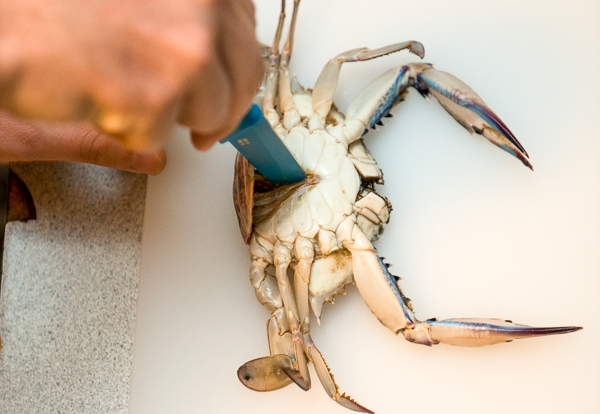
Method 1: Use a plastic container or an ice tray to neatly arrange the crabs in the container and place it in the refrigerator’s cool compartment. This method is suitable for cooking on the same day. Do not leave them too long as it will cause the crabs to lose water, and the crab meat will become less sweet and fibrous. You should adjust the refrigerator temperature to between 0 – 4 degrees Celsius.
Method 2: Use a plastic bag or vacuum-sealed bag to wrap the crabs. This method of storing live crabs in the refrigerator has advantages over method 1 as it helps minimize water loss when kept in the freezer. However, this method is only suitable for crabs that are no longer alive or soft-shelled crabs. This method helps you keep crabs for 2 – 3 days. Note that when taking crabs or blue crabs from the freezer to cook, you should thaw them in the cool compartment first; this helps the crabs or blue crabs remain fresh and delicious. (See more:
How long can cooked food be safely stored in the refrigerator for health)
If you do not have a refrigerator, you can still process the crabs as described in the 4 steps above and store them by arranging the crabs in a foam box or plastic container. Mix a diluted saltwater solution and place the crabs in it. Keep the container of crabs in a cool place. The method of storing live crabs effectively for a long time is to place them in an environment with a temperature of about 10 to 15 degrees Celsius.
However, if you want the crabs to remain fresh, whether you choose to store live crabs in the refrigerator or keep them in a diluted saltwater solution, we recommend that you only keep live crabs for about 3 days. If it exceeds 3 days, the crab meat will no longer retain its flavor and quality.
How to store cooked crabs in the refrigerator
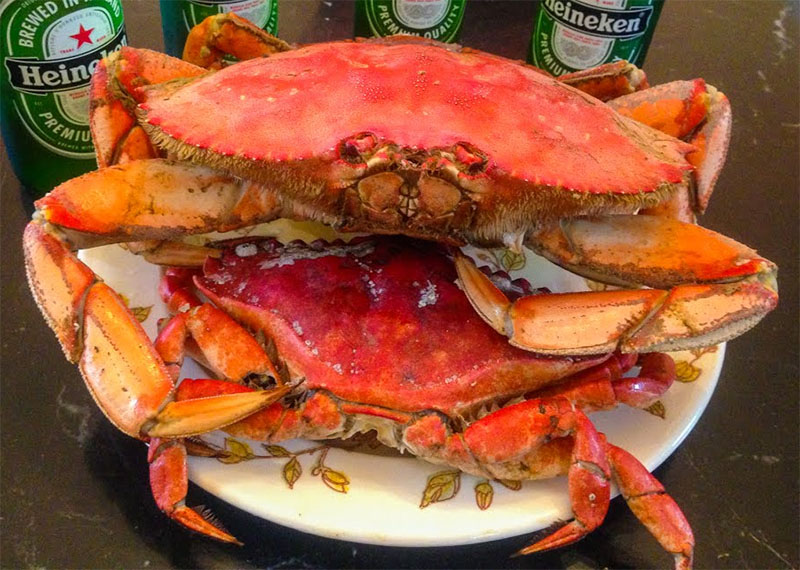
How to store cooked crabs
- Wrap the crabs tightly in plastic, food storage bags, or vacuum-sealed bags and place them in the freezer. The safe storage time is from 2 – 5 days. However, the quality and flavor of the crabs will not be as good as initially because crab meat can easily undergo changes, losing protein, which is not good for health. You should use the crabs for subsequent meals, such as from lunch to dinner. Do not leave them overnight.
How to store freshwater crabs in the refrigerator
If you and your loved ones enjoy crabs and often buy a lot to “make a batch” and want to store them for later but do not know how to store freshwater crabs in the refrigerator, here are the best suggestions for you to keep crabs fresh and pure in the refrigerator.
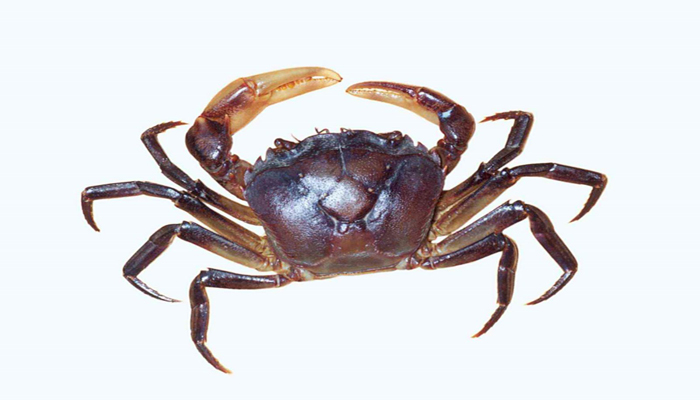
How to store freshwater crabs in the refrigerator
For live freshwater crabs, the best way to store them fresh for a long time is to process the crabs, remove the shells, separate the crab roe, and crab meat. The crab meat needs to be washed clean. You can store the crab meat in a plastic bag or airtight container in the freezer. Or you can finely chop the crab meat and store it in the freezer.
This method of storing freshwater crabs in the refrigerator can help you keep crabs for a whole week without affecting their quality. When you need to cook, you just need to thaw them to use.
For processed or cooked crabs, whether they can be stored for a long time depends on how you prepare the crabs. If they are stir-fried or deep-fried, you can keep them for 1 – 2 days in the refrigerator’s cool compartment. If you cook soup, crab soup should only be eaten at the next meal, such as from morning to noon or from noon to evening.
Crab soup left overnight is prone to spoilage, or even if it can be eaten, it is not good for health. It can easily undergo changes, causing poisoning, stomach pain, or intestinal diseases.
================
We hope that the methods for storing live crabs in the refrigerator or storing freshwater crabs shared by Kocher will help you know how to preserve the freshest crab and blue crab products.