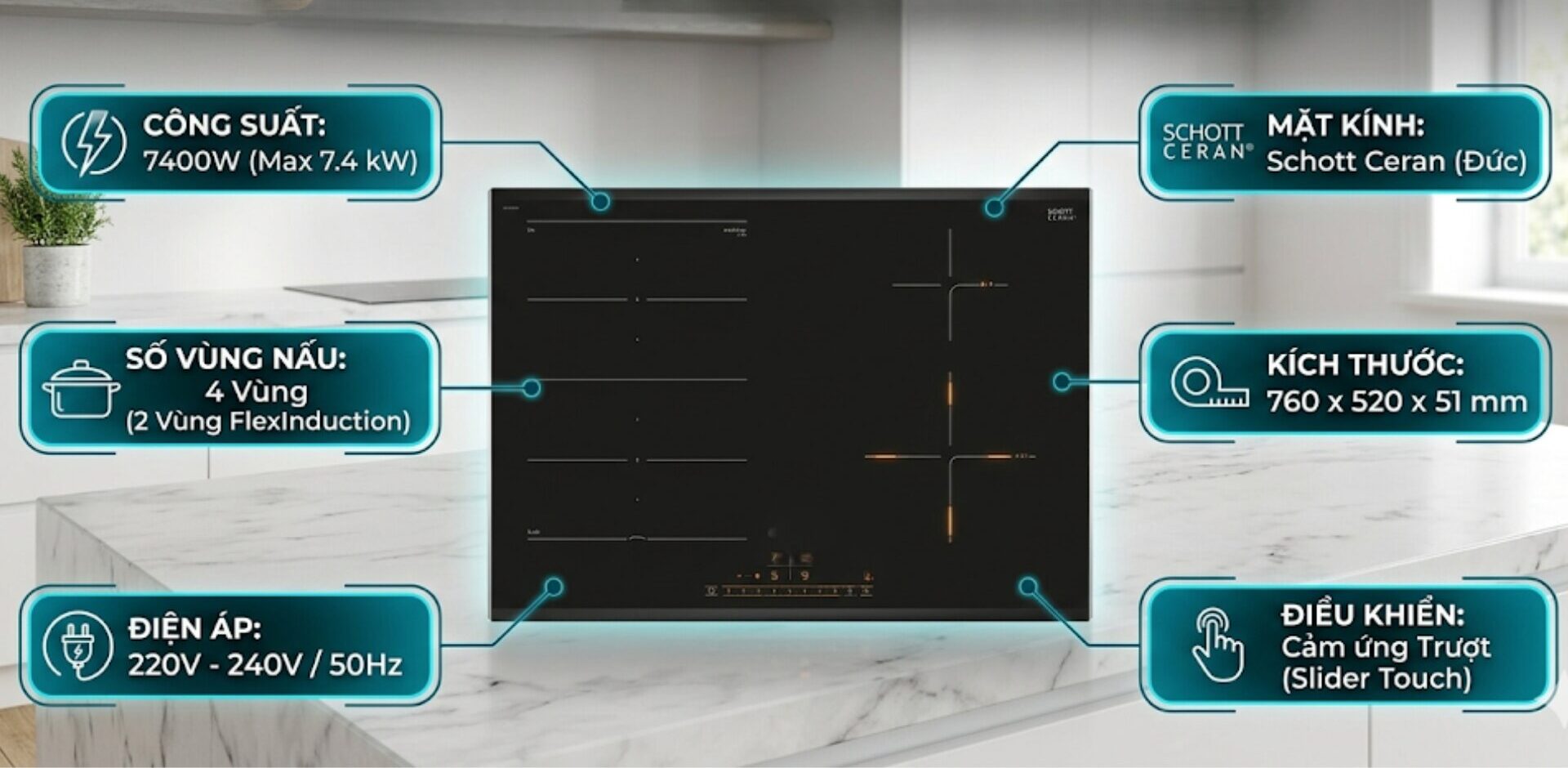
To ensure the induction cooktop operates stably, saves energy, and prolongs the lifespan of the circuit board, users need to understand the standard operating principles. Ignoring the usage notes for induction cooktops can inadvertently cause overheating issues with the circuit board or unwanted scratches on the glass surface. The article below summarizes 18 expert-standard notes to help you optimize the performance of the device.
6 notes when using induction cooktops during installation and operation
The preparation of infrastructure and initial installation determines 50% of the cooktop’s durability, especially the internal components against fluctuations in voltage and temperature.
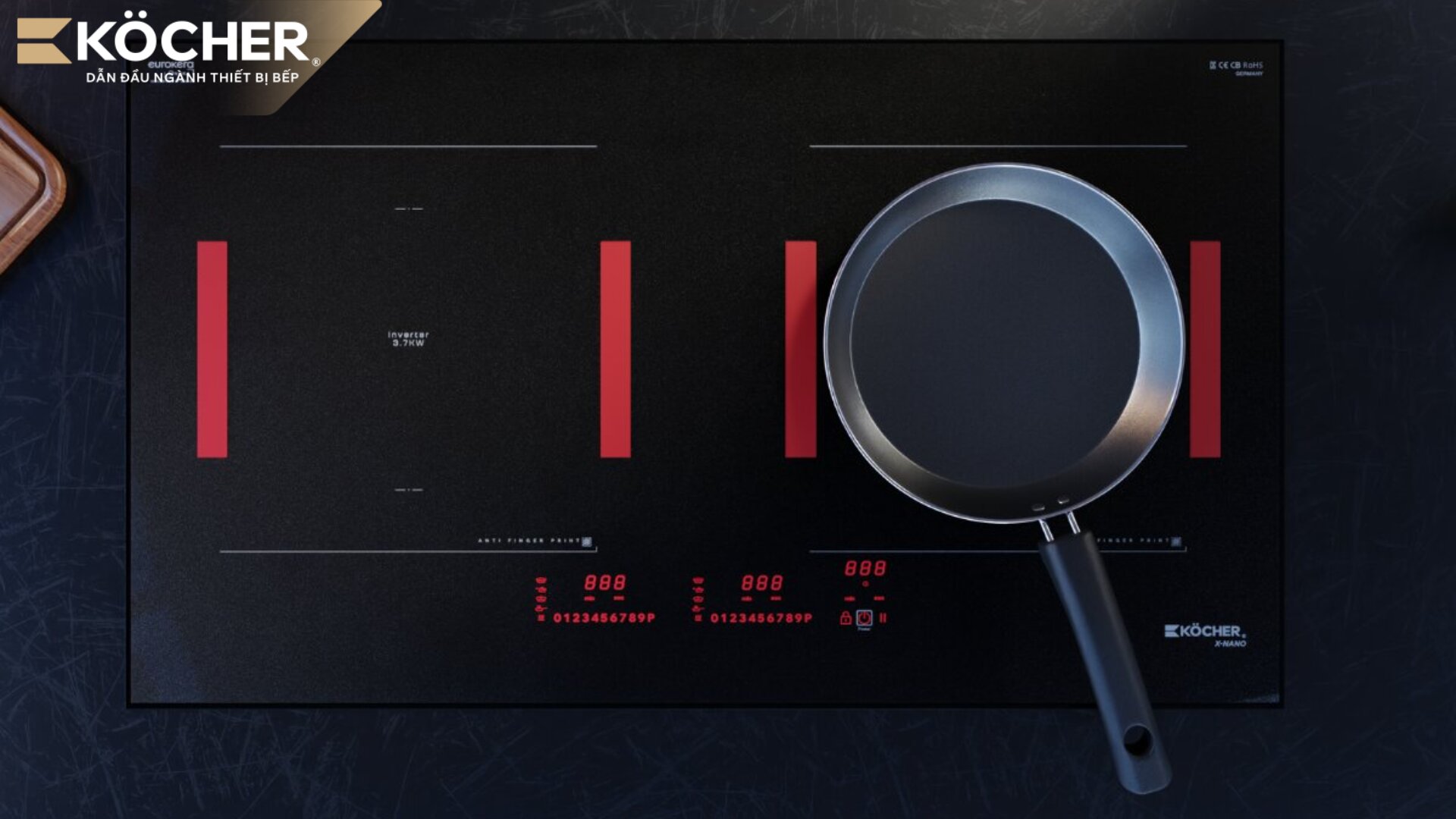
Use a stable power source
- Technical reason: Induction cooktops are sensitive to voltage fluctuations. If the input current frequently fluctuates outside the safe range (220V ± 10%), the central processor may hang the algorithm or trigger power supply fault codes (such as E3, E4) to protect the power circuit.
- How to implement: You should monitor the quality of the household power grid, especially during peak hours from 6 PM to 8 PM. If you notice unstable current, equipping a large capacity voltage stabilizer (AVR) is necessary to protect the capacitor system.
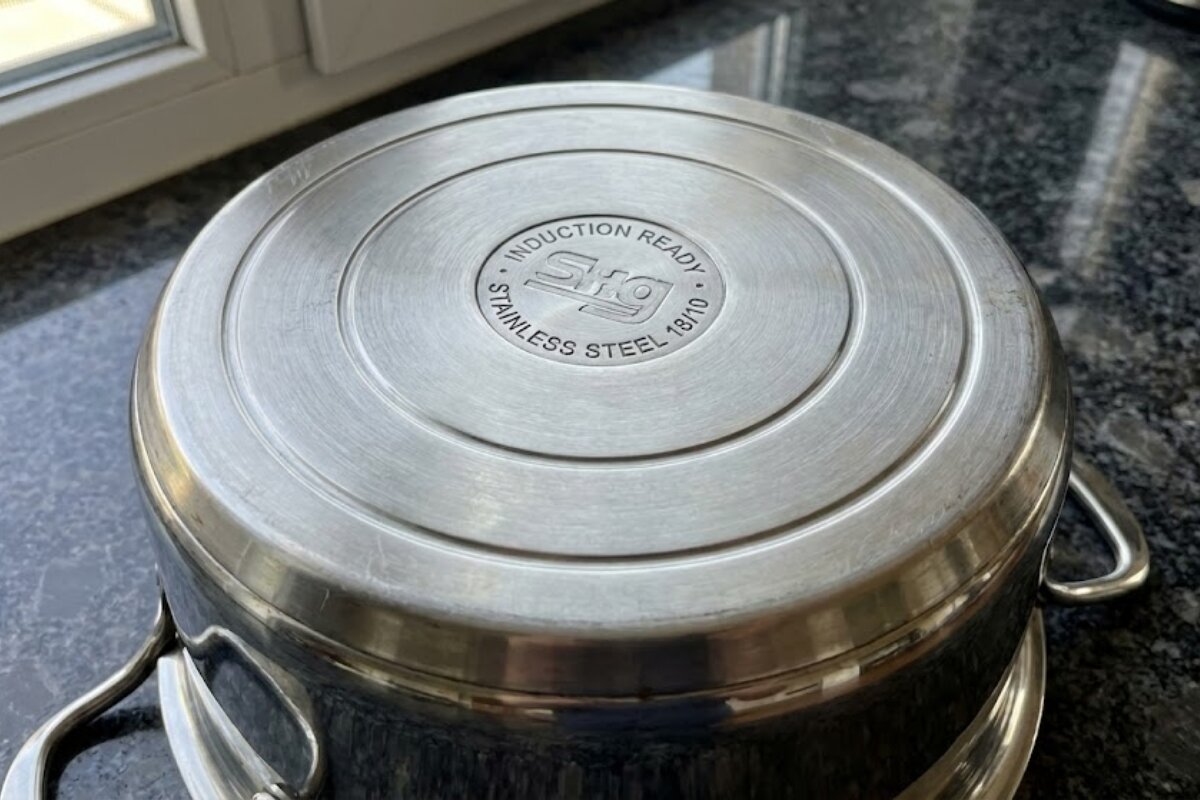
Choose pots and pans with magnetic properties
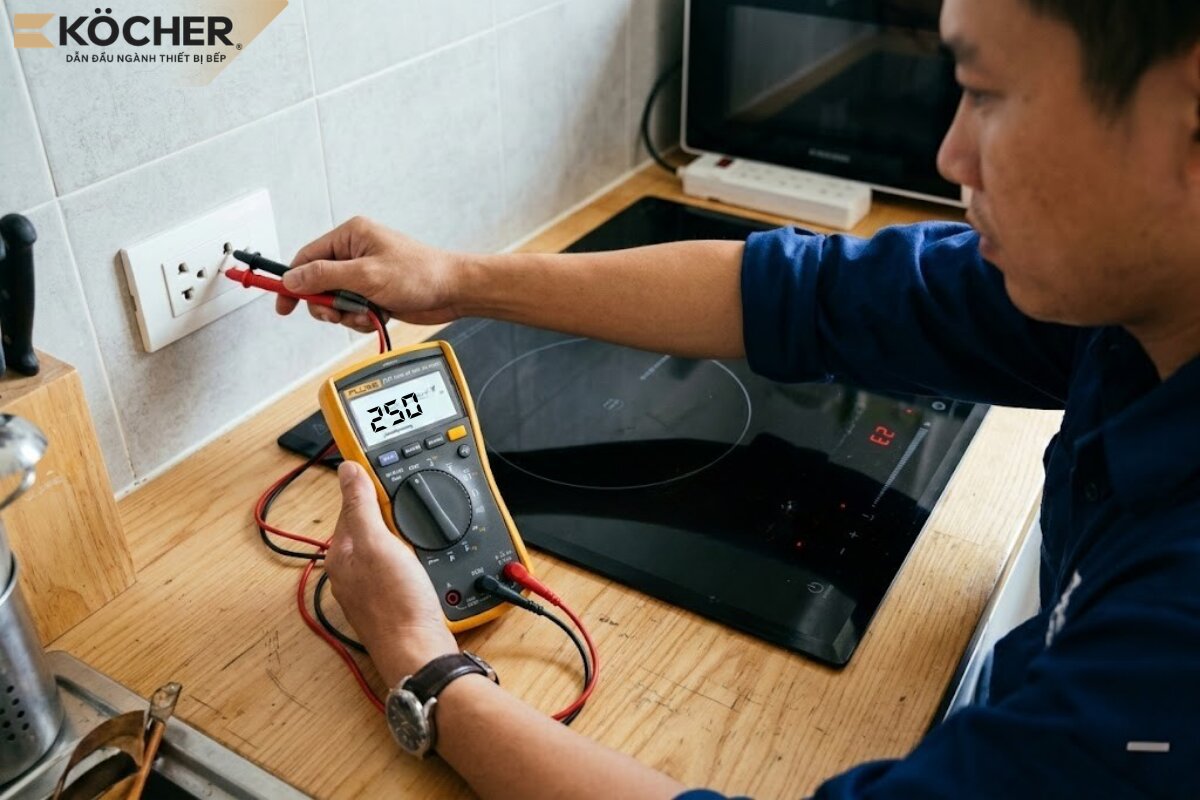
- Technical reason: Induction cooktops operate on the principle of electromagnetic induction, generating heat only when the magnetic field interacts directly with ferromagnetic molecules at the bottom of the pot. Using pots made of aluminum, glass, or ordinary ceramics will cause the cooktop to report error E0 and immediately cut off heating.
- How to implement: You should choose pots and pans with completely flat bottoms, made of stainless steel 430 or cast iron that can withstand good loads. A small tip is to use a magnet to test the bottom of the pot; if the magnet sticks firmly, it indicates that the pot is compatible and helps the Pot Detect feature quickly identify the cooking area.
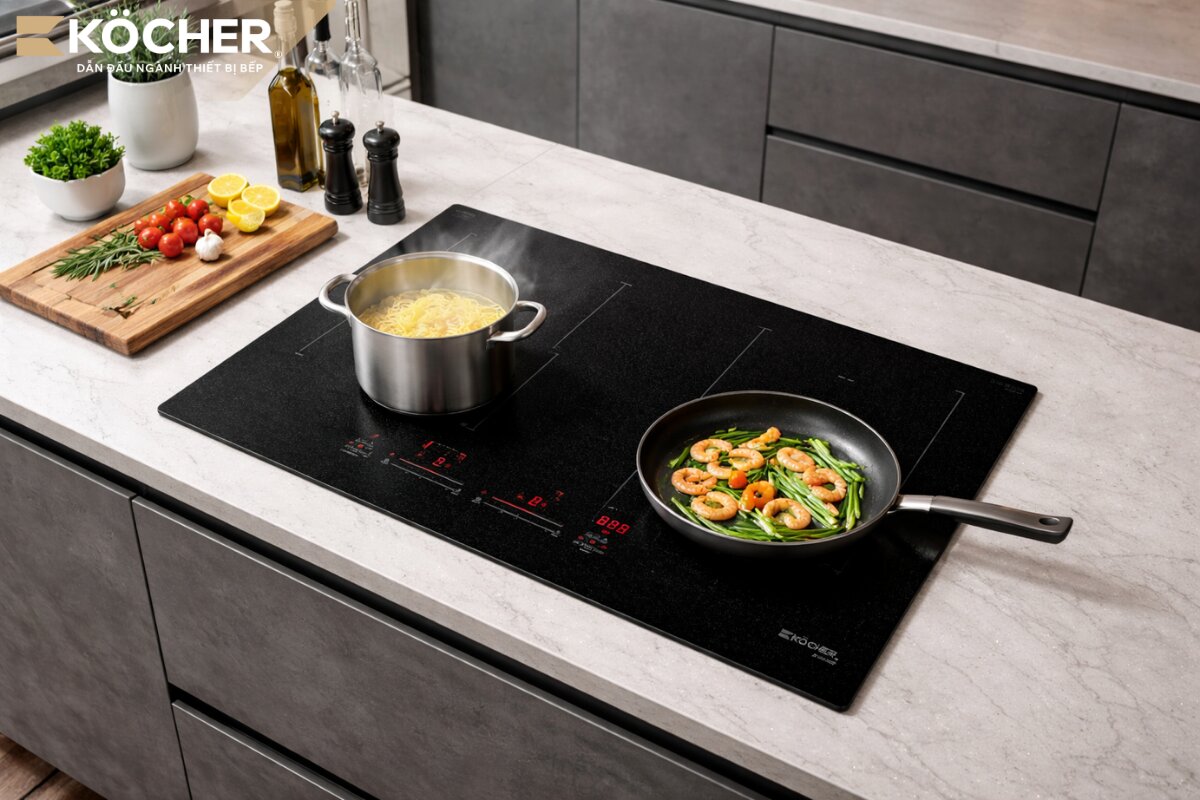
Choose a well-ventilated installation location
- Technical reason: When cooking, the power components (IGBT) emit a large amount of heat. If the installation area is sealed, the hot air cannot escape, causing the temperature in the cooktop compartment to spike, easily triggering overheating protection error codes (E1, E5).
- How to implement: When cutting the stone for built-in installation, ensure that the ventilation gap under the cooktop is at least 10 – 15cm to allow the cooling fan to operate effectively. Place the cooktop on a sturdy, level surface to avoid uneven pressure on the glass.
Ensure the usage environment is not too humid
- Technical reason: High humidity is the leading cause of moisture in the circuit, oxidizing the contacts of the capacitive sensor system under the control panel. This can easily lead to temporary touch key failure or system error codes (such as error E9).
- How to implement: Avoid installing the induction cooktop too close to the sink (the minimum safe distance is 50cm). Always keep your hands completely dry before operating the control panel to ensure the capacitive detection system is most sensitive.
Do not place the cooktop next to devices that cause magnetic interference
- Technical reason: Induction cooktops emit low-frequency electromagnetic waves to heat pots. When placed too close to high-frequency transmission devices, the cooktop’s magnetic field can cause interference, affecting the image and sound quality of these devices.
- How to implement: Design the placement distance of the cooktop at least 1 meter away from the TV, radio, microwave, or smartphone to ensure the signal flow of the devices does not conflict.
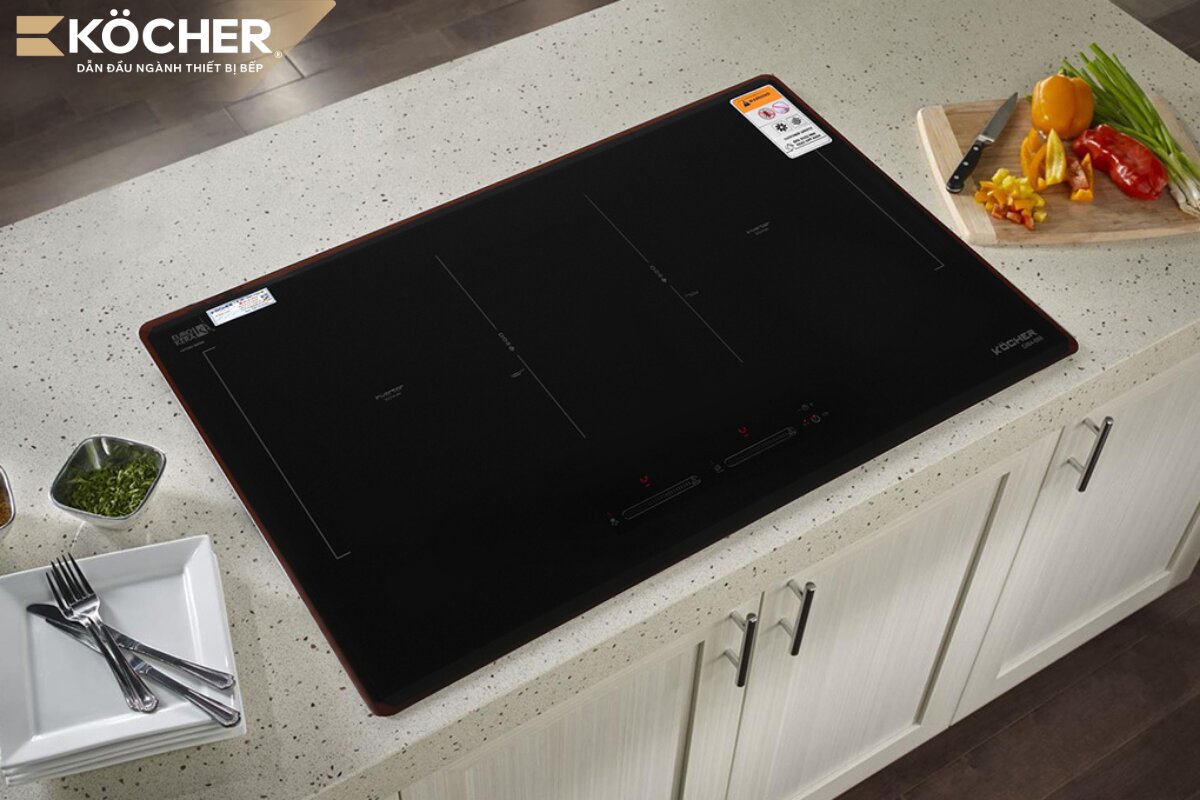
Ensure the power source can handle the load
- Technical reason: With a total cooking power of double cooktops typically ranging from 4000 – 4800W, using weak wiring will cause the wires to overheat, melt the plug, and pose a risk of electrical short circuits in the house.
- How to implement: You need to connect the electricity directly through a separate circuit breaker rated for 20A – 30A. At the same time, the power supply line leading to the cooktop must use copper wire with a minimum cross-section of 2.5mm² – 4mm² to ensure stable load capacity for the cooktop.
8 notes when using induction cooktops during cooking
Operating correctly according to the heating principle throughout the cooking process will help the dish cook evenly and protect the cooktop during operation.
Do not place a wet-bottomed pot on the cooktop
- Technical reason: Water trapped at the bottom of the pot when in contact with the high temperature of the glass surface will quickly evaporate and create difficult-to-clean white limescale stains. Additionally, moisture can reduce the sensitivity of the temperature sensor (NTC) located just below the glass.
- How to implement: Always use a dry cloth to thoroughly wipe the bottom surface of the pot before placing it on the cooking zone of the cooktop.
Place the pot correctly in the cooking zone, centered on the induction circle
- Technical reason: When the pot is placed off-center from the induction circle marked on the glass surface, the density of the magnetic field lines transmitted to the bottom of the pot is dispersed into the surrounding environment. This drop in efficiency forces the induction coil to operate at a higher intensity to compensate for the heat, resulting in wasted energy.
- How to implement: Be sure to place the pot balanced and centered with the circle (or square) drawn on the cooktop surface so that the magnetic field is absorbed completely into the bottom of the pot.
Do not drag the pot across the cooktop to avoid scratches
- Technical reason: The bottom of pots (especially old cast iron or stainless steel pots) often has a rough surface. Dragging the pot back and forth under heavy load will act like sandpaper, damaging the protective layer of the ceramic glass surface.
- How to implement: Make it a habit to lift the pot completely when you want to move its position. If you want to minimize these unsightly scratches, you should prioritize choosing the Köcher X-Nano series of cooktops with a matte glass surface to enhance adhesion and optimal scratch resistance.
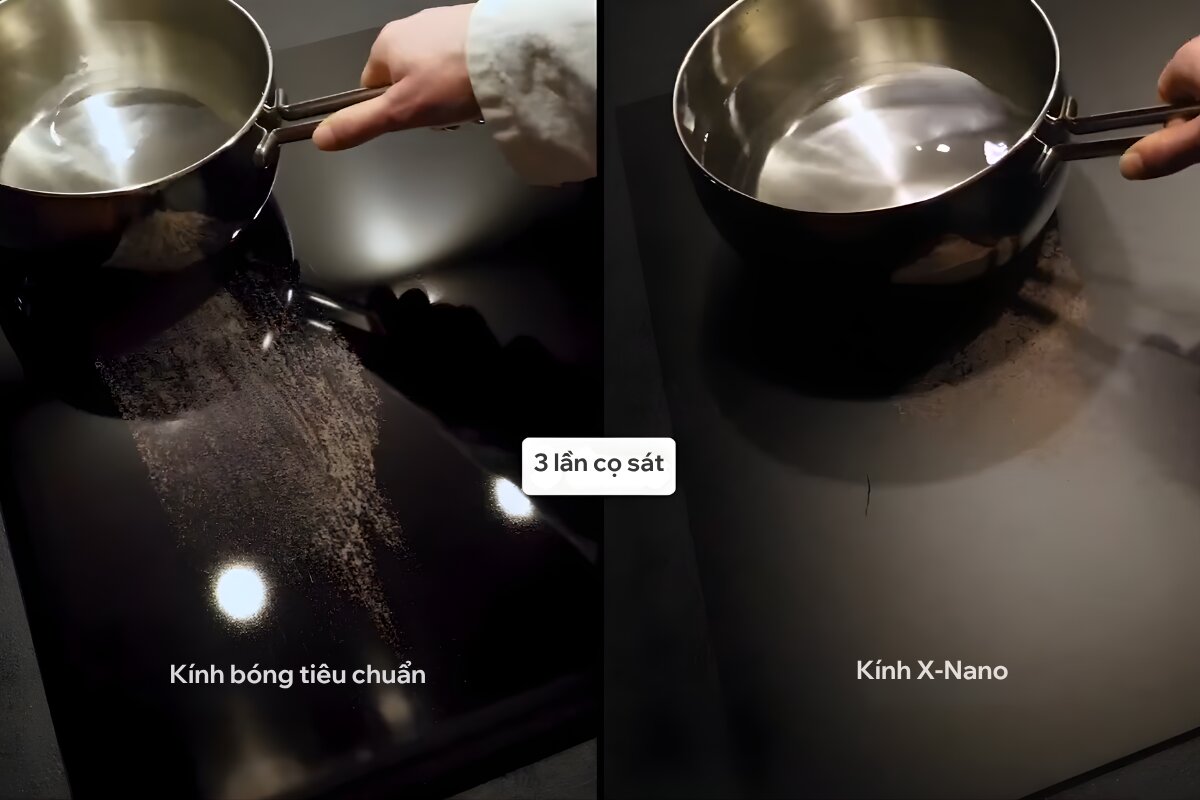 To minimize these unsightly scratches, you should prioritize choosing the Köcher X-Nano series of cooktops to enhance adhesion and optimal scratch resistance
Do not allow food or boiling water to spill directly onto the cooktop
- Technical reason: Water or oil spilling onto the capacitive touch control panel will create a conductive layer that alters the capacitance of the glass surface, causing the cooktop to malfunction or automatically activate the spill protection feature to shut down the cooktop.
- How to implement: When cooking soups or broths, be sure to reduce the power to a medium level (level 5 – 6) as soon as the water reaches boiling point to maintain a stable boil without spilling over the edge of the cooktop.
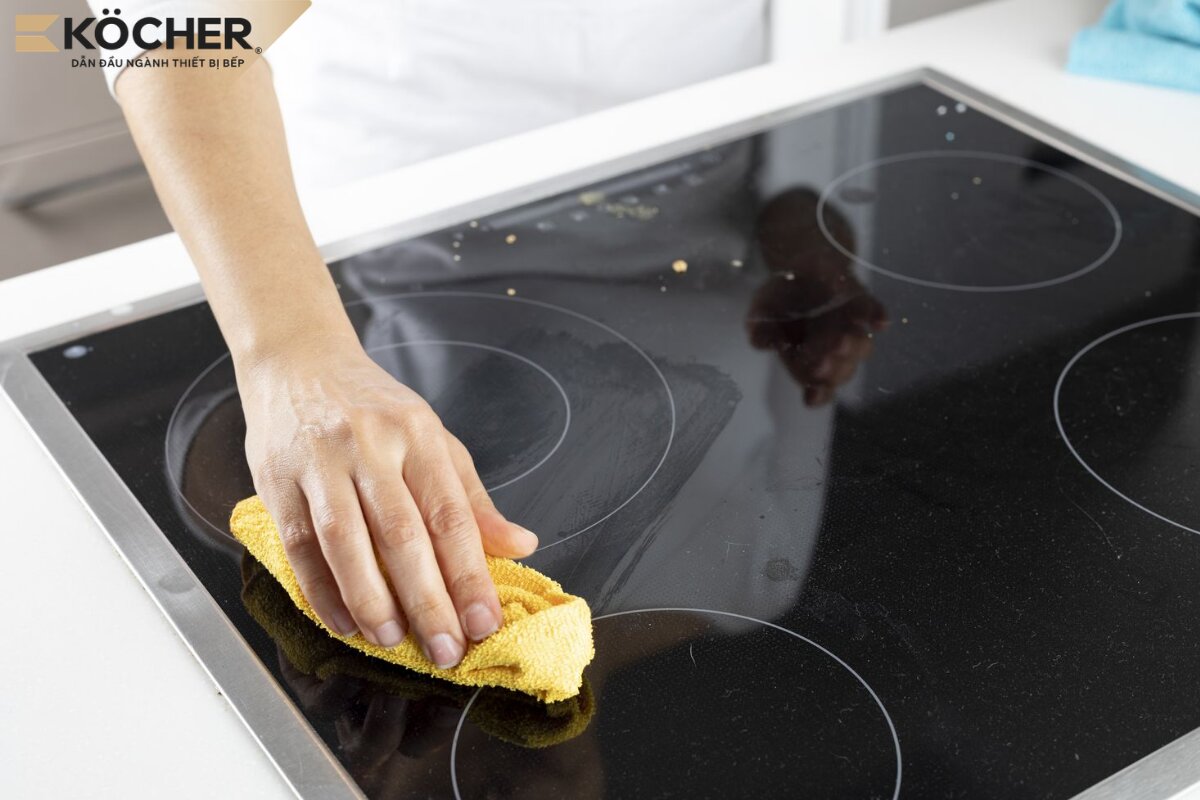 Do not allow food or boiling water to spill directly onto the cooktop
Do not place fabric, paper towels, or shields under the pot
- Technical reason: Many people place paper or fabric under the pot to prevent dirt on the glass surface. However, paper or fabric is highly flammable; when the bottom of the pot reaches high temperatures (over 200 degrees Celsius), these lining materials can catch fire and damage the cooktop glass.
- How to implement: Place the clean metal bottom of the pot directly on the ceramic glass surface of the cooktop, without any non-magnetic intermediate lining.
People with pacemakers should not stand too close when the cooktop is in operation
- Technical reason: The magnetic field emitted from the induction coil, although at low frequency, can still interfere with the control waves of implanted medical devices such as pacemakers if in close proximity.
- How to implement: Pacemaker users should maintain a safe distance of at least 30 – 50cm away from the cooking zone operating at high power to avoid unintended electromagnetic interference.
 Pacemaker users should not stand too close to the cooktop when it is in operation
Do not use excessively high temperatures for long periods
- Technical reason: The maximum heating mode (Booster) pushes the current to maximum power for super-fast cooking, but continuously using Booster for more than 10 minutes will cause the induction coil to accumulate heat, reducing the lifespan of the capacitor and easily triggering overheating system errors.
- How to implement: Only use Booster to quickly boil water at the beginning, then actively lower to medium heat levels (levels 5 – 7) for delicious cooking and to protect the circuit board.
Do not lift the pot off the cooktop while cooking
- Technical reason: When you suddenly lift the pot without turning off the cooktop, the magnetic field loses its target, causing the system to emit a “clicking” sound (the Pot Detect feature is scanning for the pot) and may cause sudden current surges on the power circuit board.
- How to implement: Be proactive in pressing the pause button or turning off the cooking zone power before lifting the pot to check the food.
4 notes when using induction cooktops for cleaning and maintenance
Proper maintenance after cooking helps keep the glass surface always bright and beautiful and optimizes the cooktop’s heat dissipation performance.
Do not touch the cooking zone immediately after turning off the cooktop
- Technical reason: Although induction cooktops do not generate heat on the glass surface, the enormous heat energy transmitted back from the bottom of the pot keeps the glass hot at residual heat levels for quite some time after cooking.
- How to implement: Wait until the residual heat warning light (indicated by the letter H) on the control panel is completely off before touching the glass surface for cleaning.
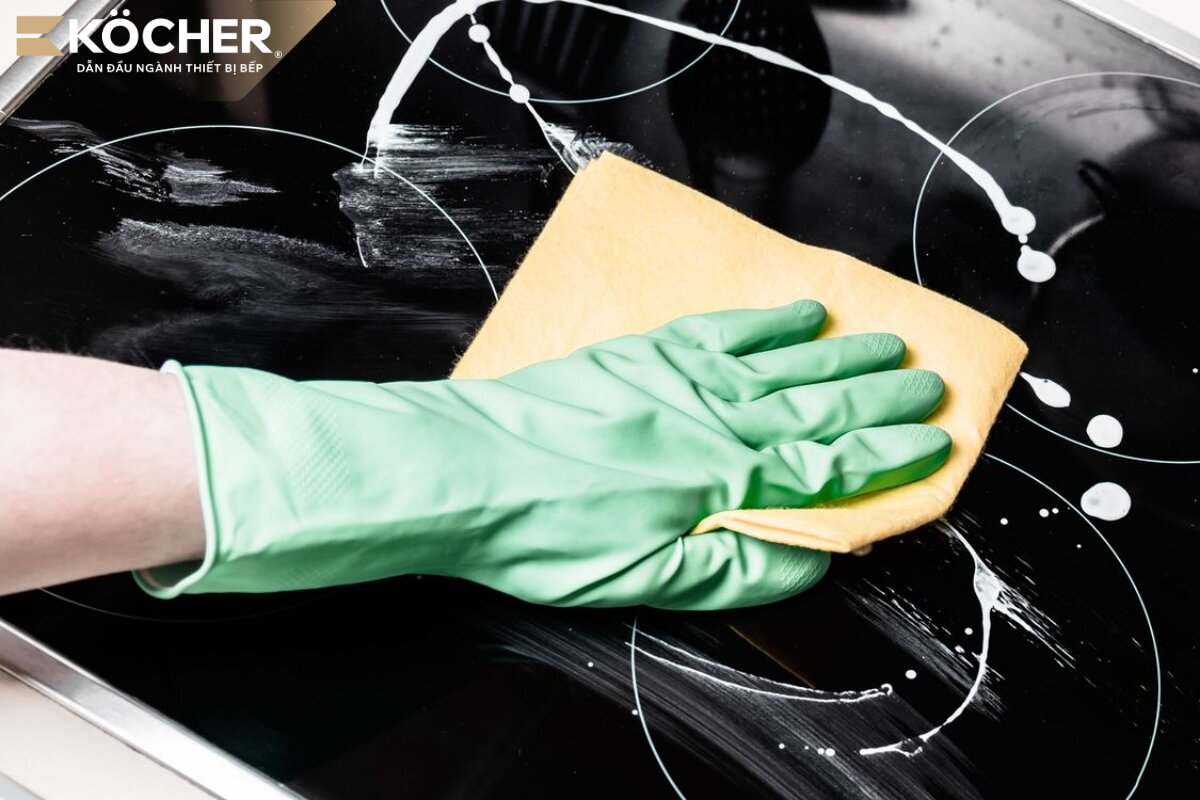 It is advisable to let the cooktop cool down completely before cleaning
Do not disconnect the power supply (unplug/cut the circuit breaker) immediately after cooking
- Technical reason: When you press to turn off the cooktop, the cooling fan under the cooktop continues to run for an additional 5 – 10 minutes to cool the induction coil and IGBT power module. Sudden disconnection will trap excess heat inside, causing thermal shock that quickly dries out the capacitor.
- How to implement: Only turn off the cooktop using the touch power button and keep the plug or circuit breaker active until the cooling fan stops completely.
Clean the cooktop properly with a soft cloth after each use
- Technical reason: Oil or leftover food on the glass surface, if continuously heated during subsequent cooking sessions, will carbonize, creating hard-to-remove black burn stains stuck to the glass.
- How to implement: Wait for the cooktop surface to cool down completely, use a damp soft cloth (Microfiber) combined with neutral glass cleaner to gently clean the cooktop surface after each cooking day.
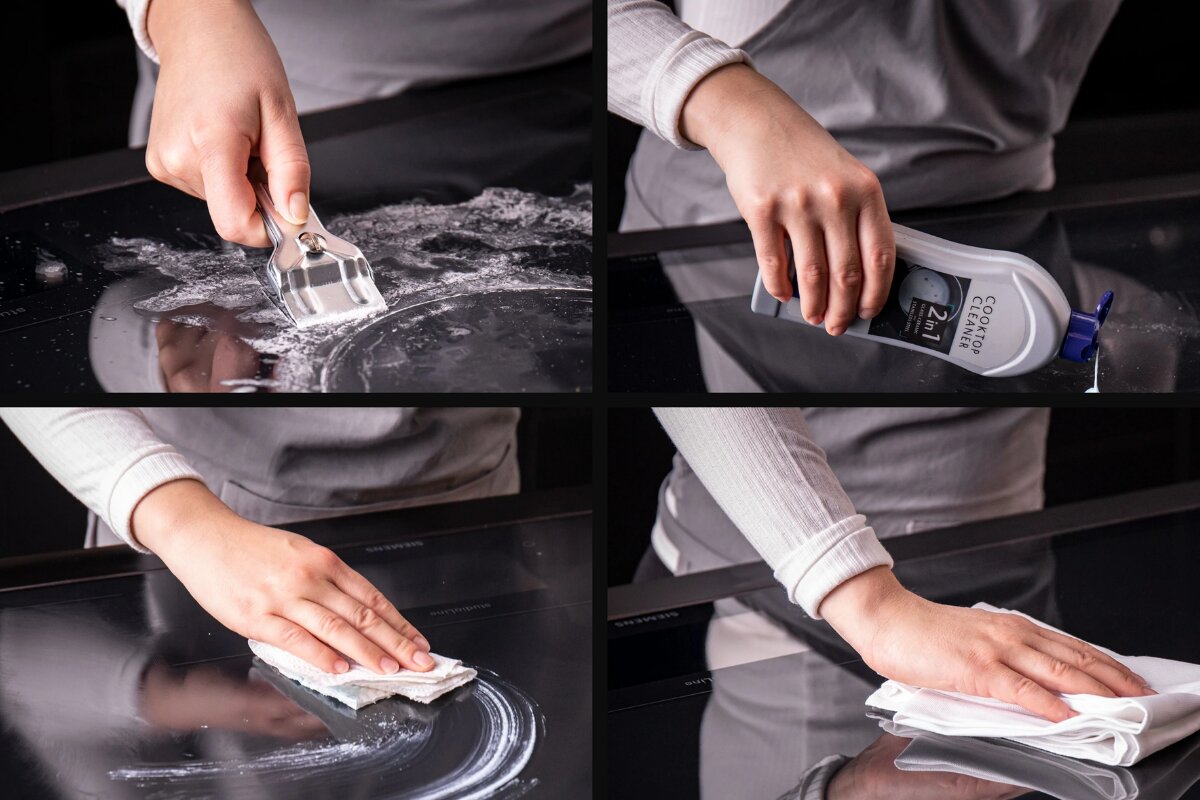 How to clean the induction cooktop after use
Do not use sharp knives to scrape stains off the cooktop
- Technical reason: Using a regular knife, scissors, or steel wool to scrub vigorously will destroy the protective nano layer on the surface and cause deep scratches that cannot be restored.
- How to implement: Use a specialized ceramic glass scraper held at a 45-degree angle to gently scrape off stubborn burn stains, then wipe again with a damp soft cloth.
Following the usage notes for induction cooktops is the most practical solution to help you protect the device’s durability and optimize monthly energy costs for your family. A scientific cooking habit not only ensures delicious dishes but also completely prevents technical risks related to overheating of the circuit board or electrical voltage shocks.
|
Köcher induction cooktops pioneer German technology – For detailed product information, please contact:
|