
The scratched glass surface of the induction cooktop not only affects aesthetics but also makes cleaning extremely difficult. How to protect the “heart” of the kitchen to always shine like new? Discover 7 effective ways to keep the induction cooktop scratch-free and tips on using readily available materials to quickly fix scratches on the induction cooktop at home below!
Use X-Nano scratch-resistant glass induction cooktops
If you are looking for a definitive solution to the worry of scratches, the induction cooktop equipped with X-Nano glass is the top choice. The product features a 5-layer X-Nano crystal structure, which is 5 times more scratch-resistant under continuous rubbing conditions, the result of over 10 years of research by EuroKera (France) exclusively developed for Köcher induction cooktops.
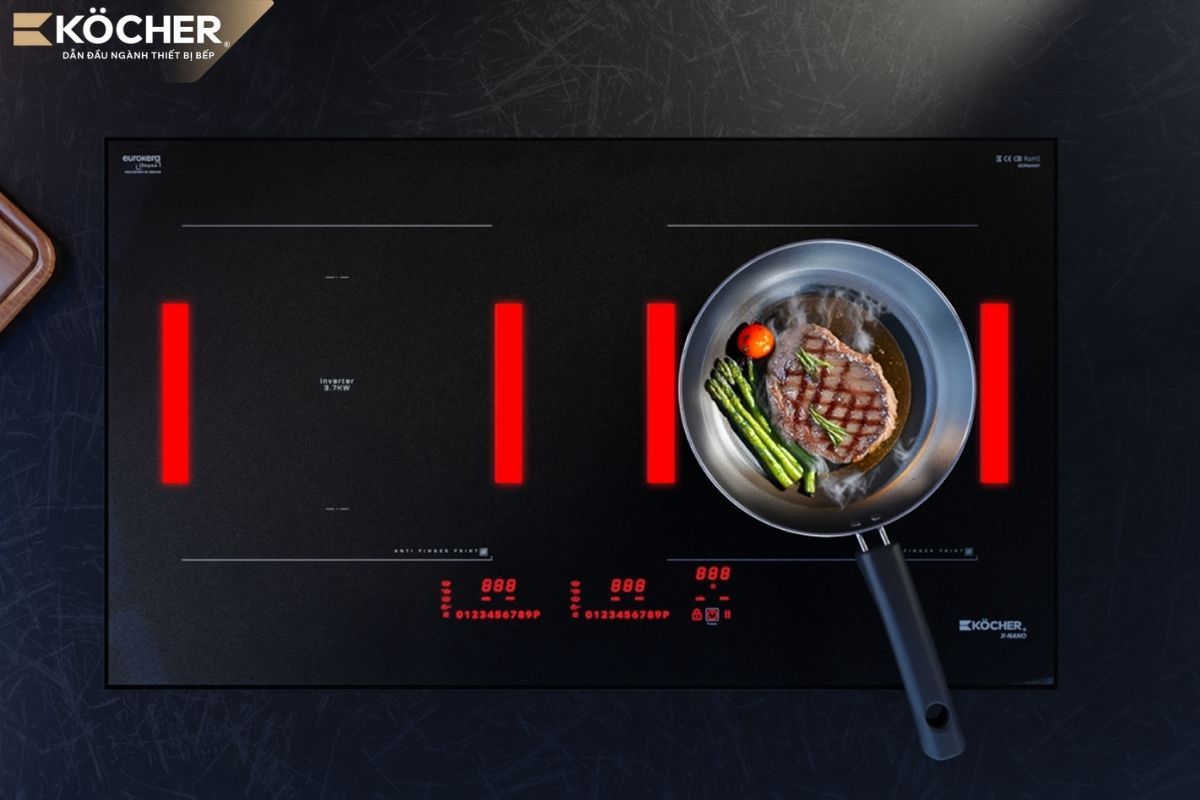
Through rigorous testing, the glass has proven its ability to protect the cooktop from physical impacts and temperature:
- Superior scratch resistance: Reduces scratches by up to 80% compared to regular glass. In normal usage situations, the cooktop maintains its smooth appearance, with no scratches or aesthetic impact on the glass surface even when the bottom of the pot is in contact with sand, salt, or when moving pans continuously on the cooktop.
- Optimal heat and thermal shock resistance: This capability of X-Nano scratch-resistant glass ensures the cooktop remains safe when water spills, pots are forgotten, or cooking for extended periods. Specifically, experiments show that when heating the glass at 720°C – 800°C and then immediately immersing it in cold water 5 times, the glass does not crack or deform.
- Easy cleaning: The textured surface of X-Nano scratch-resistant glass helps resist oil, fingerprints, and does not leave oil streaks when cleaned normally. Just a simple cleaning action in 30 seconds, and the cooktop will look as good as new.
Many customers often wonder whether the induction cooktop with textured glass is durable for long-term use; in fact, with X-Nano technology, the mechanical durability and load resistance far exceed that of traditional glossy glass. Refer to more information about Köcher’s X-Nano scratch-resistant glass induction cooktops in the video below:
Use the right type of pot/pan suitable for induction cooktops
Pots with uneven bottoms, honeycomb shapes, poor finishes, or low-quality pots are common causes of circular scratches on the induction cooktop due to uneven friction. To remedy this, prioritize choosing flat-bottomed pots and pans made of high-quality stainless steel (e.g., 304 stainless steel), with evenly distributed stainless steel on the bottom and no sharp edges when touched.
In addition to choosing the material, some users worry that the specific textured surface will hinder heat transfer, often asking if textured glass can attract magnetism. In fact, the magnetic field transmits vertically, so the textured surface structure only serves to protect the glass from scratches without affecting the magnetic performance of the pot’s bottom.
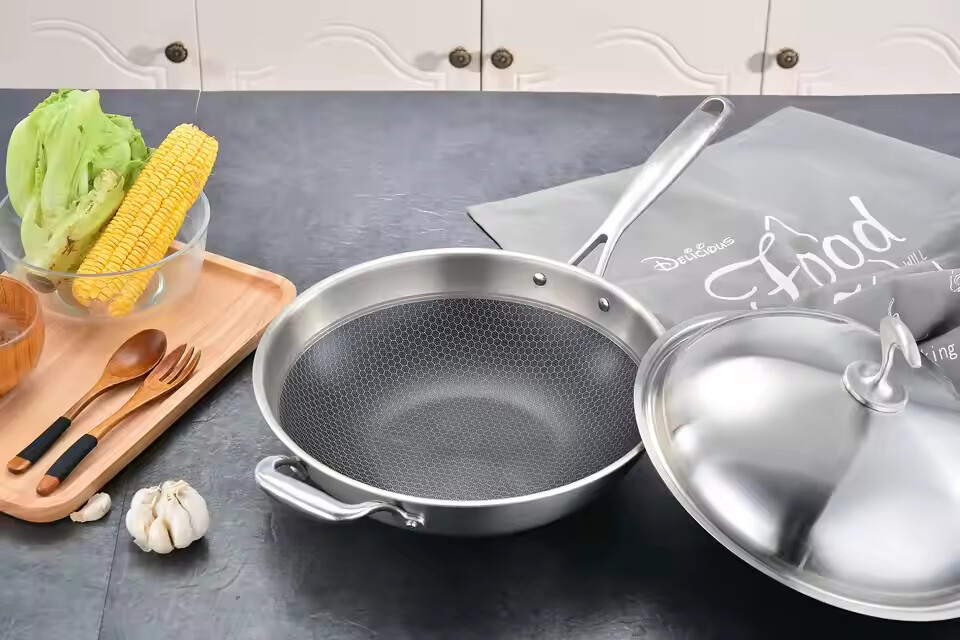
Lift pots when moving, avoid dragging or rotating on the cooktop
The habit of dragging pots creates strong direct friction between the metal bottom and the glass surface, which is the main cause of scratches on the induction cooktop. To protect the cooktop, when needing to move pots and pans, lift them completely and place them in a new position instead of dragging them sideways. Especially with heavy pots, you should turn off the cooktop before moving to easily control the force, avoiding strong impacts that could damage the glass surface.
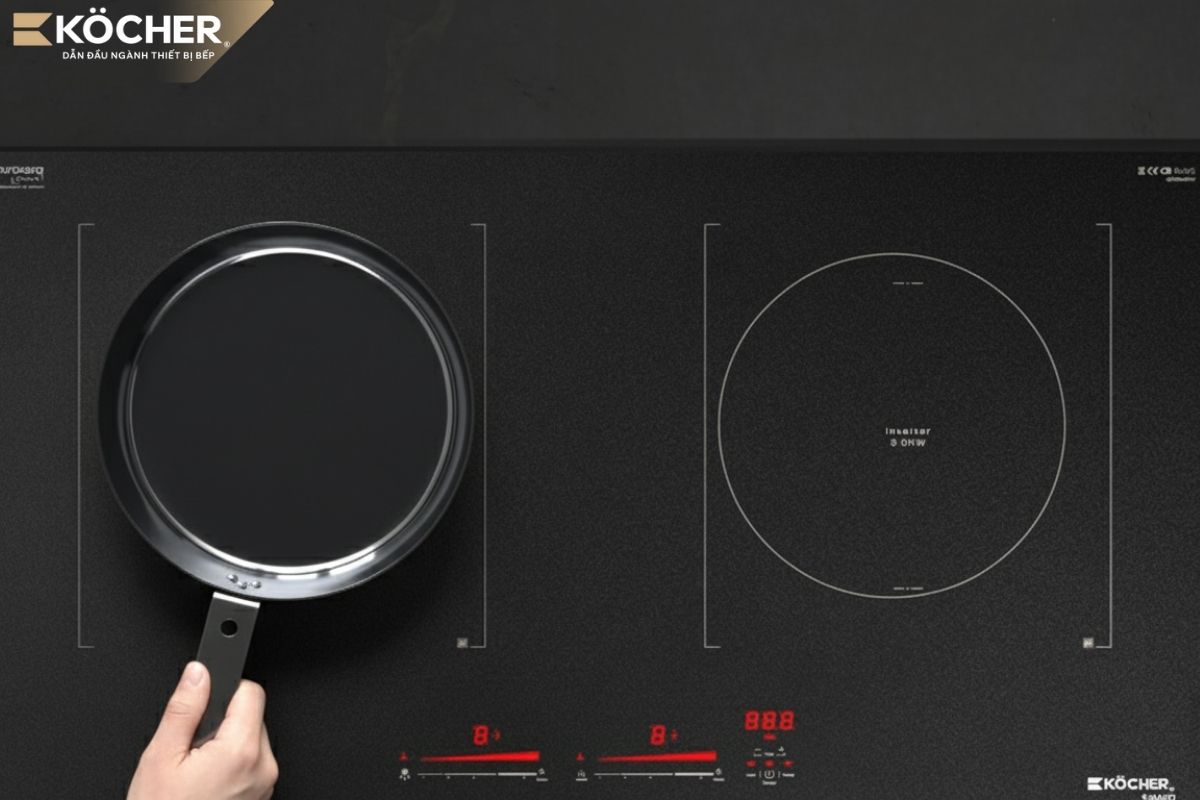
Clean the bottom of the pot before placing it on the cooktop
Before starting to cook, use a dry cloth to clean the bottom of the pot to completely remove any small sand particles, grease residue, or metal dust. These tiny particles, when pressed under the weight of the pot, will act like a sharp “sandpaper,” directly rubbing and scratching the glass surface during cooking.
Do not place hard, sharp objects directly on the cooktop
Items such as knives, scissors, metal pot lids, or heavy glass bottles all pose a risk of scratching the glass surface if they collide or slide slightly. In particular, sharp metal edges can leave deep scratches after just one accidental contact. To protect the cooktop, you should use utensils that are appropriate for cooking, and absolutely avoid using the glass surface as a table for placing items or a cutting board to prevent any unwanted physical impacts.
In light of daily impact risks, considering whether to buy textured glass induction cooktops has become a trend for many modern families, as the ultra-fine textured layer not only prevents scratches but also has the ability to diffuse light, effectively “hiding” small imperfections.
Clean the cooktop after each cooking session
After cooking, you should wait a moment until the cooktop cools down, then use a soft cloth or a specialized cloth to clean the cooktop surface. This is the golden time to clean grease as it helps prevent thermal shock and prevents grease stains from drying and making cleaning more difficult.
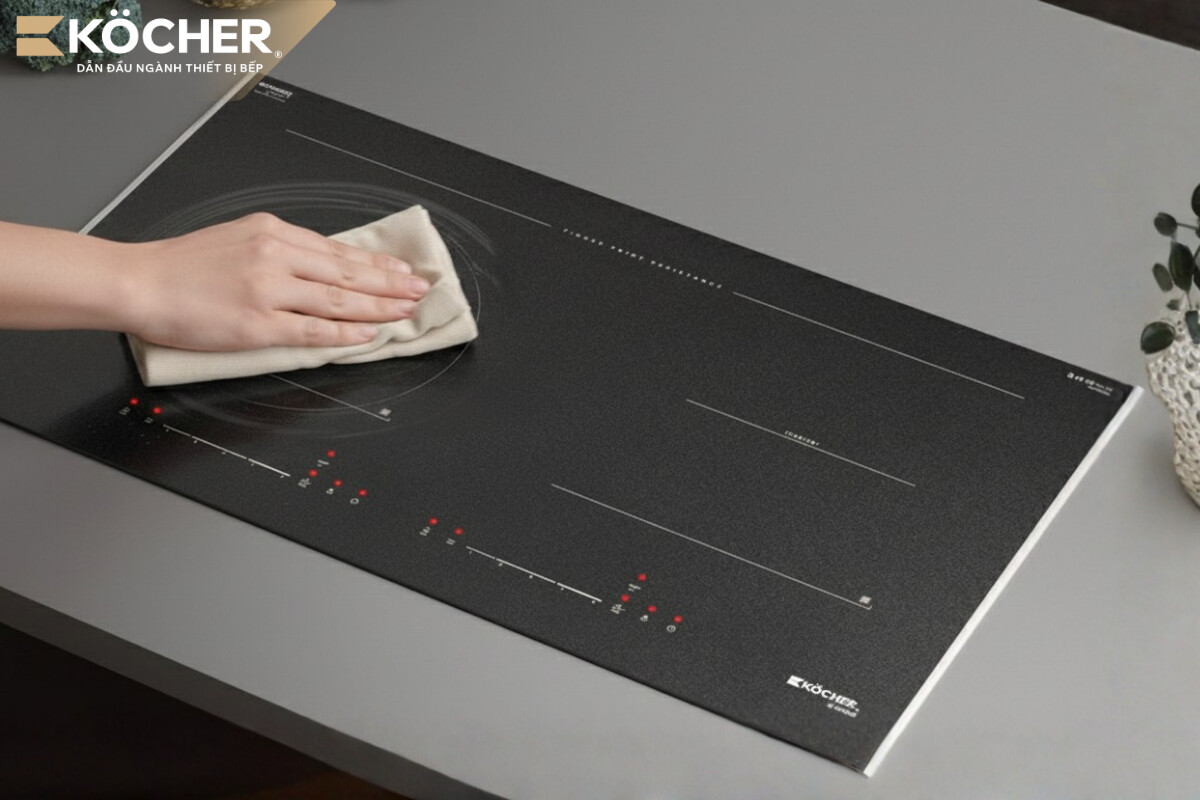
Properly handle stubborn stains
During use, it is inevitable to encounter stubborn stains that are difficult to clean. You need to know how to clean them properly to completely remove the stains without scratching the cooktop:
- Burnt-on stains: Use a specialized scraper for induction cooktops, hold it at a 45-degree angle and gently scrape the burnt area. Using the correct angle helps remove the residue without scratching the glass surface with the metal blade.
- Water stains or fingerprints: Wipe the surface with a specialized cleaning solution or a diluted lemon/vinegar mixture. This helps dissolve mineral deposits without the need for strong scrubbing that could cause scratches.
- Stubborn grease stains: Use a soft sponge dipped in diluted dish soap to gently wipe. Avoid using steel wool or abrasive pads as they are direct culprits causing deep scratches.
- Light scratches: Mix baking soda and water in a 3:1 ratio, apply it to the scratched area, wait about 10 minutes, and then gently wipe with a soft cloth in a circular motion to smooth the surface.
Products to fix scratches on induction cooktops
Depending on the level of scratches from tiny dings to noticeable marks, you can choose suitable products to effectively treat the surface.
Toothpaste
This method is often applied for super tiny scratches, micro-scratches that are only visible under strong light, or dull marks like spider webs created by long-term friction from dirt. To perform, use traditional white toothpaste that does not contain scrubbing beads or bleaching agents.
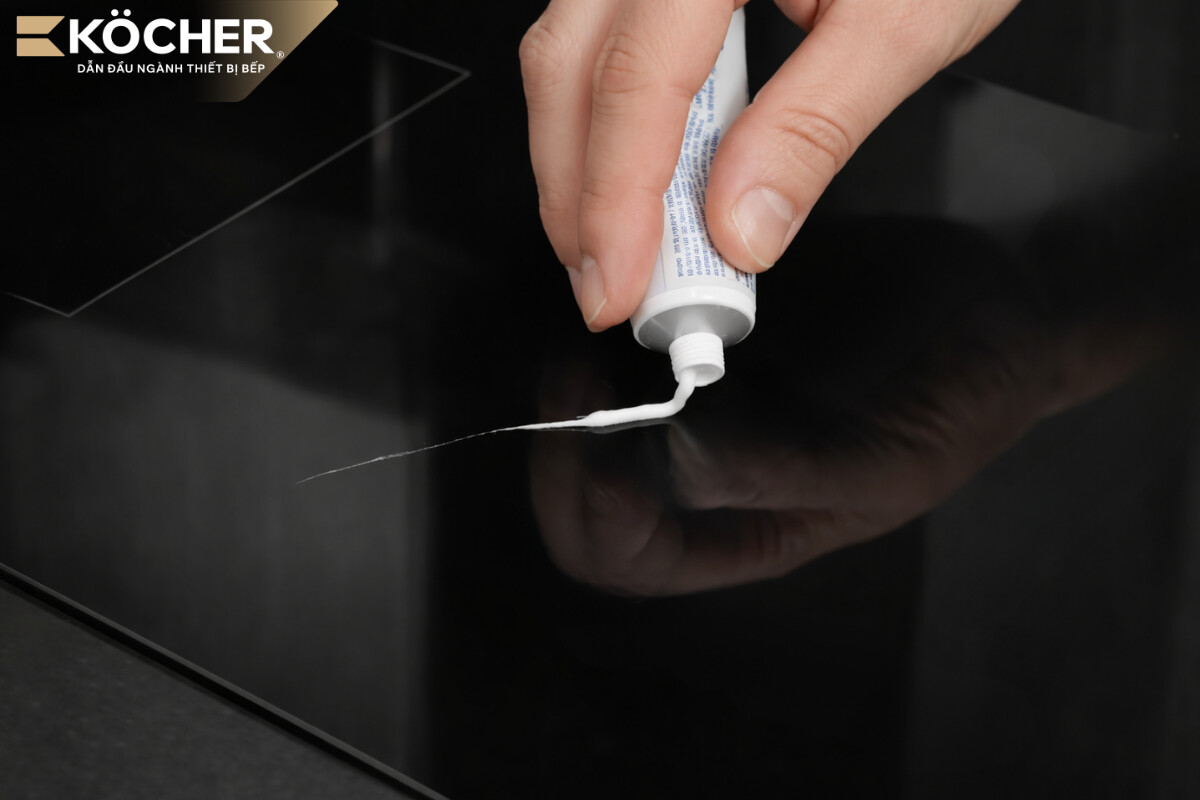
Apply a small amount of toothpaste to the scratch, then use a soft cloth to rub evenly in a circular motion for about 2-3 minutes, then wipe clean with a damp cloth. The ultra-fine abrasive particles in the toothpaste will help gently smooth the surface, making the scratches less visible and restoring the smoothness of the glass.
Do not use gel toothpaste or those containing large scrubbing beads as these can worsen the scratches. Before performing, the cooktop surface must be completely dust-free to avoid hard dust particles causing new scratches during cleaning.
Baking Soda Mixture
Baking soda is a suitable choice for more pronounced physical scratches, often formed by rough-bottomed pots or hard food debris pressed under the pot directly rubbing against the glass surface during cooking. To perform, mix baking soda with water in a 3:1 ratio to create a paste-like mixture before applying it to the cooktop surface.
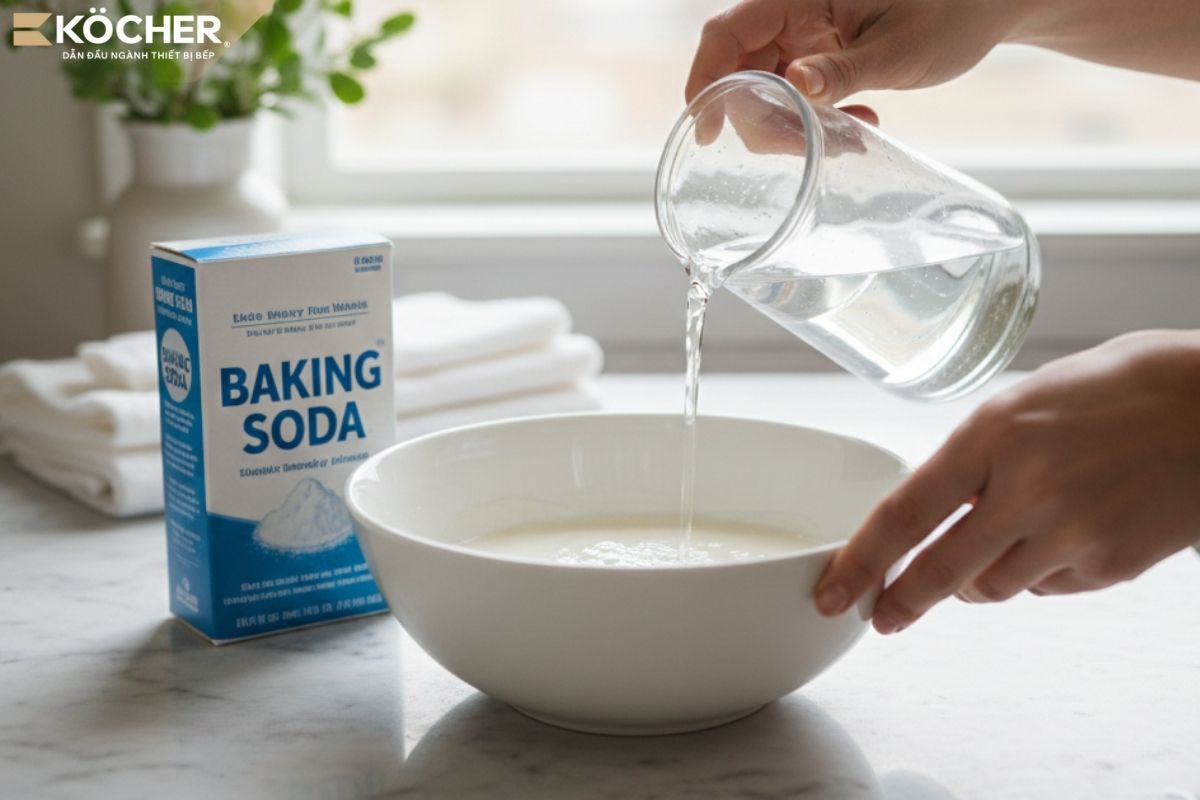
Apply this mixture to the scratched area, use a clean soft cloth to gently rub in a circular motion evenly, then wipe clean with water. Thanks to its mild abrasive properties and safe cleaning ability, baking soda will help blur the scratch grooves, making the glass surface more uniform and smoother.
Note, do not use hard objects or steel wool to scrub as this mixture is effective enough. After performing, you need to clean thoroughly to avoid dry powder remaining in the crevices of the cooktop.
Specialized Glass Polishing Cream
You should choose to buy specialized creams such as Domax, Denkmit, or Astonish that are specifically designed for ceramic glass surfaces.
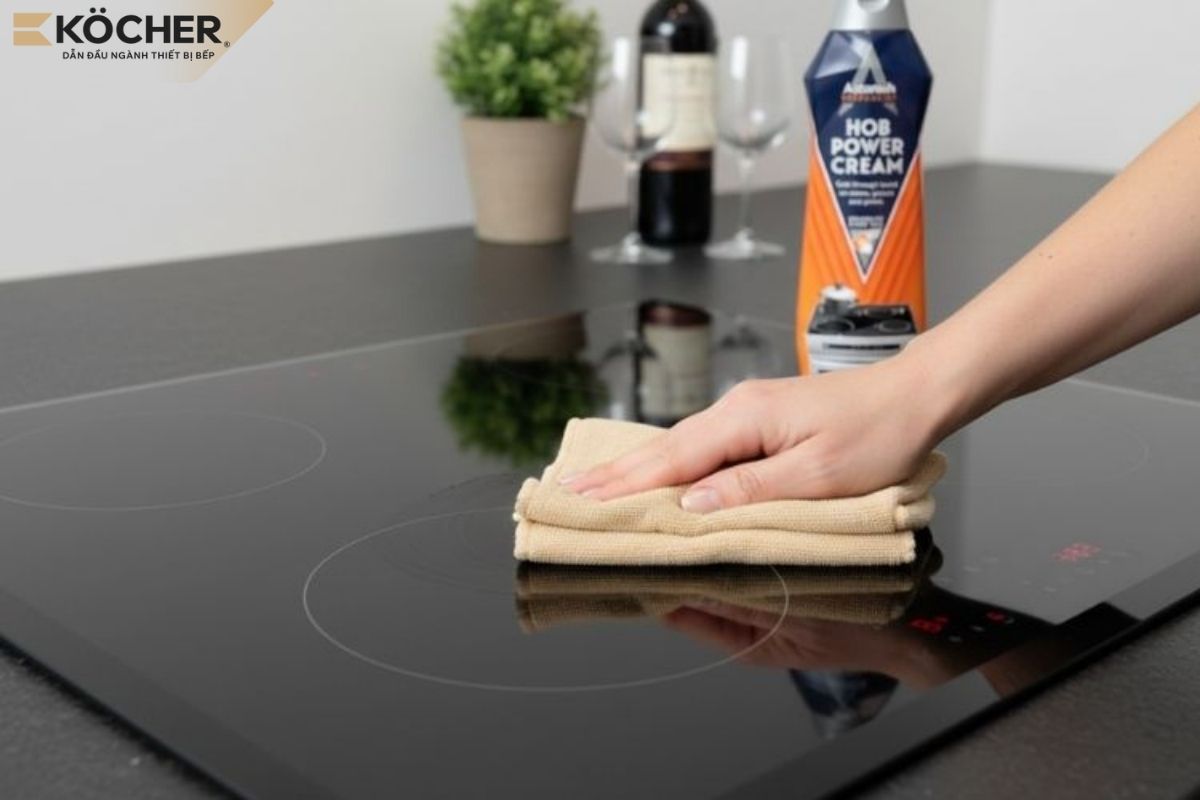
To perform, pour a small amount of polishing cream directly onto the scratch, then use the accompanying soft sponge or microfiber cloth to polish the area in a circular motion. The specially formulated chemical components in the product will fill in the tiny scratch grooves while creating a super thin protective layer that helps restore deep shine and protect the glass surface from harmful agents.
Do not use strong cleaning chemicals such as toilet bowl cleaners or highly acidic solutions as they can damage the glass surface and remove the natural shine of the cooktop. To ensure safety, you should test the cream on a small inconspicuous corner before applying it widely to ensure the product is fully compatible with your cooktop.
Above are 7 ways to keep the induction cooktop scratch-free and suggestions for some products that effectively fix scratches on induction cooktops. We hope these shares will help you gain valuable experience in caring for and maintaining the beauty of your family’s kitchen space.
|
Köcher induction cooktops pioneer German technology – For detailed product information, please contact:
|