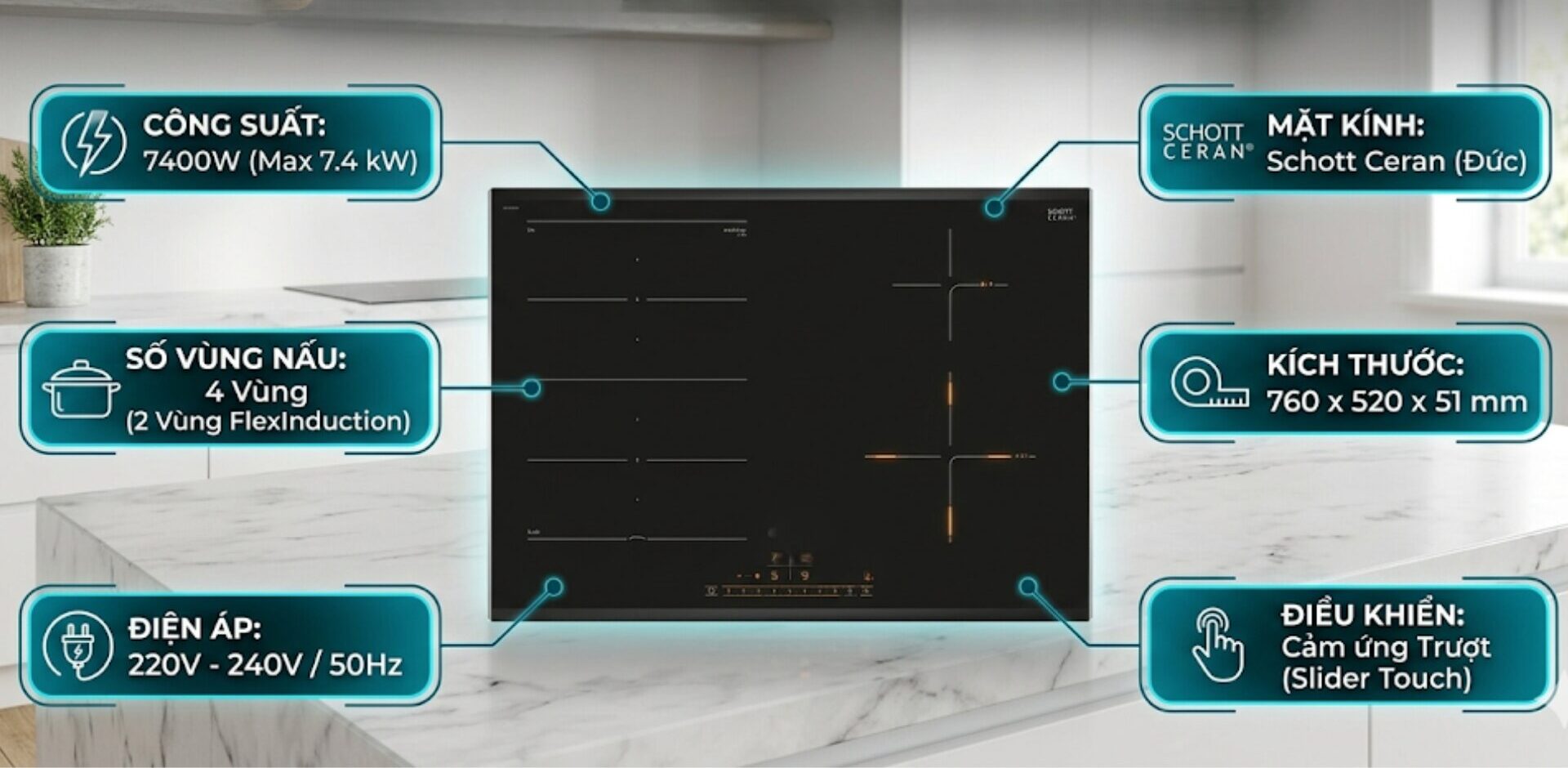
Electric stoves are becoming an increasingly popular choice in modern kitchens thanks to the advantages of electric stoves such as: higher efficiency, greater fire safety, no smoke or dust, easy to clean,… From induction stoves, infrared stoves to combined induction and infrared stoves, each type offers unique advantages suitable for various cooking needs. The following article will analyze each advantage in detail to help you understand and make the most suitable choice for your family.
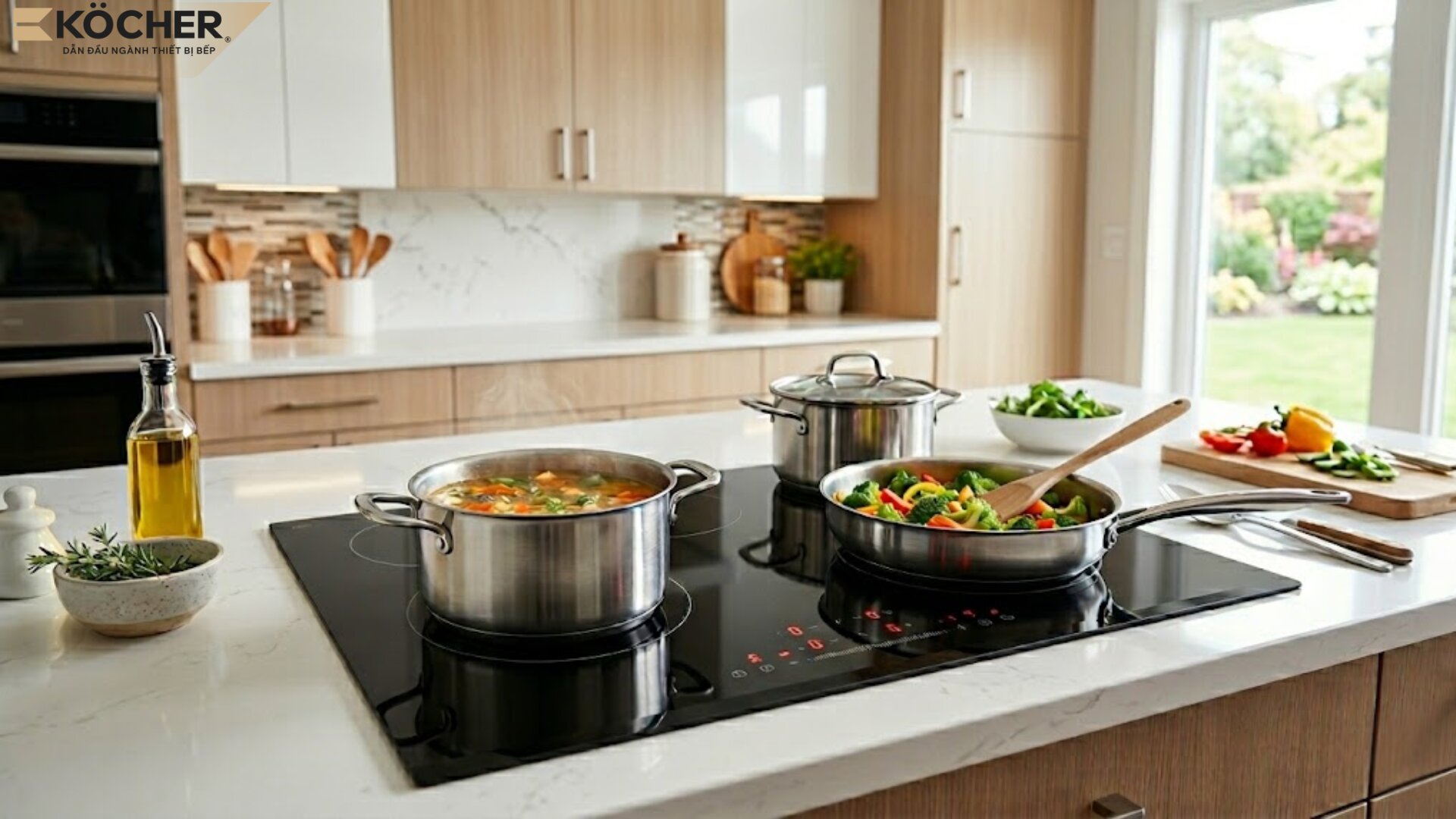
6 common advantages of electric stoves
Whether it is an induction stove, infrared stove, or a combined induction and infrared stove, all types of electric stoves possess common advantages that gas stoves do not have. Below are the 6 most prominent common advantages when using electric stoves.
High cooking efficiency
Compared to gas stoves, electric stoves convert electrical energy into thermal energy much more efficiently, with less heat loss to the surrounding environment. Specifically, induction stoves achieve an efficiency of about 90 – 95%, while infrared stoves also reach about 60 – 70%, higher than the 40 – 50% of conventional gas stoves.
Safety in use
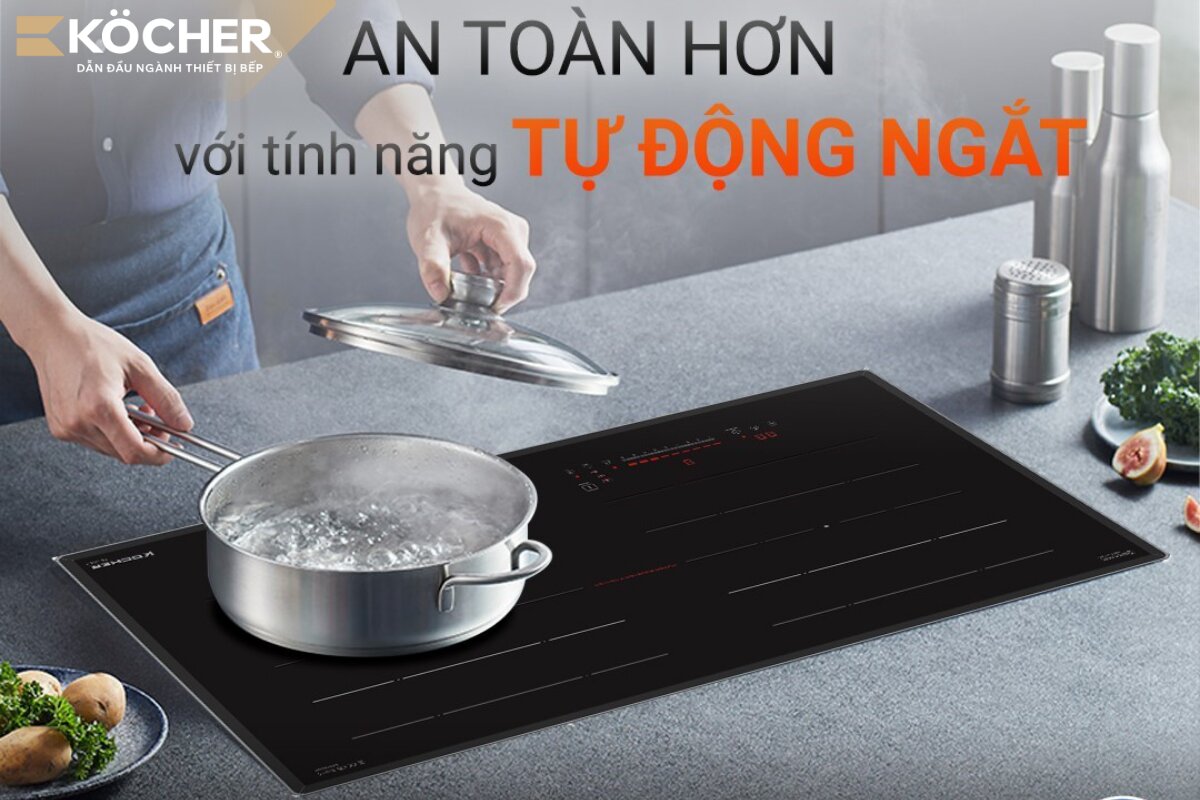
Electric stoves do not use direct flames or gas, thus completely eliminating the risk of gas leaks, cylinder explosions, or fires due to forgetting to turn off the stove. Many people transitioning from gas stoves often wonder Do electric stoves automatically turn off when overheating or boiling over. The answer is that most modern electric stove lines are equipped with temperature sensors and smart auto-off mechanisms, ensuring safety for the whole family, especially for homes with young children or the elderly.
Easy to clean
The flat, seamless glass surface of electric stoves has no gaps, edges, or stove racks like traditional gas stoves. Therefore, cleaning an electric stove only takes 1 – 2 minutes with a light wipe using a damp cloth after the surface cools, while gas stoves usually take 5 – 10 minutes due to needing to disassemble and scrub many parts.

Many smart features
Electric stoves are equipped with many convenient features that gas stoves do not have, such as cooking timers, child safety locks, precise temperature adjustments at each level, warming modes, or Booster modes. Some high-end stove lines support timer modes of up to 2 hours, allowing you to flexibly do other tasks while cooking stews or braises.
Environmentally friendly
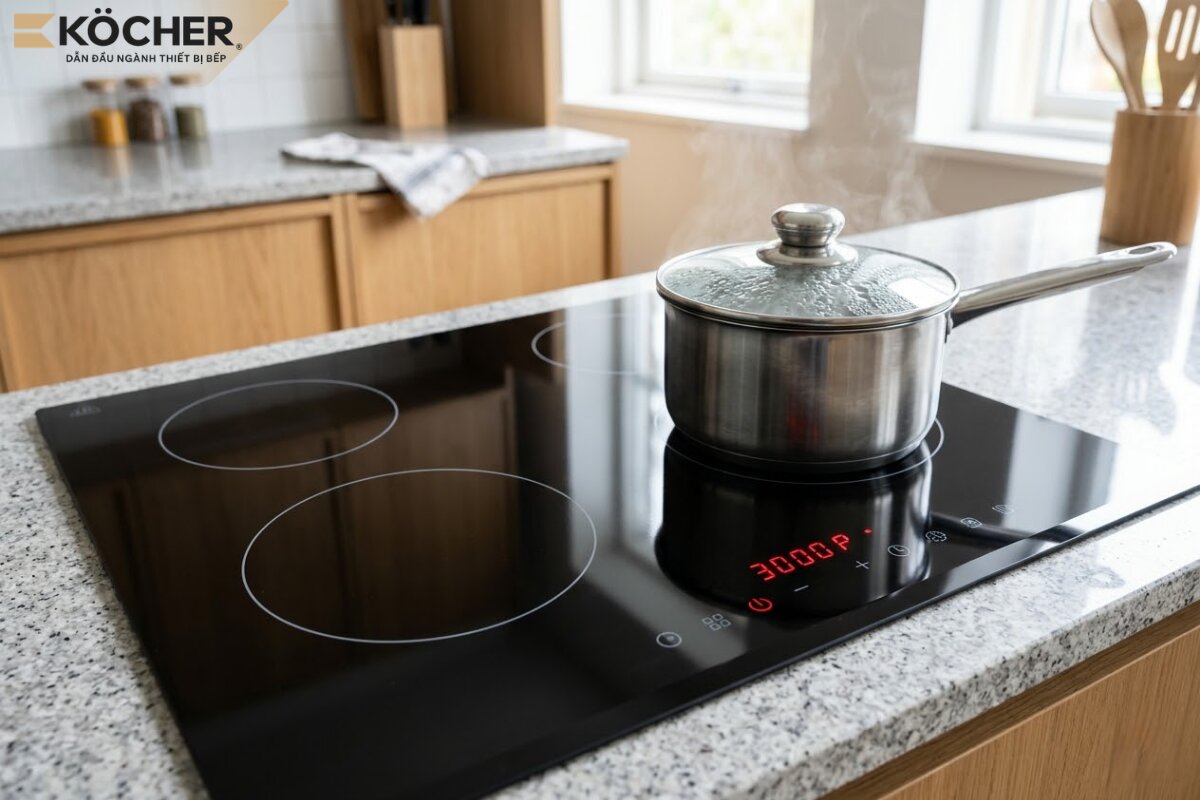
Electric stoves do not burn fossil fuels directly during cooking, thus do not emit CO, CO₂, or harmful substances into the indoor air. This significantly improves air quality in the kitchen space, which is particularly important for kitchens that lack ventilation.
Modern design, high aesthetics
Electric stoves feature a minimalist flat design with luxurious glass surfaces, easily coordinating with various kitchen interior styles from modern to minimalist. As a result, the kitchen space looks neater, larger, and more modern compared to gas stoves with many complex details.
Specific advantages of each type of electric stove
In addition to the common advantages, each type of electric stove also has specific advantages derived from different operating principles and heating mechanisms.
Induction stove
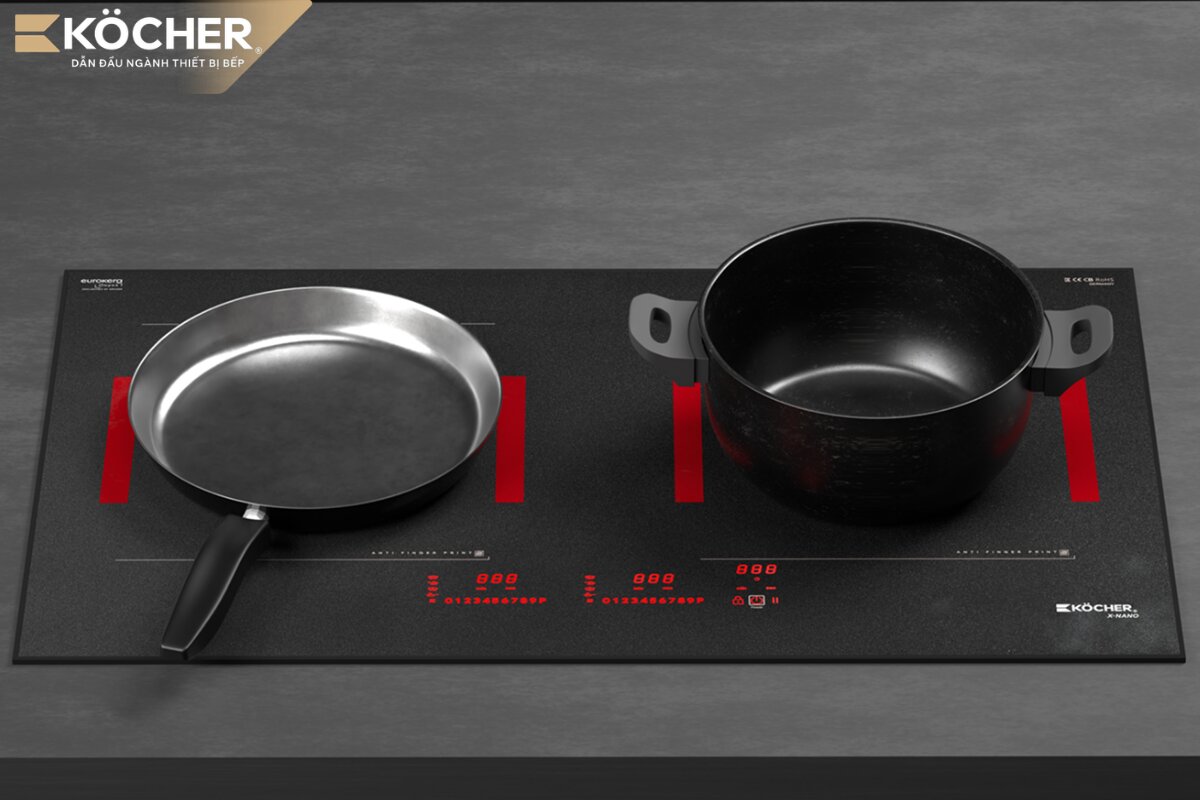
- Fastest cooking among all stove types: Induction stoves use electromagnetic induction to generate heat directly at the bottom of the pot instead of heating the glass surface first. As a result, heat is concentrated immediately into the pot, boiling 1 liter of water in just about 2 – 3 minutes, significantly faster than infrared or gas stoves.
- Energy saving: The efficiency of converting electrical energy into thermal energy of induction stoves reaches 90 – 95%, the highest among all stove types. Almost all consumed electricity is used to cook food, with no loss to the surrounding environment, helping to optimize monthly electricity bills.
- High safety: Induction stoves automatically turn off when no pot is detected on the stove surface, reducing the risk of burns and explosions, making them very suitable for families with young children or the elderly.
- Precise temperature control: Induction stoves allow for precise power adjustments at small levels, meeting the cooking requirements that demand strict temperature control, such as simmering or braising at low temperatures.
- Does not heat the kitchen space: Since thermal energy is generated directly at the bottom of the pot, induction stoves do not significantly increase the surrounding temperature in the kitchen environment, making them very suitable for the hot and humid climate in Vietnam.
Infrared stove
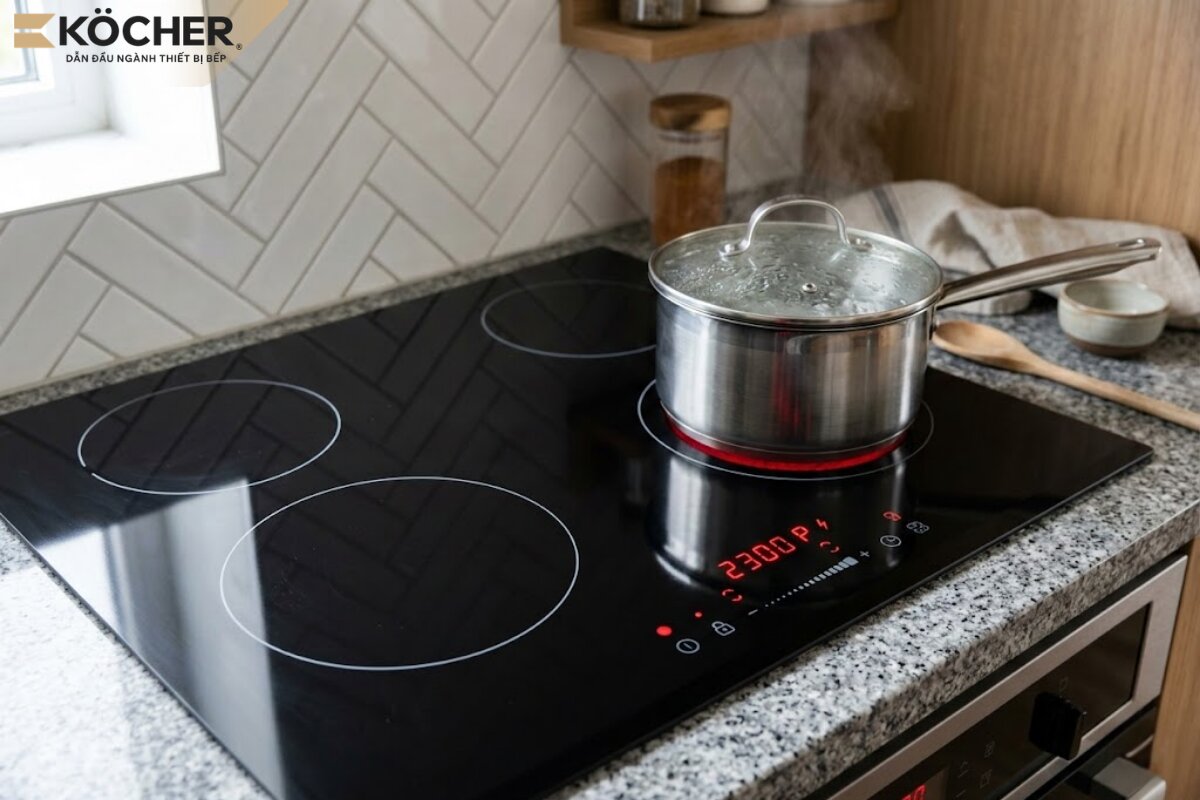
- Compatible with all pots: Infrared stoves transfer heat through infrared radiation, so they are compatible with most types of pots and pans: aluminum, clay, heat-resistant glass, ceramic, or stainless steel. If you are looking for an answer to the question Which electric stove does not require specific pots to utilize your family’s traditional cookware, then the infrared stove is the perfect answer.
- Can grill directly on the stove: Thanks to the glass surface being heated to high temperatures, infrared stoves can be used to grill thin foods such as bread, shrimp, and thin meat without needing a pan. However, you should use a grill rack or aluminum foil to protect the glass surface and make cleaning easier.
- Stable operation with various power sources: Infrared stoves use electric current to heat the heating coil or halogen bulb (heating element) to generate heat. Therefore, whether the voltage is low or high, the stove can still emit heat and cook normally.
- Can utilize residual heat: After turning off the stove, the glass surface retains high temperatures for several minutes. Therefore, you can use this heat to keep food warm or cook stews or braises without consuming additional electricity.
- Lower initial investment cost: The price of infrared stoves is usually lower than that of induction stoves in the same segment, suitable for families looking to save on initial investment costs.
Combined induction and infrared stove
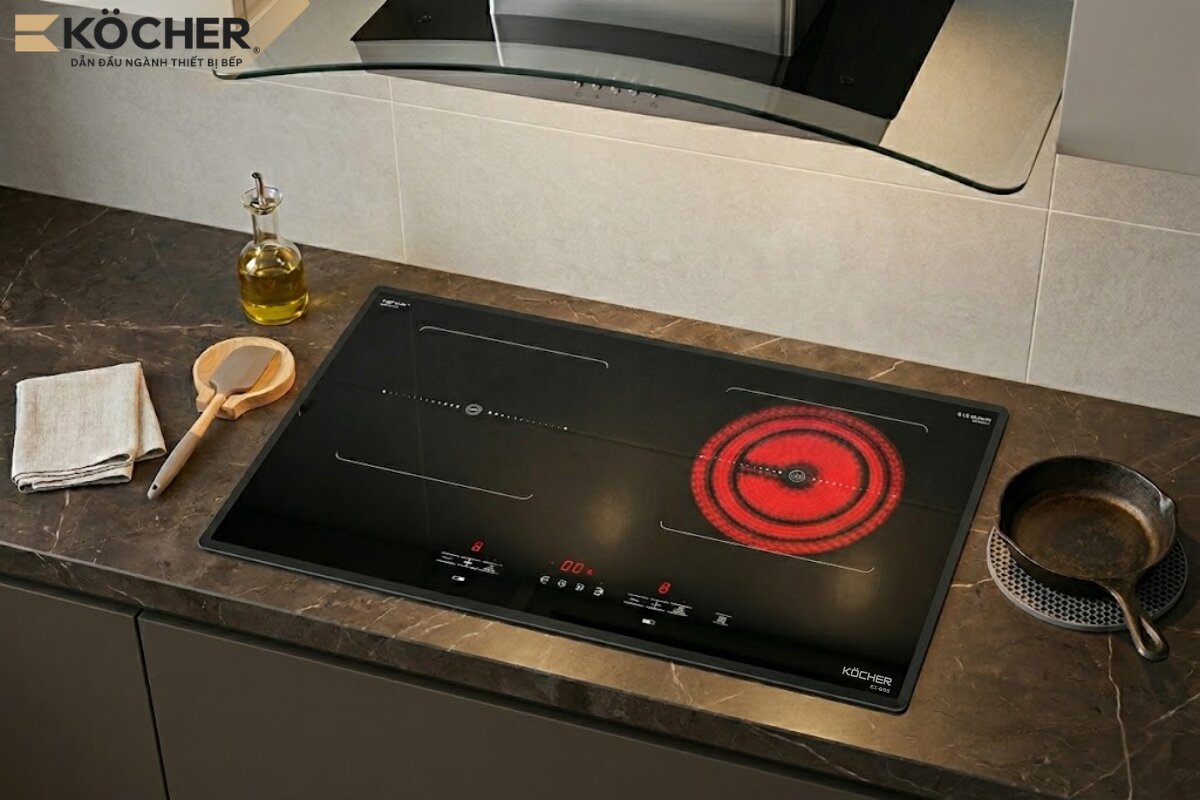
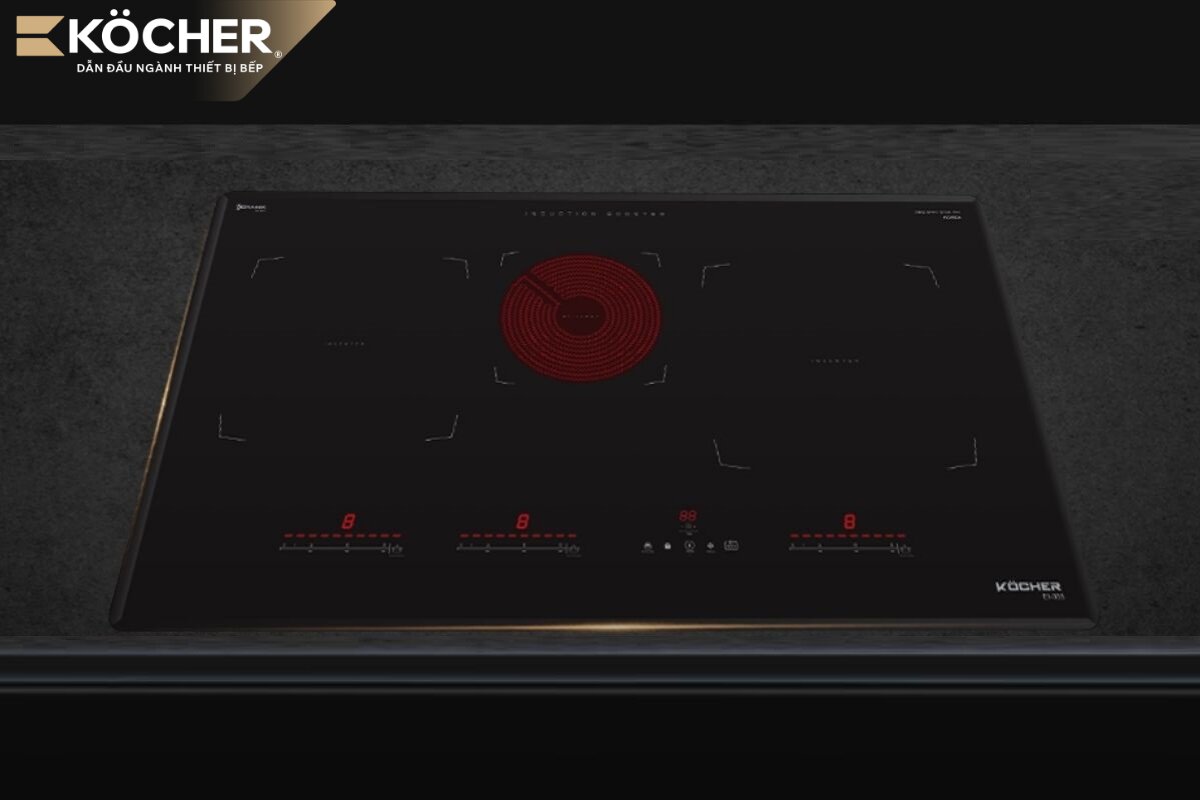
- Combines many advantages of both types: Combined induction and infrared stoves integrate one induction cooking zone (fast cooking, energy-saving) and one infrared cooking zone (compatible with all pots, even heat distribution) on the same glass surface. Users can flexibly choose the cooking zone suitable for each type of pot and each dish.
- Optimizes costs: Instead of having to replace the entire set of pots and pans, families can utilize their old pots (aluminum, ceramic…) on the infrared zone while adding induction-compatible pots for the induction zone, significantly reducing initial purchase costs.
- Suitable for multi-generational families: Grandparents and parents who are accustomed to using traditional clay or aluminum pots can still use the infrared zone, while younger members can take advantage of the induction zone for faster cooking.
- Maximizes use in various cooking situations: When needing to boil water or stir-fry quickly, using the induction zone will showcase its advantages. When needing to grill or use non-induction pots, you can utilize the infrared zone.
Should you buy an electric stove?
You should use an electric stove, but which type of electric stove is suitable will depend on your cooking habits, budget, and the pots you currently have. Below is a quick analysis to suggest your choice:
- Induction stove is a suitable choice if you prioritize long-term energy savings, fast cooking, and ensuring safety for families with young children or the elderly. The investment budget is usually higher, ranging from 1 – 20 million VND depending on the segment, and you need to have compatible pots for induction cooking.
- Infrared stove is suitable if you want to keep your old pots (aluminum, ceramic, heat-resistant glass) and do not need to cook too quickly. This is also a cost-effective initial investment option, suitable for budgets from 500,000 – 10 million VND. However, you need to consider that monthly electricity costs will be higher than for induction stoves.
- Combined induction and infrared stove is the most flexible option for families with multiple members, having a variety of pots and diverse cooking needs. The investment cost is usually higher than that of infrared stoves, but in return, you can cook faster and prepare a wider variety of dishes.
Frequently asked questions when learning about electric stoves
Which type of electric stove saves the most energy?
Induction stoves are the most energy-efficient among the three types of electric stoves, with an energy conversion efficiency of 90 – 95%. This is because heat is generated directly at the bottom of the pot instead of having to heat through an intermediary glass layer.
Which type of electric stove cooks the fastest?
Induction stoves are the fastest cooking type among all electric stove lines today. Induction stoves can boil 1 liter of water in just about 2 – 3 minutes, while infrared stoves usually take 5 – 7 minutes for the same amount of water.
Should you buy a combined stove?
You should buy a combined induction and infrared stove if you want to cook quickly, utilize old pots, and have diverse cooking needs.
Should you buy an electric stove or a gas stove?
You should buy an electric stove if you prioritize safety, fast cooking, and long-term savings due to high efficiency, low heat loss, and no risk of fire or explosion like gas stoves. Conversely, if you need a lower investment cost, do not depend on electricity, and want flexibility with pot types, then a gas stove is a more suitable choice.
Above is a summary of the advantages of electric stoves by type: induction stoves, infrared stoves, and combined induction and infrared stoves. Each type has its own advantages, and choosing the right type that fits your actual needs will help you maximize cooking efficiency, save energy in the long run, and ensure safety for the whole family.
If you are looking for high-quality electric stove products and aiming for Safe Electric Stoves, please refer to Köcher’s products. As a leading brand in the kitchen equipment industry with E.G.O standard German components, Köcher proudly offers durable and high-class cooking solutions for your family.
|
Köcher induction stoves pioneer German technology – For detailed product information, please contact:
|