Sharing Corner

How to clean the outside of pots and pans in just 5 simple steps

Imported induction cookers are increasingly loved and widely used in Vietnam due to their beautiful design, many smart features, high durability, absolute cooking safety, good energy savings, and enhancing the aesthetic appeal of the kitchen space. Moreover, imported induction cookers also somewhat reflect luxury and class, serving as a basis for guests and friends to assess the economic status of the homeowner when visiting the kitchen. Let’s find out which imported induction cookers are good, their features, characteristics, designs, and prices before making a purchase!

Are you looking for ways to clean the outside of pots and pans? Stains and hard residues that you can’t handle with regular cleaning methods, right? If you are looking for a method:

  • Cleaning stainless steel pots and pans
  • How to clean the bottom of a frying pan
  • How to scrub pots and pans to shine
  • How to remove soot from pots
  • Tips for cleaning pots and pans
  • How to clean yellowed stainless steel pots

Below is the perfect answer.

How to clean the outside of pots and pans

How to clean the outside of pots and pans

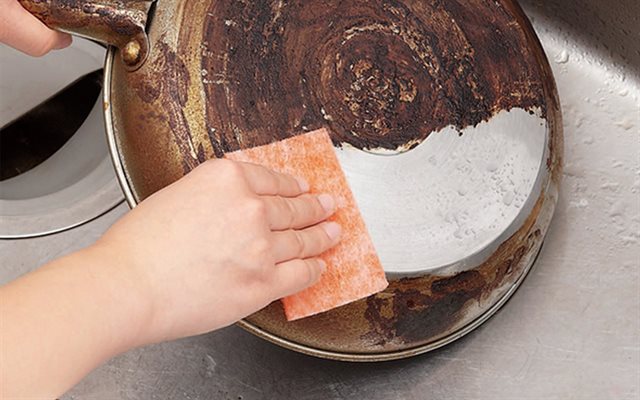
There are many ways to keep pots and pans shiny, but scrubbing pots to shine without damaging the cooking surface, especially for pots used on induction cookers, is not an easy task. Below, we share with you how to clean the outside of pots and pans, making them look like new with 5 steps without harming the surface that you should refer to.

See more:

5 steps to clean the outside of pots and pans

Preparation:

  • Sponges or mesh dishwashing pads.
  • Baking soda
  • Dish soap
  • Tomato sauce
  • Hot water

Performing the soot removal method

Step 1: Fill the sink with hot water, add dish soap. Add 2 tablespoons of baking soda to the water and stir by hand to dissolve all substances in the water into a solution.
Step 2: Place the pots and pans into the dissolved water solution and scrub with a sponge. Pour more baking soda onto the stains on the outside of the pots and pans, and scrub with a cleaning tool. This can be a sponge dish scrubber or a mesh dishwashing pad.
Step 3: Rinse the pots and pans in hot water and dry with a dish towel.
Step 4: Continue to use 2 to 3 tablespoons of tomato sauce soaked into a paper towel and scrub any stains on the outside of the pots and pans. You can pour tomato sauce over the surface and let it sit for about 20 minutes before scrubbing with clean water. The acids in the tomato sauce will dissolve the stains on the pots and pans.

Step 5: Rinse the tomato sauce from the pots and pans. You should rinse with hot water mixed with dish soap to ensure maximum effectiveness compared to rinsing with cold water. This is an effective way to clean the outside of non-stick pans and induction pots, minimizing scratches and damage to the bottom surfaces of pots and the non-stick surfaces of pans. Ensure the durability and newness of the pots and pans. Although this method may be a bit complicated, it is very effective and is a cleaning tip worth applying.

Tips for scrubbing pots and pans to shine for each material

There are many ways to make pots and pans shine that you can apply in cleaning cooking utensils as follows to reduce cleaning time, allowing more time with family, children, and beauty.
  • How to clean the outside of ceramic pots using Baking soda and dish soap
  • Non-stick pots and pans should use the cleaning method with Bar Keepers Friend cleaning powder for the outside
  • How to remove soot from cast iron pots and pans should be cleaned with baking soda mixed with a little water and Bar Keepers Friend
  • Clean stainless steel pots and pans with Bar Keepers Friend cleaning powder
You should only apply the soot cleaning methods with the correct formulas above, and limit the use of specialized pot whitening cleaners. Because these types of cleaners often have very strong reactions in cleaning, affecting the health safety of members and damaging the lifespan of cooking utensils.

Important notes when cleaning the outside of pots and pans

  • Never soak cast iron or aluminum pans for too long in dish soap; it can cause rust, oxidation, and make pots and pans damaged, ugly, and more prone to deformation.
  • After applying the methods to clean the outside of pots and pans, pour about a tablespoon of oil into the pan and a teaspoon of salt. Scrub the pan thoroughly with this mixture using a paper towel until you have a shiny pan. (This helps protect the pan and keeps food from sticking to the pan after cooking)
  • If your pots and pans have a thick accumulation of dirt, yellowing, and cannot apply any outside cleaning methods. You can use a specialized scraping tool to remove stubborn stains. Do not use on pots with enamel-coated bottoms or flat pots for induction cookers. Because it will scratch, dull the surface, and cannot be cooked on induction cookers.
  • Limit the use of steel wool, as they can scratch the bottom surface of pots and pans and make stains stick more tightly to the scratches. Or these scratches can collide, rub against the surface of imported induction cookers, causing cracks, and losing the aesthetics of the glass surface.
  • Bleach or pot whitening powder containing Ammonia can cause pots and pans to create dents on the surface, easily causing cooking utensils to warp and bulge.
  • Limit the use of specialized cleaning agents that make stainless steel pots shiny, containing strong alkalis, a corrosive substance that can cause discoloration.
  • Chlorine bleach will corrode aluminum materials and cause discoloration for pots and pans.

I believe that simply applying the above method to clean the outside of pots and pans will help you easily clean your cooking utensils like new. The most important thing is that after each cooking session, you should clean or handle immediately so that stains, food residues do not have a chance to stick to the pots and pans anymore.

post related

Decoding 11 important technical specifications of induction hobs when choosing to buy a stove

Understanding the technical specifications of induction hobs is the first step to choosing the right hob that truly fits your kitchen and your family’s cooking habits. The article below will help you decode each important specification in the easiest way, from size, power to the material of the glass surface and international safety certifications. Summary [...]
Sharing Corner

What is a smart induction hob? 11 essential features for induction hobs

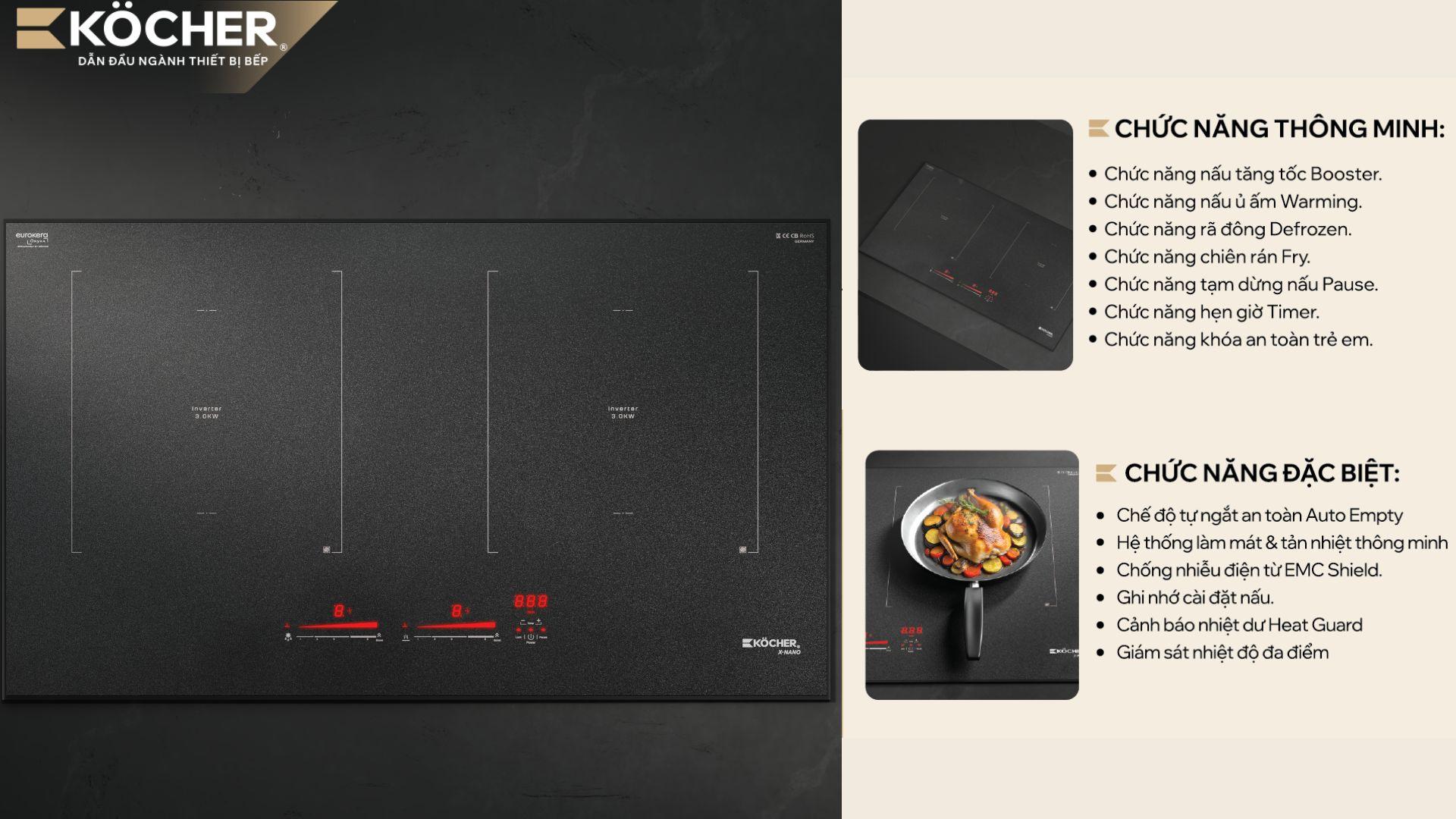
Smart induction cookers are a line of premium induction cookers integrated with modern technologies such as sensors, automation, wireless connectivity, remote control… ensuring safe cooking and enhancing user experience. Below is a summary of 11 essential features and suggestions for some worthwhile induction cooker products. 2 groups of smart features on induction cookers today To [...]
Sharing Corner

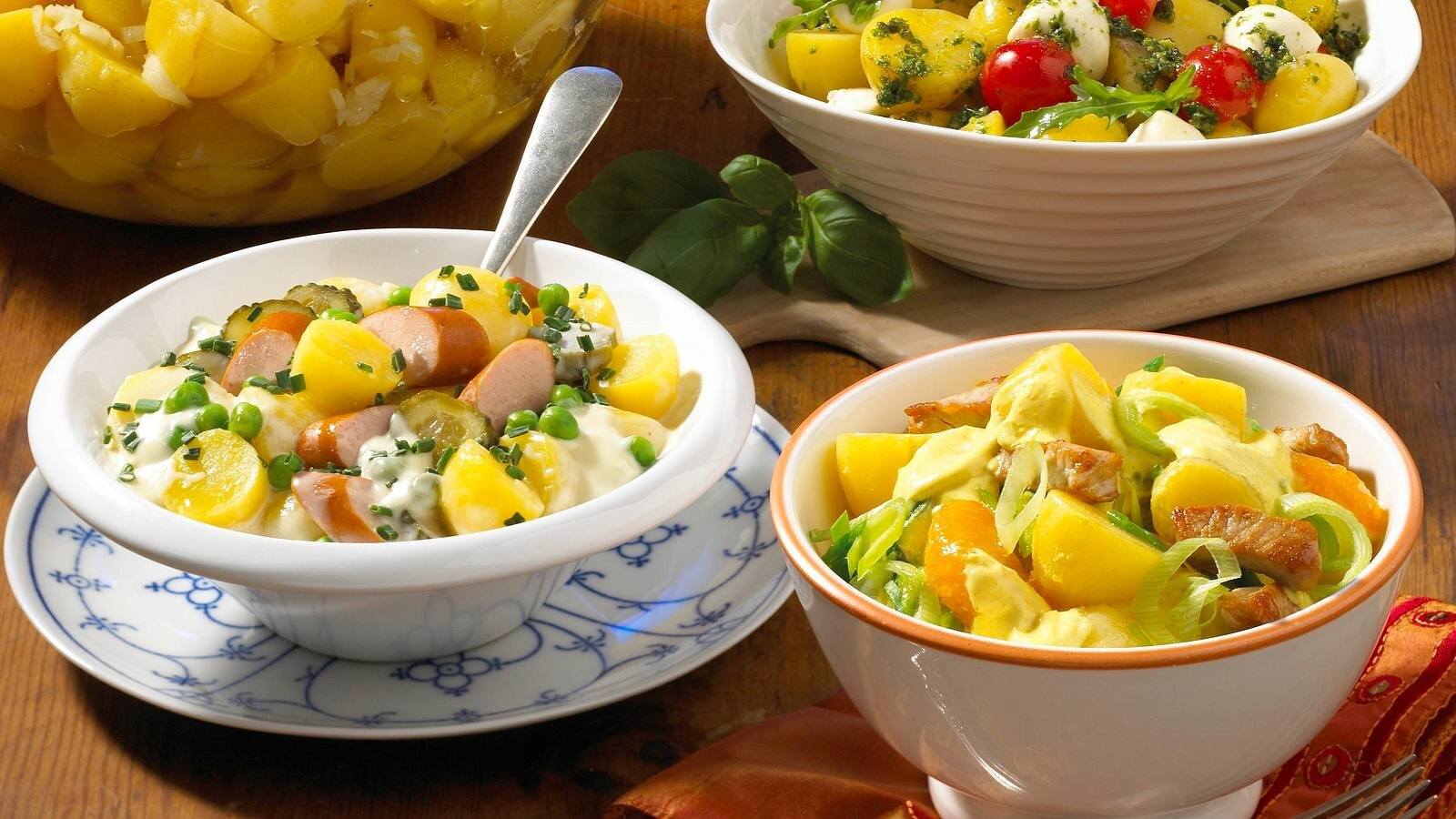
German-style potato salad: 3 authentic recipes with Köcher

German Potato Salad (Kartoffelsalat) is not just a side dish – it is the soul of German meals for 200 years. This article from Köcher will summarize the 3 most classic variations from two different regions of Germany, clearly explaining the secrets behind the distinctive sweet and sour flavor that no two lines are alike [...]
Sharing Corner

2 authentic German potato pancake recipes Kartoffelpuffer

Kartoffelpuffer – the crispy potato pancakes of German cuisine are appealing thanks to their golden, crispy exterior and soft, fragrant potato interior. This article from Köcher will guide you through two original recipes from the book Great German Recipes, explaining each step to maximize the performance of the Köcher induction hob. Summary of content:   [...]
Sharing Corner

Sauerbraten recipe: tender, flavorful German-style vinegar-marinated beef

Sauerbraten is a national treasure of German cuisine – even the toughest beef becomes tender after being marinated in vinegar for 3 to 6 days, then slow-cooked until the brown sauce is thick and glossy. This article from Köcher will guide you step by step in preparing authentic Sauerbraten, explaining the secrets behind the marinating [...]
Sharing Corner

German-style Sauerkraut recipe

Sauerkraut – German-style fermented cabbage is one of the oldest food preservation techniques in Europe, and in German cuisine, it appears everywhere: from side dishes with grilled sausages to luxurious stews alongside roast duck. This article from Köcher will guide you on how to make authentic Sauerkraut. Main content summary: Sauerkraut is not just pickled [...]
Sharing Corner