1 – How to clean grease on the kitchen hood
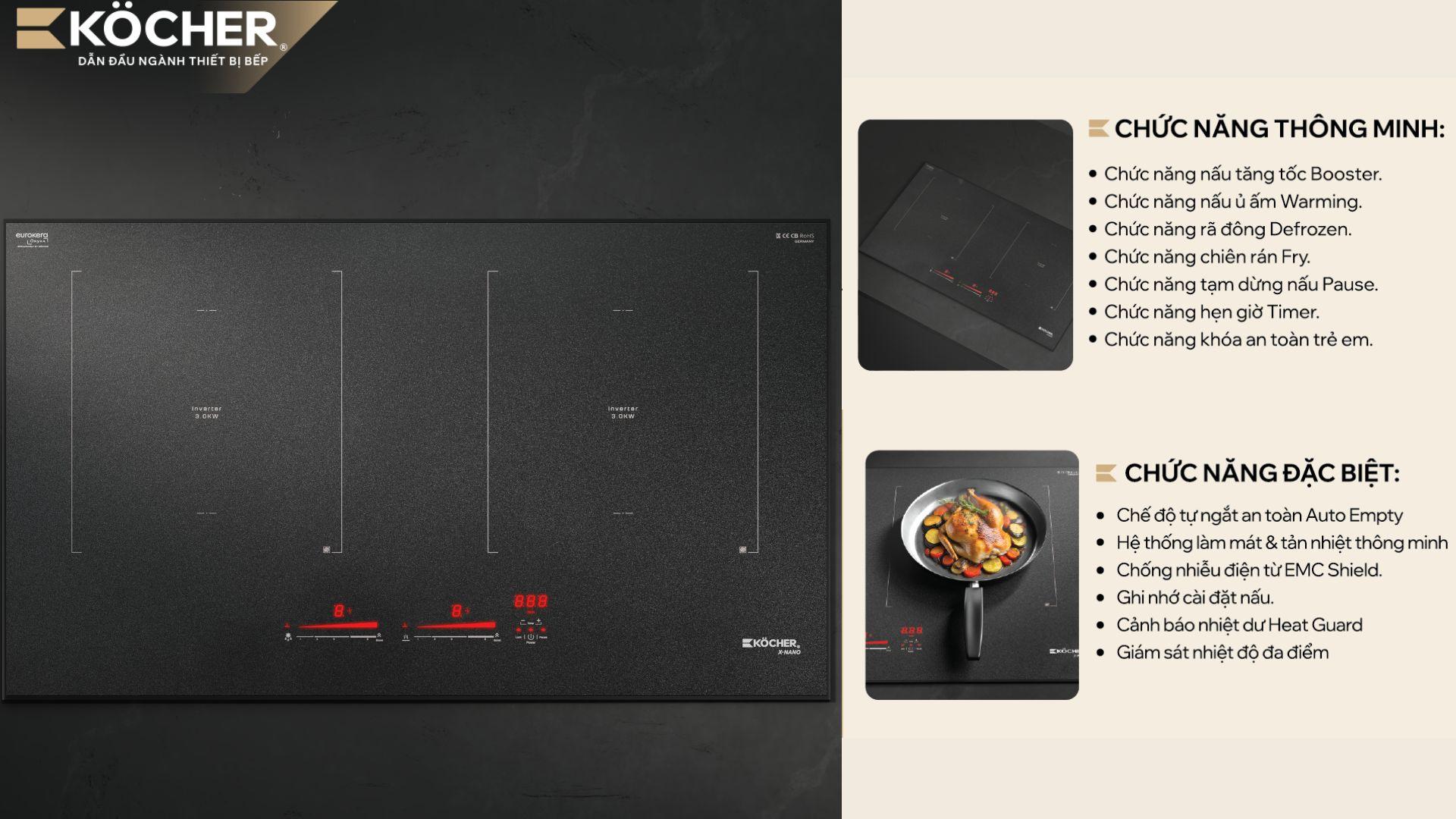
This device effectively removes odors from all types of stoves such as induction, gas, infrared, etc., making the kitchen airy, eliminating unpleasant food odors, and returning fresh, clean air to the whole family. (See more:
How to clean induction cooktops with readily available ingredients)
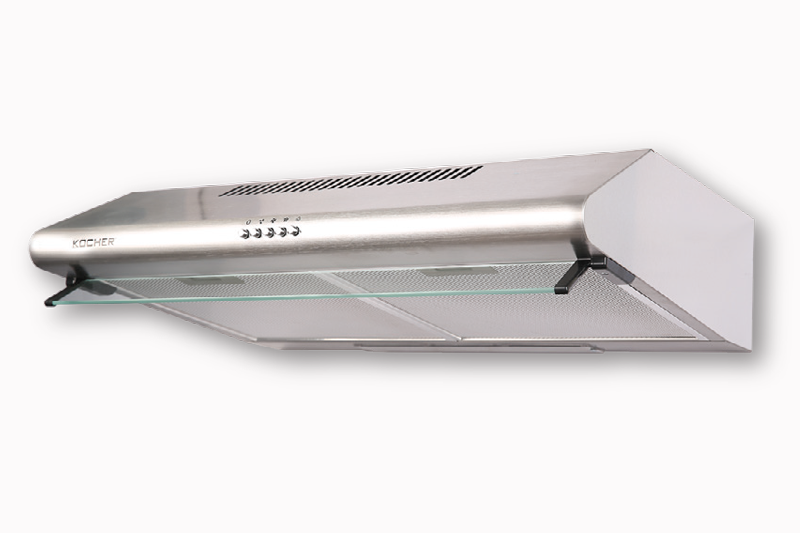
So what is the most effective, quick, and simple way to clean grease on the kitchen hood?
There are many ways to clean long-standing grease on the kitchen hood. Before proceeding, you should use a large raincoat or plastic sheet to cover the surface of your gas or induction cooktop. This prevents dirt and water from the kitchen hood from affecting the cooktop. Here are the basic steps you need to follow to clean it.
Wipe off grease and dirt on the outside of the kitchen hood
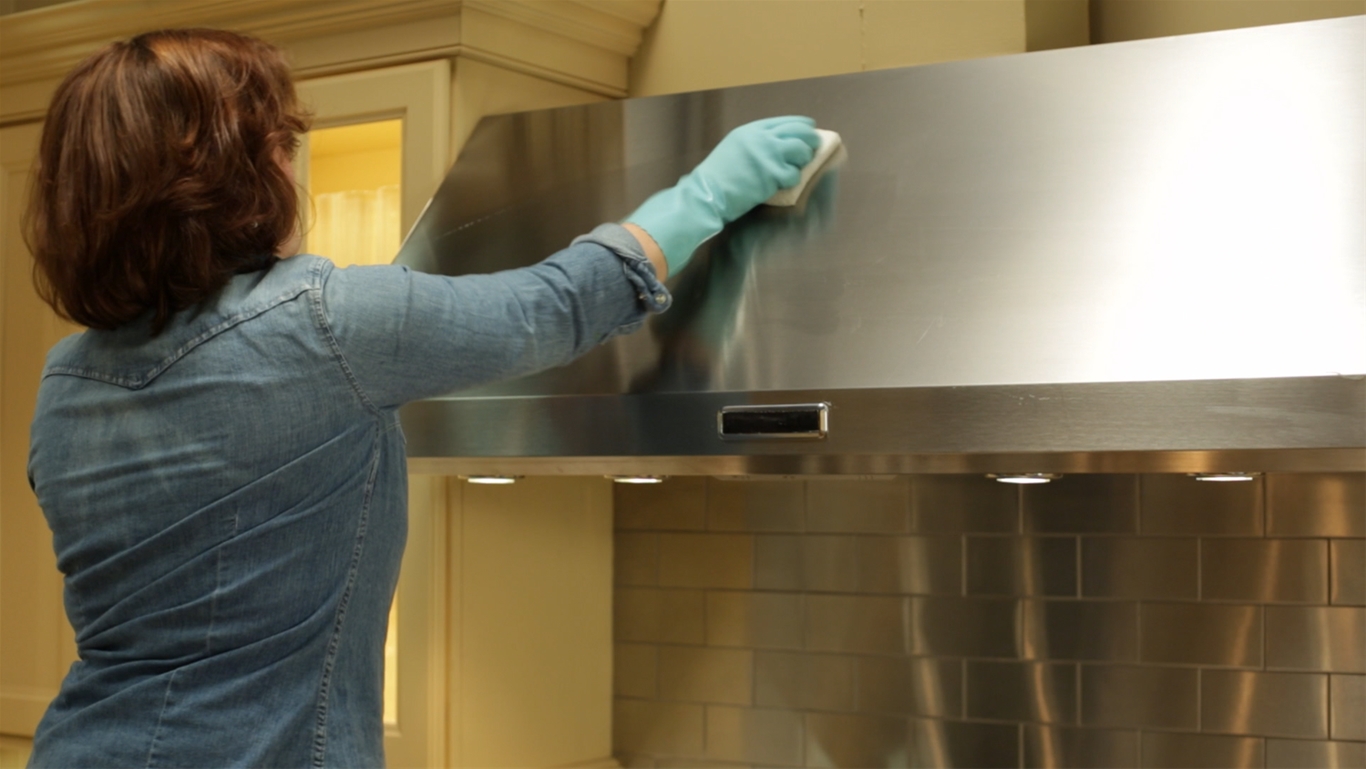
Note when using this method to clean grease on the kitchen hood: If you use a strong chemical cleaning solution, try cleaning a small corner of the kitchen hood first to check if this method is suitable for your kitchen hood.
>>> See more: The best Japanese and German induction cooktop cleaners
Clean all stains from the underside of the kitchen hood.
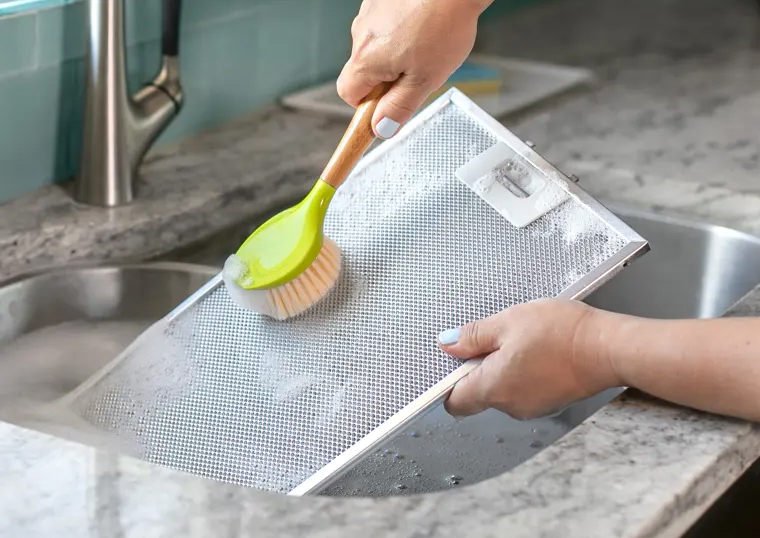
Since the surface of the kitchen hood is a mesh with very small holes, it is very difficult to clean or remove long-standing grease stains. You should use a small, soft-bristled brush to scrub.
You should also mix a specialized grease cleaner with warm water to create a concentrated cleaning solution. Dip the brush into the solution and start scrubbing evenly on the surface of the kitchen hood.
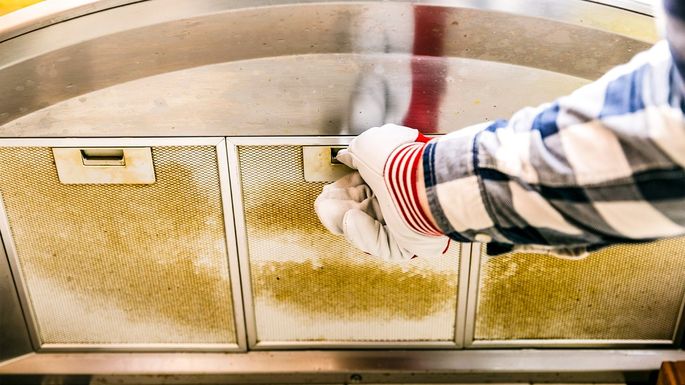
To remove long-standing grease stains with baking soda, you need to add a little warm water to the baking soda, turning it into a paste and applying it to the underside of the kitchen hood, then wait for half an hour or longer. Baking soda will soften the accumulated grease, helping you scrub and remove these stubborn stains more easily.
Remove the filter and clean it
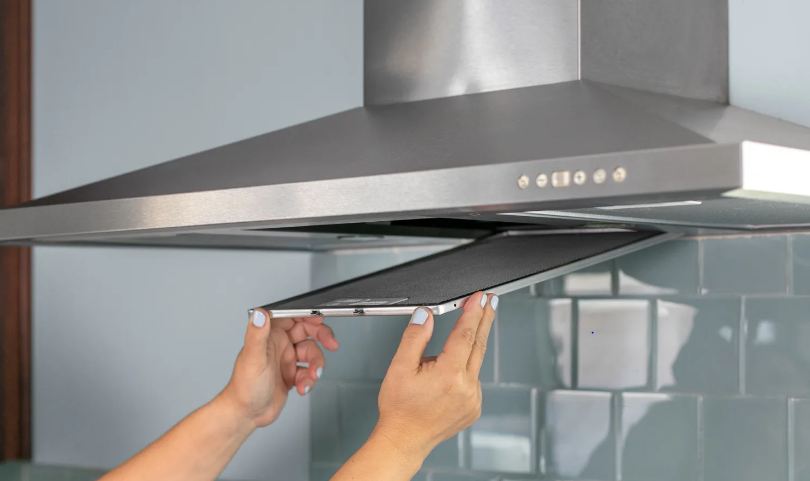
After 15 – 20 minutes, when the water has cooled down, the stains will have softened. You can use a brush to scrub and clean the filter easily. Note, you only need to scrub gently to avoid damaging the filter. You can replace the cleaning solution with warm water for scrubbing if necessary.
How to clean long-standing grease on walls
If the cooking wall area is made of glass or smooth ceramic tiles, cleaning is extremely simple. But if the wall is made of lime, mortar, cement, or wood, this is indeed a challenging problem. However, the following formula will help you eliminate all stubborn stains regardless of wall type.
You need to prepare:
- Paper towels
- Warm water
- Soft paper towels, clean cotton towels
- Dish soap, kitchen grease cleaner
- Sponges
- 1 cup of baking soda
- White vinegar.
- Spray bottle
The method for wiping grease stains on the walls is extremely simple. First, use paper towels to remove any grease stains on the wall surface. Then soften the remaining stubborn grease stains with warm water.
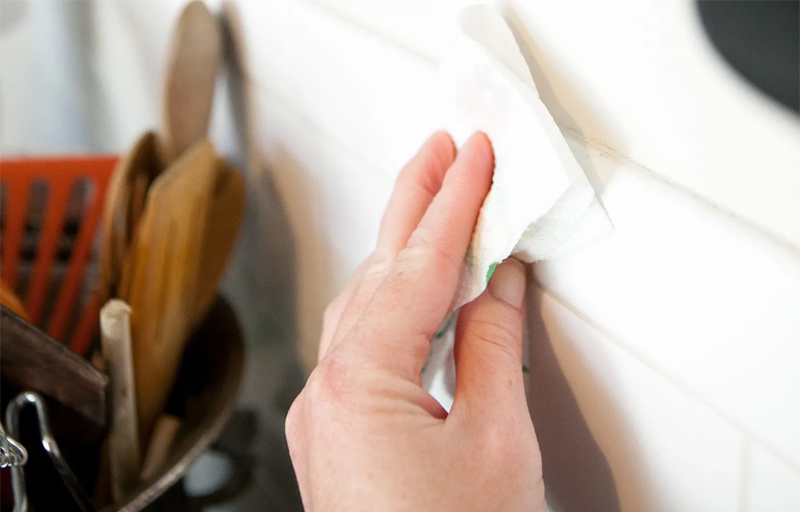
Next, mix dish soap with warm water, dip a sponge into the solution, and start scrubbing. Wipe the walls in a circular motion. If the stubborn stains are not cleaned, you should mix the cup of baking soda with warm water to make a paste. Apply it to the wall or the area with stubborn grease stains. Leave it for about 5-10 minutes to soften the stains. Then use a sponge or cloth to wipe clean.
To remove long-standing grease stains on the walls completely, you should mix white vinegar with warm water, put it in a spray bottle, and spray it on the walls. Use a cloth to wipe away any remaining stains.
Finally, use a soft cotton towel, dip it in warm water, and gently wipe again. Then dry the surface with a clean towel, and you’re done.
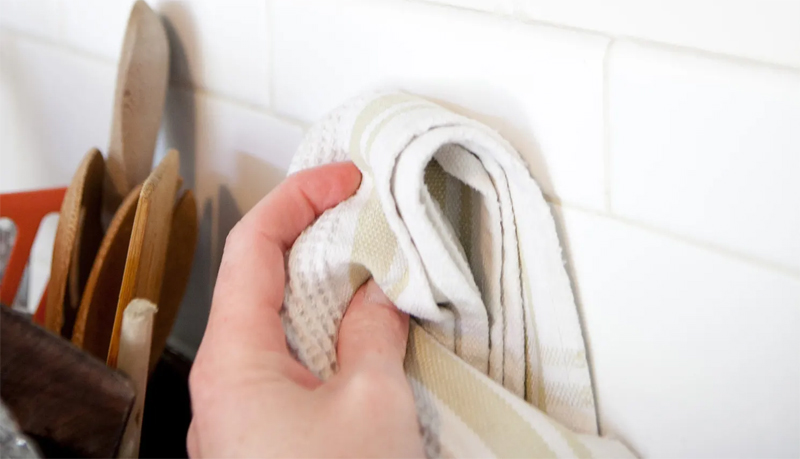
This method of cleaning long-standing grease on walls can be applied to any surface, whether it is wood, ceramic tiles, painted walls, or glass walls,…
How to clean cooking oil on the floor
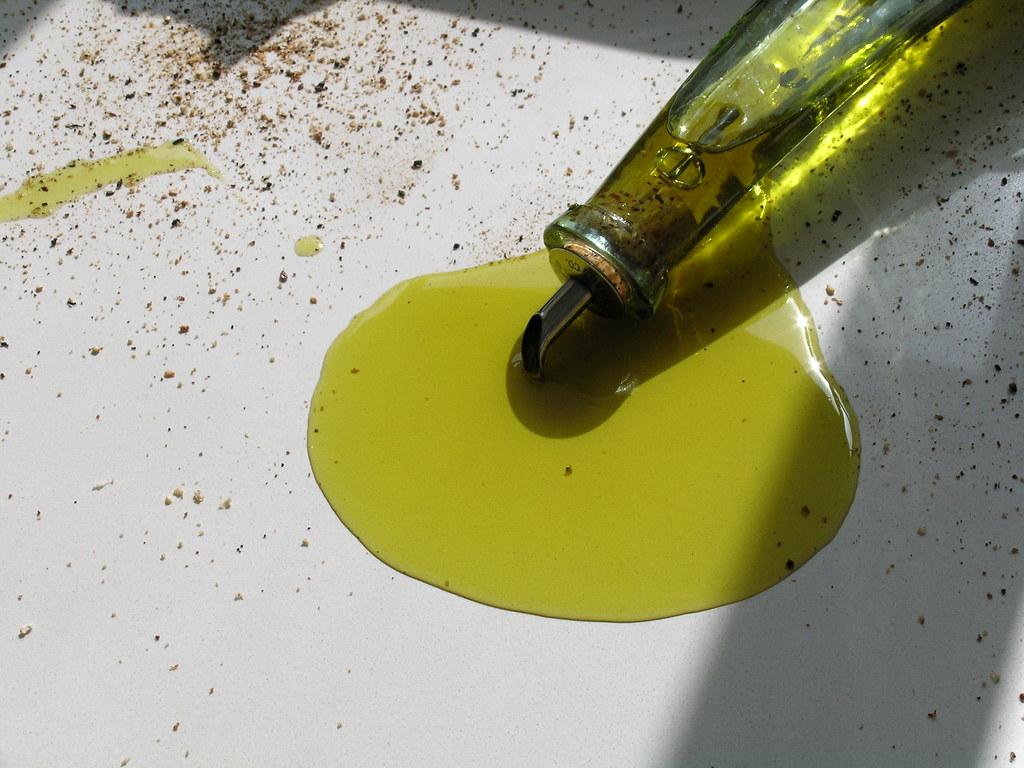
Quickly address oil stains on the floor, as they can make it slippery, causing you and others to fall. Or if it is a wooden floor, it can damage your wooden floor, leading to mold and loss of aesthetics.
- Paper towels, old newspapers
- Clean cloth
- Protective gear: slip-resistant shoes, gloves, tongs, small shovel or dustpan
- Bread, flour, cornstarch, sand, salt, baking soda…
- Broom, mop, fabric roller
- Dish soap, kitchen grease cleaner, clean water, and warm water
Step 1: If there are any broken pieces. Be sure to wear shoes and gloves to pick them up or remove them with tongs for safety when handling glass, ceramic, or porcelain shards. Wrap these broken pieces in old newspaper carefully to avoid tearing the trash bag.
Step 2: Identify the area of the oil spill on the floor, sprinkle cornstarch, flour, sand, or baking soda on it. Let these powders absorb the oil for about 10 – 15 minutes.
Step 3: Use a small shovel or dustpan to scoop up the materials that have absorbed the oil and throw them in the trash. If the oil is still not completely clean, you can repeat step 2 a few times, sprinkling more cornstarch or flour.
Step 4: When you see that only a little oil remains on the floor, you can use bread or paper towels to wipe it again. Bread is an essential ingredient in the method for cleaning cooking oil on the floor.
Step 5: Mix dish soap or kitchen grease cleaner with warm water, use a clean cloth soaked in this solution to wipe the oiled area on the floor. Wipe repeatedly until the floor is no longer slippery from the oil. Note, if it is a wooden floor, try wiping a small area first to check if the cleaner affects the wood floor.
Step 6: Finally, when the oil has been cleaned. You can use a mop or a dry fabric roller to wipe it clean.
Above are the methods to clean long-standing grease on walls, floors, kitchen hoods, and cabinets simply and effectively. I hope that homemakers will have an easier time cleaning and sanitizing the kitchen, allowing more time for themselves and their families.