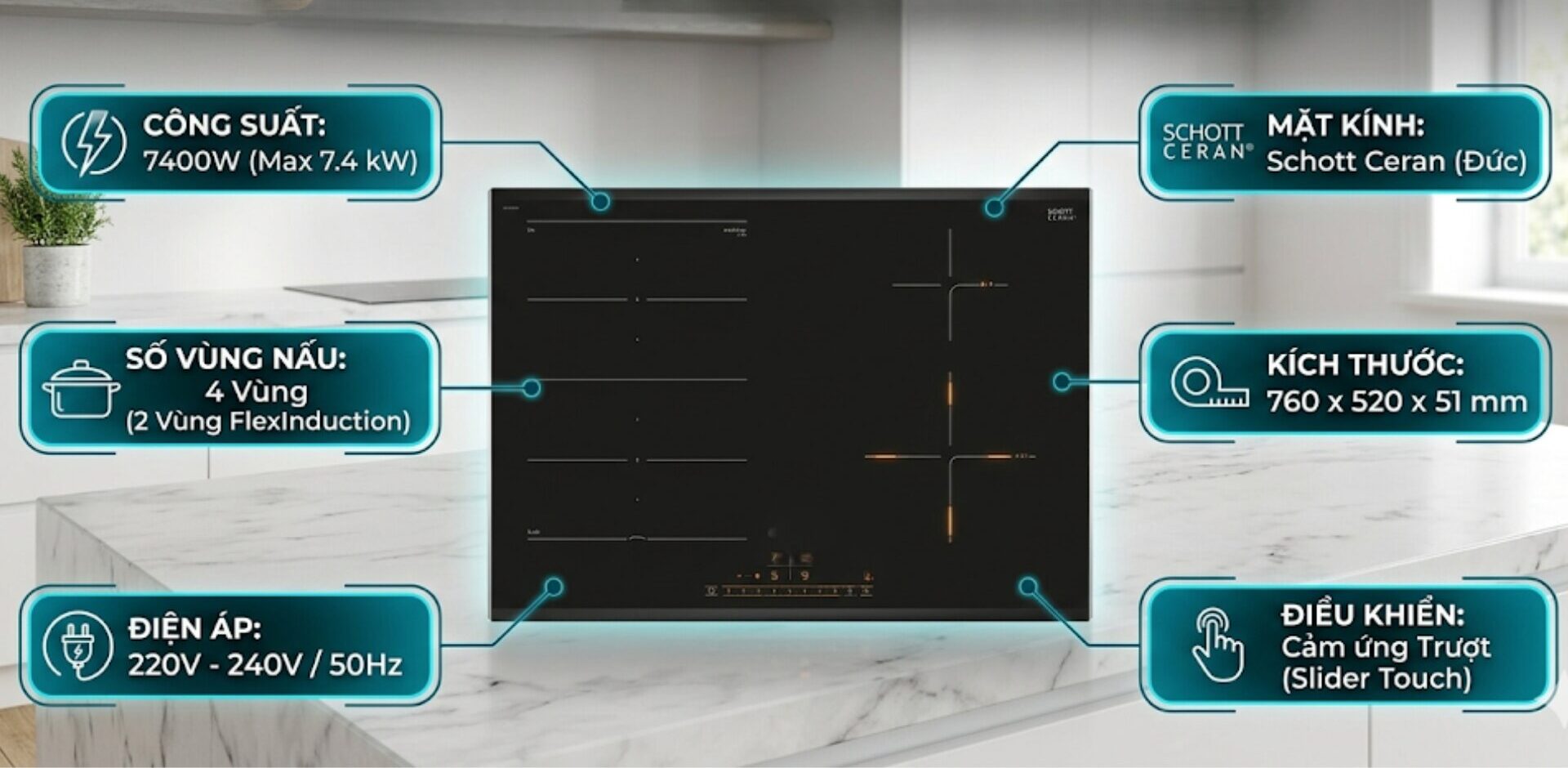
Does an infrared stove consume more electricity than an induction stove?? Considering between infrared stoves and induction stoves to optimize energy costs is a common need for modern housewives. Although both use electricity, these two devices have distinctly different heating mechanisms and thermal efficiency. The article below will analyze the actual technical parameters to answer your question and the most effective way to use them.
Answer: Does using an infrared stove consume more electricity than an induction stove?
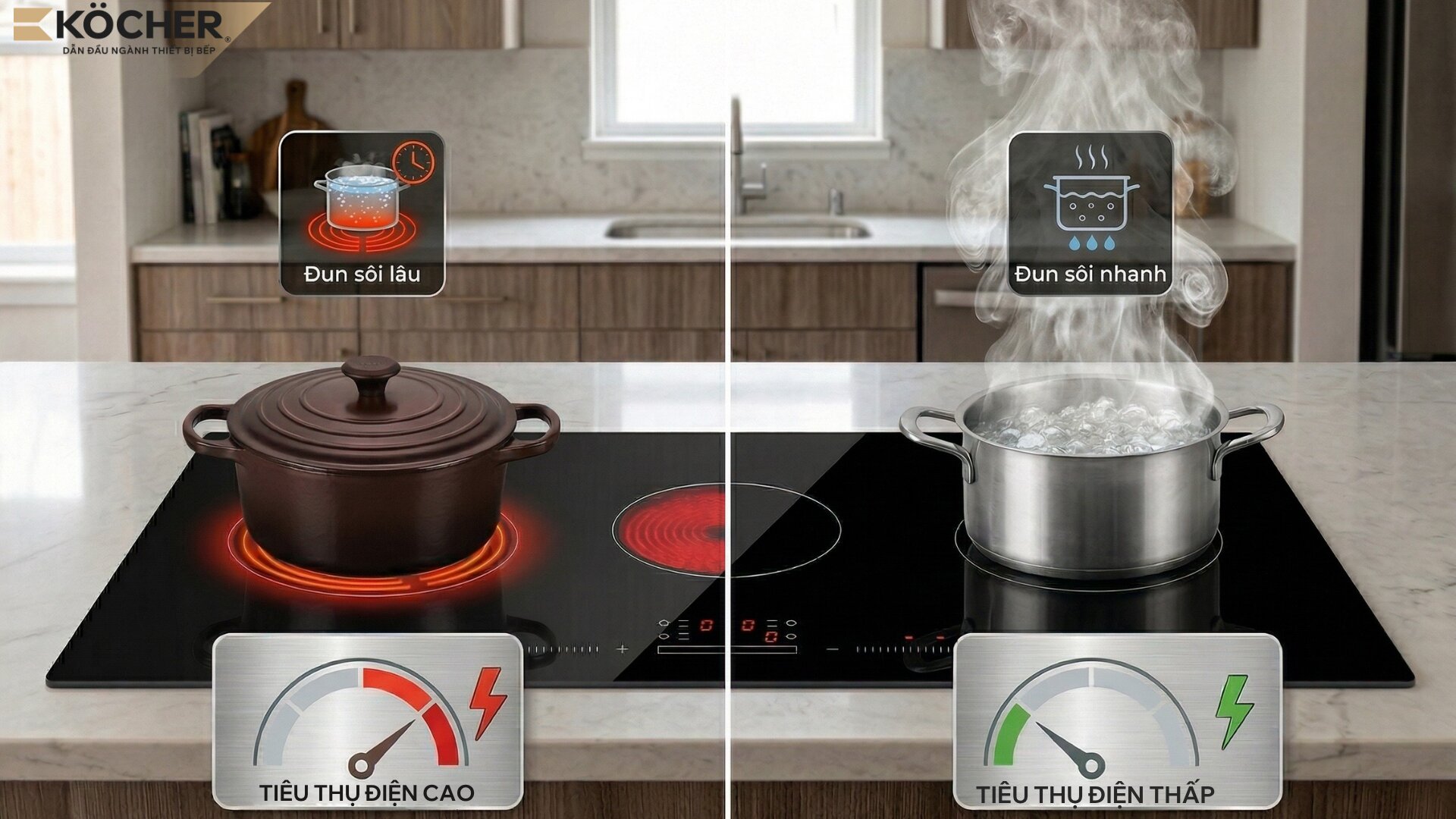
Based on technical experiments, infrared stoves consume about 25 – 30% more electricity than induction stoves when handling the same amount of food and cooking time.
The reason does not lie in the rated power (usually both types are around 2000W – 2200W), but in the difference in thermal efficiency. While induction stoves achieve an efficiency of about 90 – 95%, infrared stoves typically reach a threshold of 60 – 70%. This means that for the same amount of electricity consumed, infrared stoves lose more heat to the environment compared to induction stoves.
Why do infrared stoves consume more electricity than induction stoves?
The difference in electricity consumption stems from the conduction mechanism and the ability to concentrate heat of each type of stove.
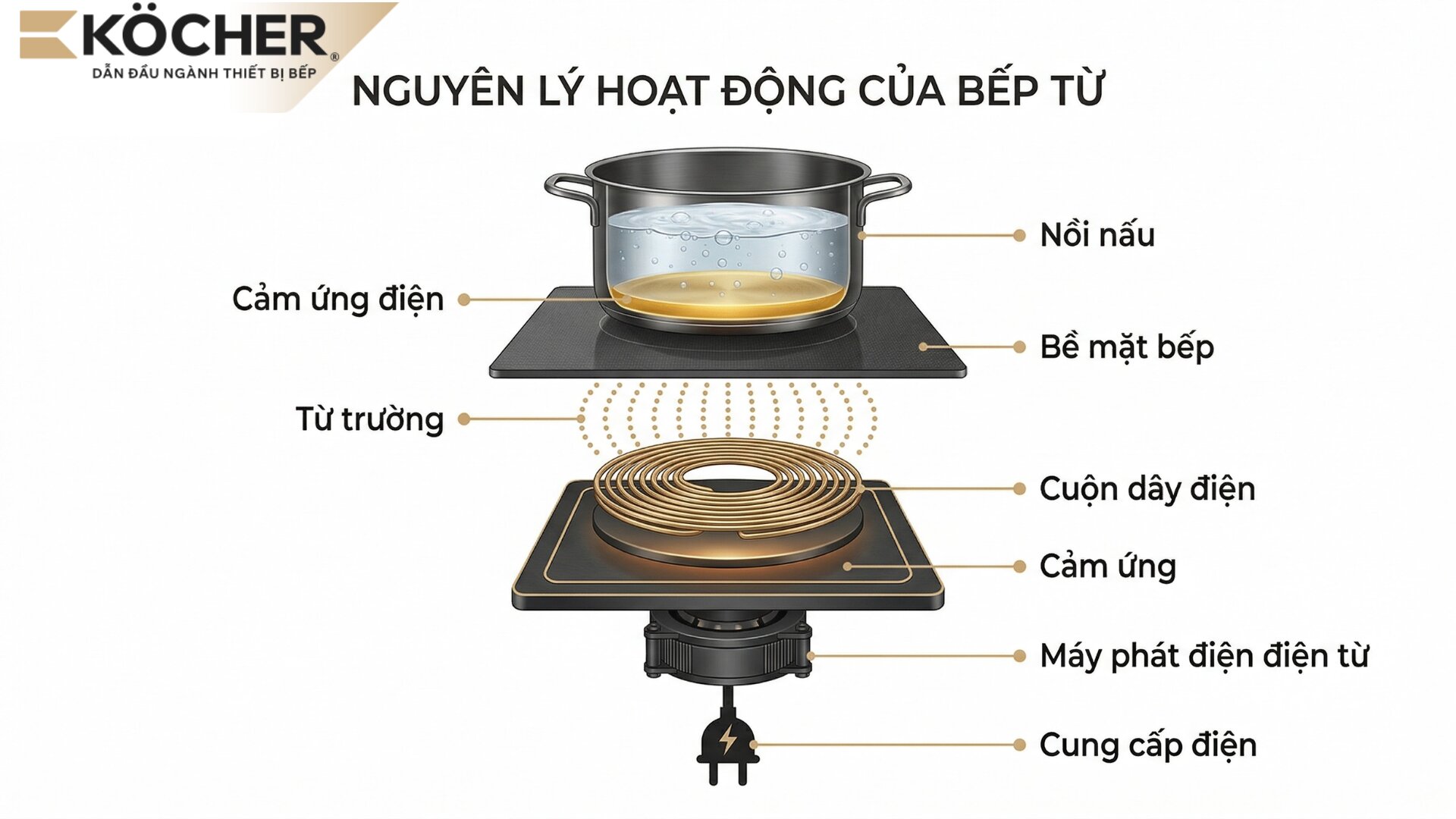
Mechanism of induction stoves: Direct heating into the bottom of the pot
- Principle: Uses a varying magnetic field to act on ferromagnetic molecules at the bottom of the pot, generating eddy currents. These molecules vibrate strongly and generate heat right at the bottom of the pot to cook the food.
- Efficiency: Energy is concentrated almost entirely at the bottom of the pot. The glass surface of the induction stove does not generate heat, so the temperature of the stove surface is low, limiting heat loss to the surrounding air.
Mechanism of infrared stoves: Thermal radiation and concentration
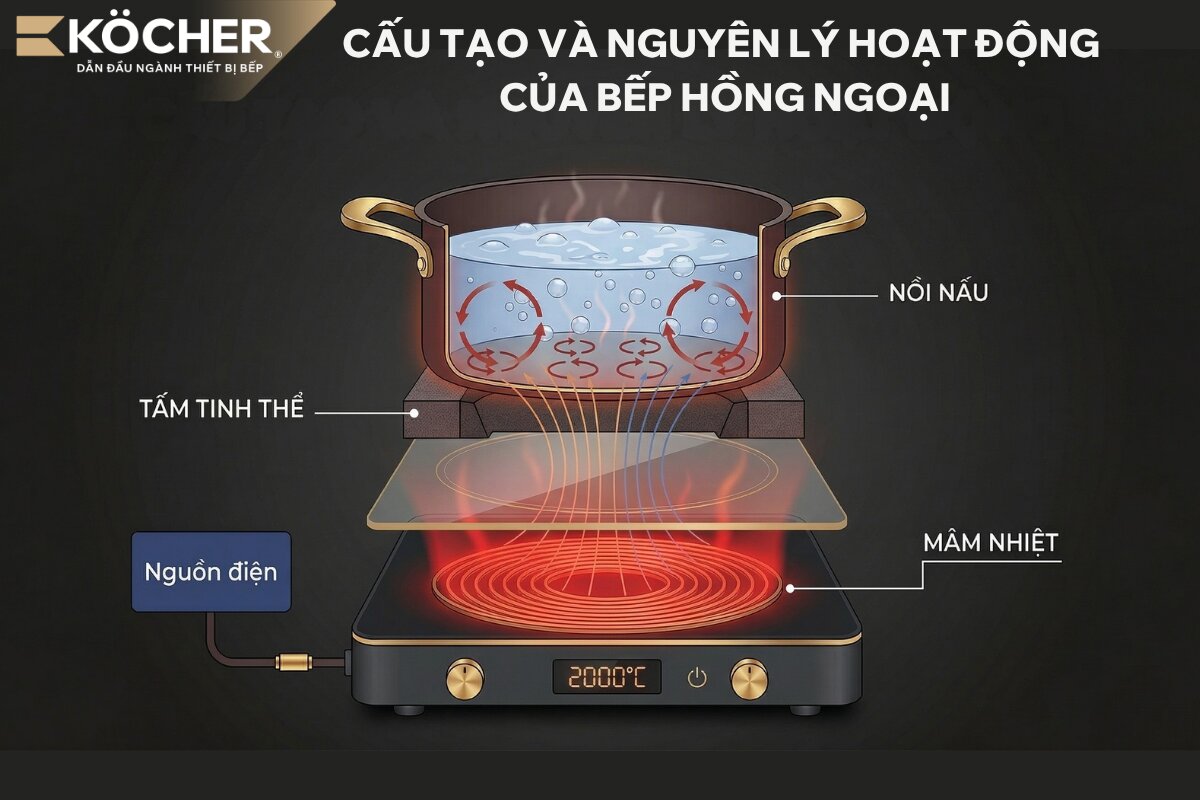
- Principle: Operates based on the principle of thermal radiation from infrared rays. When electricity passes through electronic circuits, it heats the resistive coil (carbon fiber or halogen lamp) inside the heating plate, generating high heat. This heat passes through the glass surface, concentrates, and directly heats the bottom of the pot/pan to cook the food.
- Reason for electricity waste: Unlike induction stoves, infrared stoves must consume a significant amount of energy to heat the glass surface before the thermal energy concentrates on the bottom of the pot. Additionally, the heat from the characteristic red glass radiates widely into the environment in all directions, leading to lower actual thermal efficiency compared to the magnetic heating method.
Comparison table of electricity consumption of infrared stoves and induction stoves
Below is a reference calculation table for family cooking needs (about 60 minutes per day):
| Criteria | Induction stove (Inverter technology) | Infrared stove |
| Thermal efficiency | ~90 – 95% | ~60 – 70% |
| Time to boil 2L of water | 4 – 5 minutes | 7 – 10 minutes |
| Electricity consumption for 1 meal | About 0.6 – 0.8 kWh | About 1.1 – 1.3 kWh |
| Electricity consumption after 1 month | About 45 – 60 kWh | About 80 – 100 kWh |
| Estimated cost (3,000 VND/kWh) | 135,000 VND – 180,000 VND | 240,000 VND – 300,000 VND |
When should you choose an infrared stove, and when should you choose an induction stove?
Each type of stove has its own advantages depending on the actual usage needs of the family:
- Prioritize choosing an induction stove when: You need fast cooking speed, optimal electricity savings, and want a cool cooking environment. Induction stoves are safe for families with small children because the glass surface around the cooking area does not get hot.
- Prioritize choosing an infrared stove when: You want to utilize cookware made of glass, ceramics, or clay, or have a need to grill food directly with a grill. Infrared stoves are suitable for dishes that require stable heat and good warmth retention after being turned off.
- Balanced solution: If you are still unsure Whether to buy an induction stove combined with an infrared stove to take advantage of the strengths of both technologies, mixed stoves (1 induction and 1 infrared) are also a popular choice that many modern families prefer to install.
How to use an infrared stove efficiently to save electricity
To reduce your electricity bill when using an infrared stove, you should apply the following tips:
- Turn off the stove 2 – 3 minutes early: The heating plate and infrared glass retain heat quite well after power is cut. You should turn off the stove before the food is fully cooked to take advantage of residual heat, helping the food cook evenly without needing additional electricity.
- Use pots that match the heating ring size: Ensure the bottom of the pot completely covers the red heating area. If the pot is smaller than the heating ring, the infrared rays will not converge correctly and will escape, wasting energy.
- Choose pots with flat and smooth bottoms: A flat bottom helps improve contact and heat absorption from the glass surface, shortening cooking time.
- Avoid frequently opening the pot lid: Covering the lid helps retain radiation energy inside the pot better, significantly reducing cooking time.
- Clean the glass surface after each cooking session: Grease or dirt on the glass surface will hinder the infrared rays from passing through, reducing the thermal efficiency of the device.
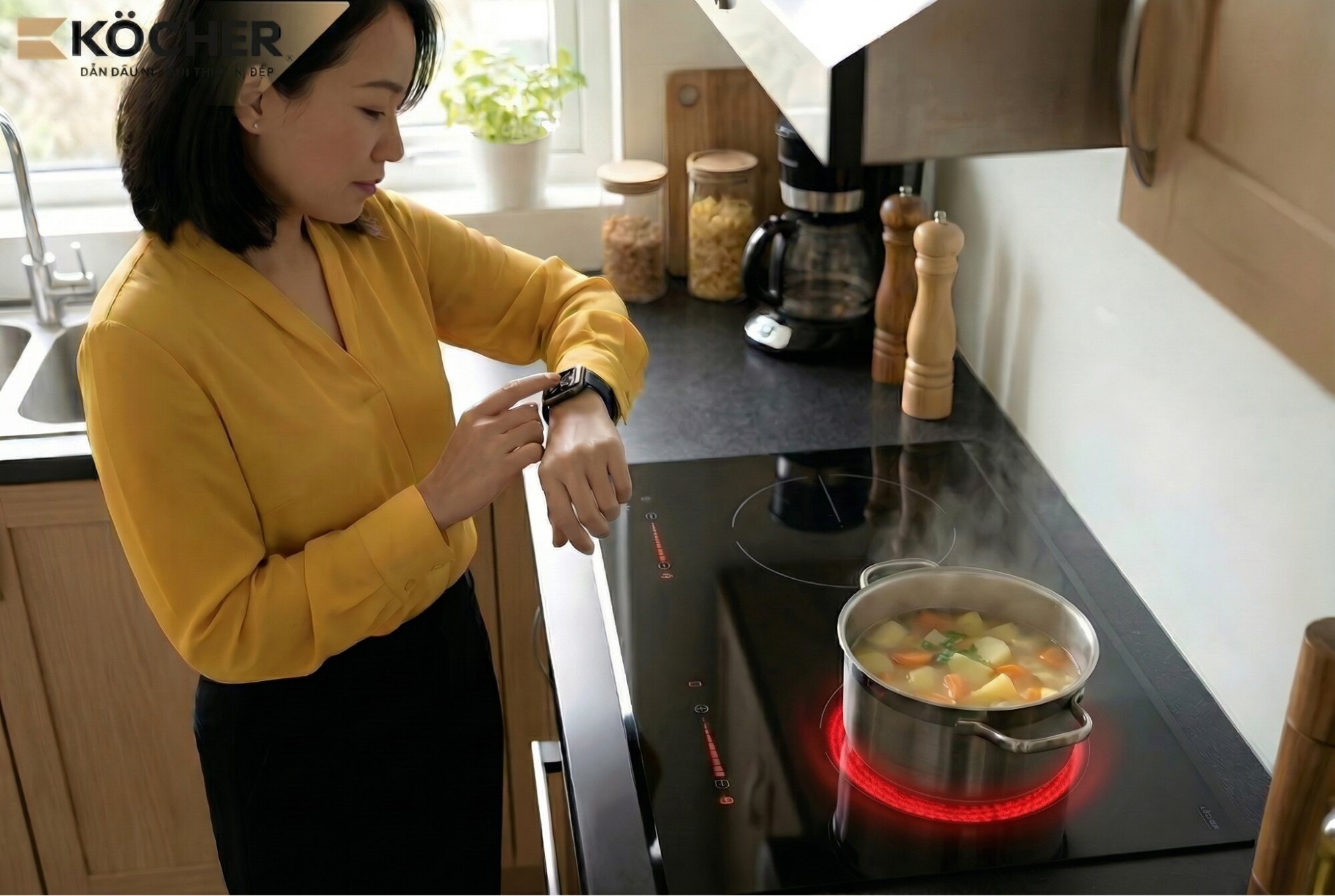
In summary, the question does an infrared stove consume more electricity than an induction stove? has a clear answer based on the difference in thermal efficiency and the radiation mechanism through the glass surface. While induction stoves help optimize energy bills due to their direct heating capability, infrared stoves offer flexibility as they are not picky about the cooking pots.
If you weigh the comparison broadly between raw material sources and electricity, the updated guide Latest 2026 Should Use Gas Stove or Induction Stove: The Economic Equation and 4 Golden Criteria will provide you with insights to optimize living costs for your new apartment. At the same time, a thorough analysis of whether Should Use Induction Stove or Gas Stove also helps homeowners clarify the long-term investment equation for equipment.
If you are still unsure about choosing the right device to optimize costs for your new apartment, please contact the expert team at Köcher. We are ready to support you in consulting European standard stoves to help your family invest and use them for a long time.
Köcher induction stove pioneers German technology – For detailed product information, please contact:
|