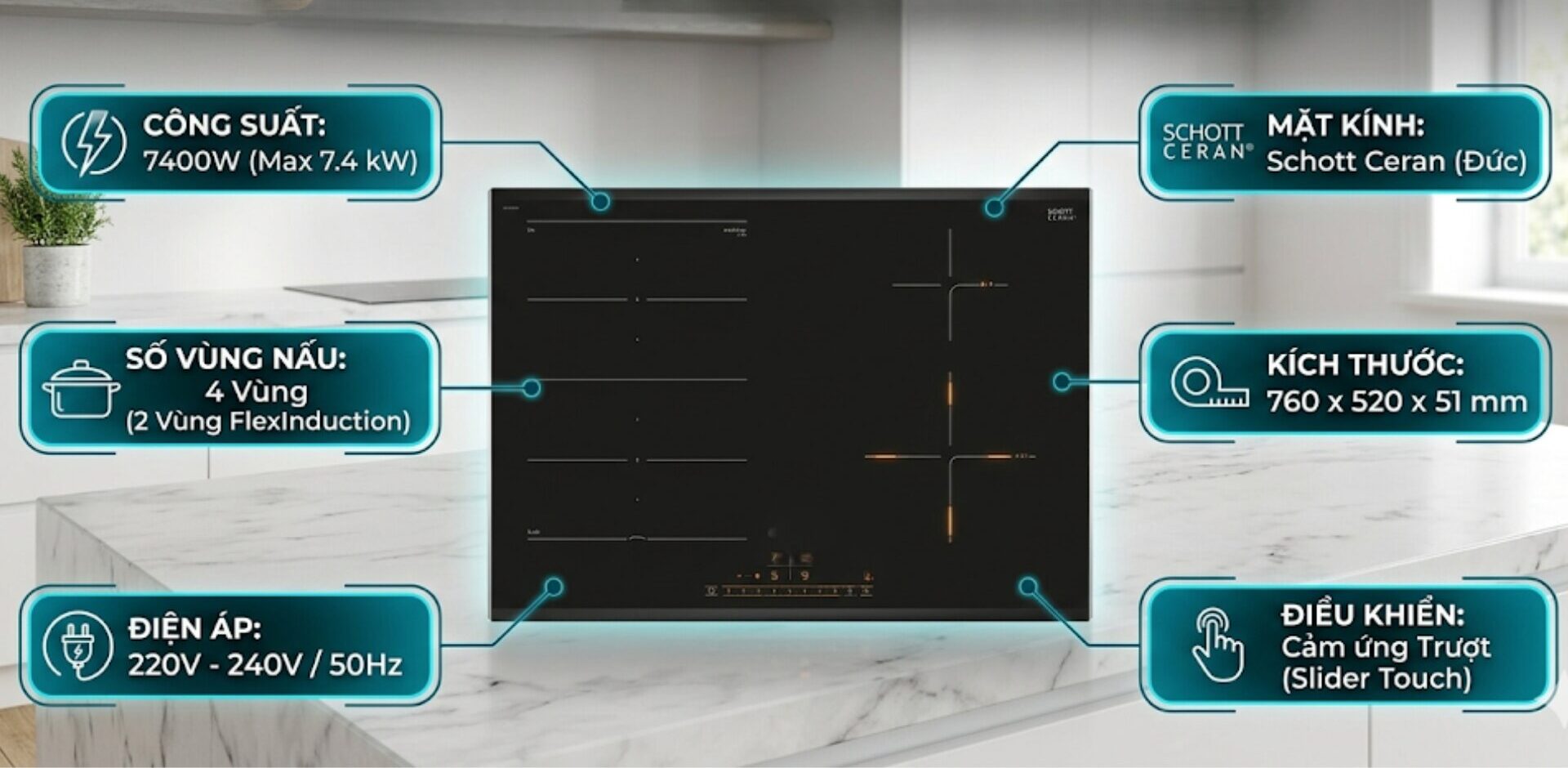
The induction cooktop with a burned glass surface is a more common case, as the surface of the induction cooktop is always hot and any item placed on the cooking zone while the cooktop is on has the risk of heating up and melting. When the induction cooktop’s surface is burned, the charred layer adheres firmly to the glass, affecting its aesthetics, and it may even be impossible to continue cooking if this layer is too thick, causing the induction cooktop not to recognize the pot.
Removing burn marks requires following some important steps to ensure you do not scratch the glass during the cleaning process. So, is there a solution that is quick, easy, and cost-effective?
See more:
- How to clean stainless steel pots that are yellowed, rusty, or burned
- How to clean induction cooktops to shine like new in just 3 minutes
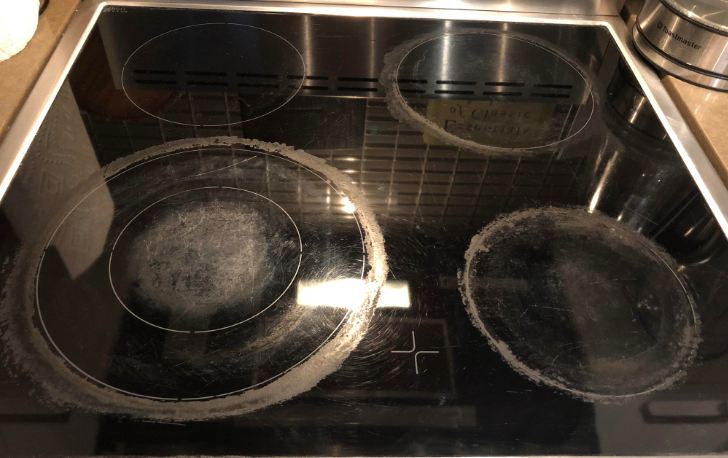
Causes of induction cooktop glass surface burns and how to handle them
A shiny, clean, and scratch-free glass surface on an induction cooktop brings a wonderful aesthetic to every kitchen. However, this will be completely lost if the induction cooktop has a burned glass surface. The cause of the burned glass surface on the induction cooktop may be due to boiling food, spillage, splattering, or quickly drying and adhering to the cooktop surface. Understanding the structure of the cooktop and the principle of operation of the induction cooktop will help you know that this cooking zone generates heat directly through thermal radiation, so when food sticks, it will burn very quickly.
Burn marks on the glass surface of the induction cooktop can also occur due to user negligence. For example, placing easily meltable items on a hot cooktop surface can cause the items to melt and char on the cooktop surface.
With burn marks, it is not easy to wipe them off with a cloth. You should also avoid using sharp tools to scrape, as doing so incorrectly can cause the glass surface of the cooktop to crack or scratch.
Here are the optimal ways to handle an induction cooktop with a burned glass surface that you should follow.
Note: Allow the cooktop and the induction cooking surface to cool completely before cleaning.
Method 1: Clean the burned glass surface of the induction cooktop with a scraper
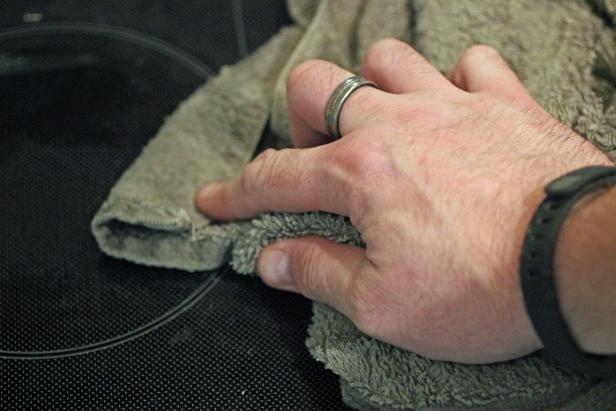
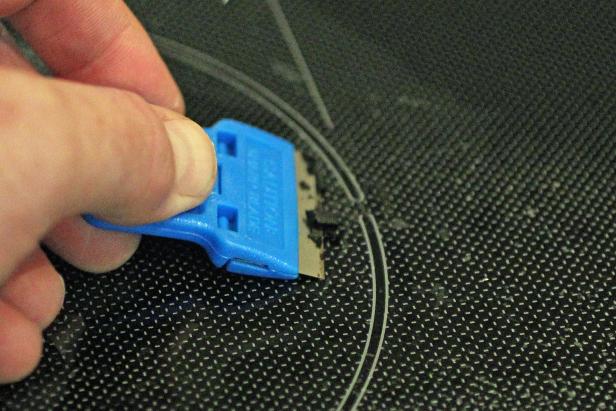
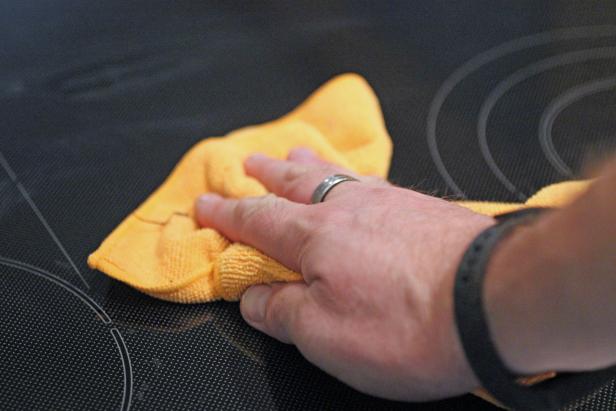
Step 4: Use a paper towel or soft cloth to wipe the surface of the burn marks. You can check if the burn marks have been completely removed and use the scraper again to clean off any remaining burn marks. After that, use a damp sponge to wipe away any remaining dirt once more.
Step 5: Finally, use a dry paper towel to wipe the glass surface clean to finish.
Method 2: Clean the burn marks with vinegar and baking soda
- Paper towels or soft, clean cloths, sponges
- Dishwashing liquid or induction cooktop cleaning solution
- Baking soda
- Vinegar
The steps to clean the burned glass surface of the induction cooktop are as follows:
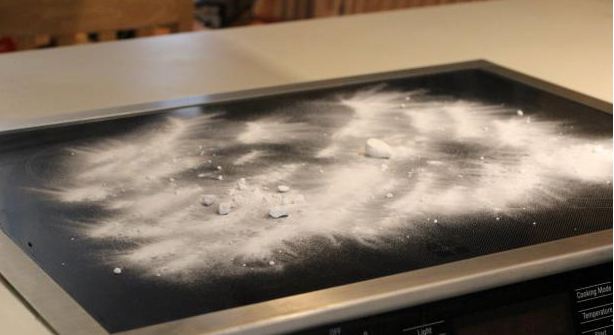
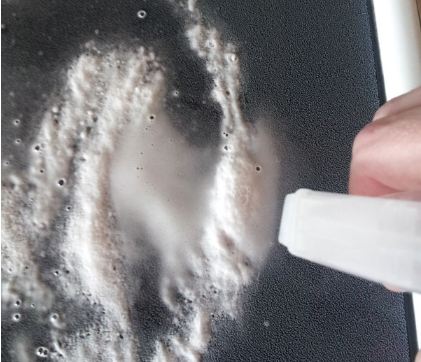
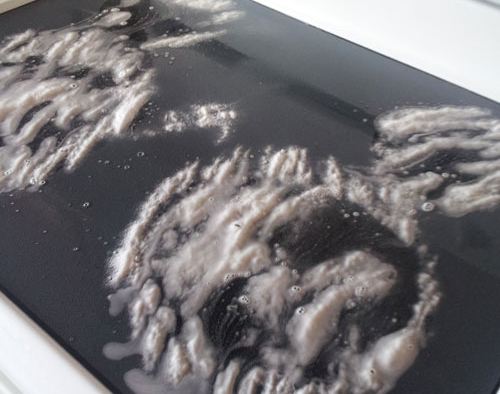
Step 1: Sprinkle baking soda evenly over the burned glass surface of your induction cooktop. Try to sprinkle evenly so that the baking soda does not clump together.
Notes when cleaning the induction cooktop
- Never clean the cooktop surface when it is still hot.
- Try to clean up any spilled food on the surface, overflow from pots, or splatters immediately after they occur if possible. However, if it is not safe, do not attempt to do so; turn off the cooktop and let it cool before starting to clean.
- Avoid using the induction cooktop for cooking again if you have not finished addressing the old burn marks on the induction cooktop glass surface. The heat from the second use will cause the stains to dry, burn, adhere tightly, and become even harder to clean.
- If you do not have an induction cooktop scraper, absolutely do not use other sharp objects as substitutes such as knives, forks, aluminum spoons, steel wool, etc. Only use plastic or wooden spoons.
- Ensure your pots and pans are dry before placing them on the cooktop to reduce burn marks. Additionally, learning about what pots are best for induction cooktops is also a good tip to choose flat-bottomed, thick pots to minimize the chances of food sticking or burning.
- After cleaning, wipe the cooktop surface thoroughly with a dry cloth to remove any remaining water droplets before the next cooking session.
Handling an induction cooktop with a burned glass surface will become much simpler if you know how to do it. The small tips above will certainly be the most effective solutions, ensuring that the cooktop glass surface remains shiny and scratch-free while helping you clean quickly without wasting time and effort. In cases where the glass surface is burned and severely cracked due to external force, you should consider the official service of replacing the induction cooktop glass to ensure the device operates safely again.
Handling an induction cooktop with a burned glass surface will become much simpler if you know how to do it. The small tips above will certainly be the most effective solutions, ensuring that the cooktop glass surface remains shiny and scratch-free while helping you clean quickly without wasting time and effort. In cases where the glass surface is burned and severely cracked due to external force, you should consider the official service of replacing the induction cooktop glass to ensure the device operates safely again. Additionally, if you are looking for a smart cooking solution that is less prone to dirt and easier to clean to replace your old cooktop, the new generation induction cooktops will be a great suggestion. Accompanying the minimalist trend in household chores, Köcher is proud to be a pioneer in Vietnam bringing German technology into induction cooktop products, providing a safe, durable, and extremely convenient cooking experience for every family.