What is Ceramic Glass?
When we talk about “Glass,” we often think of a transparent and fragile material. The atoms and molecules are arranged randomly, leading to a lack of order in the structure, making it transparent and very brittle (when not thermally treated).
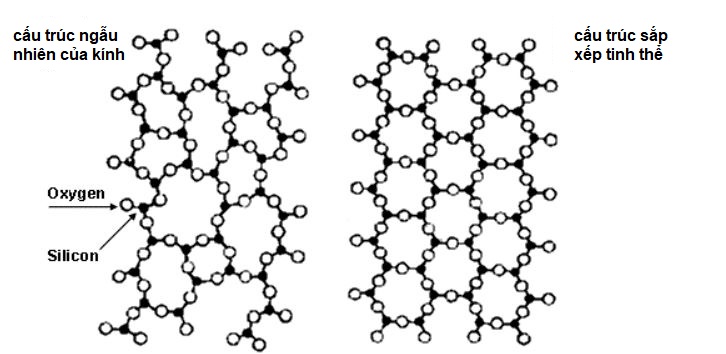
Ceramic Glass (or it can be called glass-ceramic) has a chemical composition similar to glass but differs in that it is usually crystallized 95 – 98% by volume. Only a small proportion of the glass is crystalline, and these crystals are very small with uniform sizes.
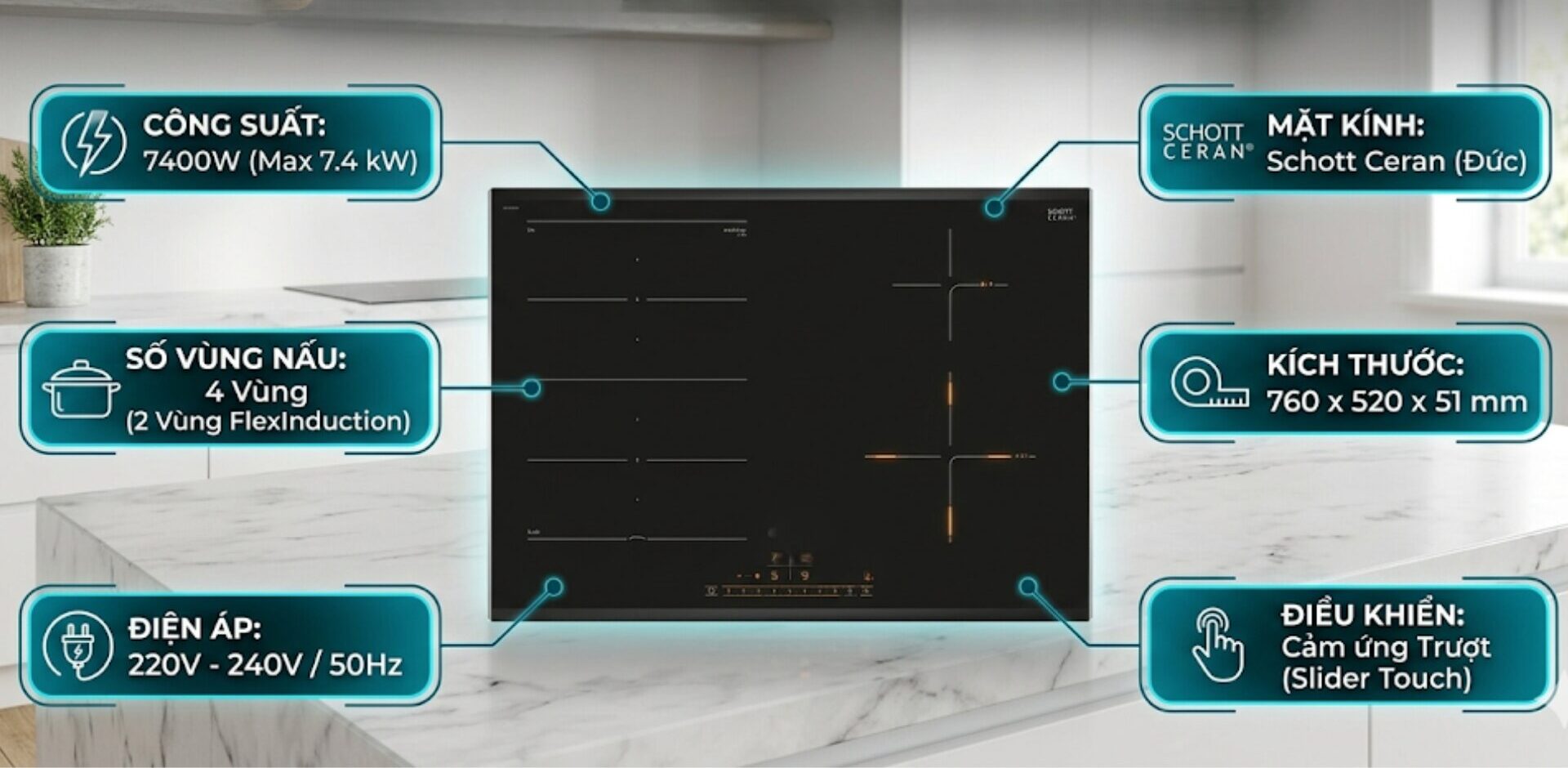
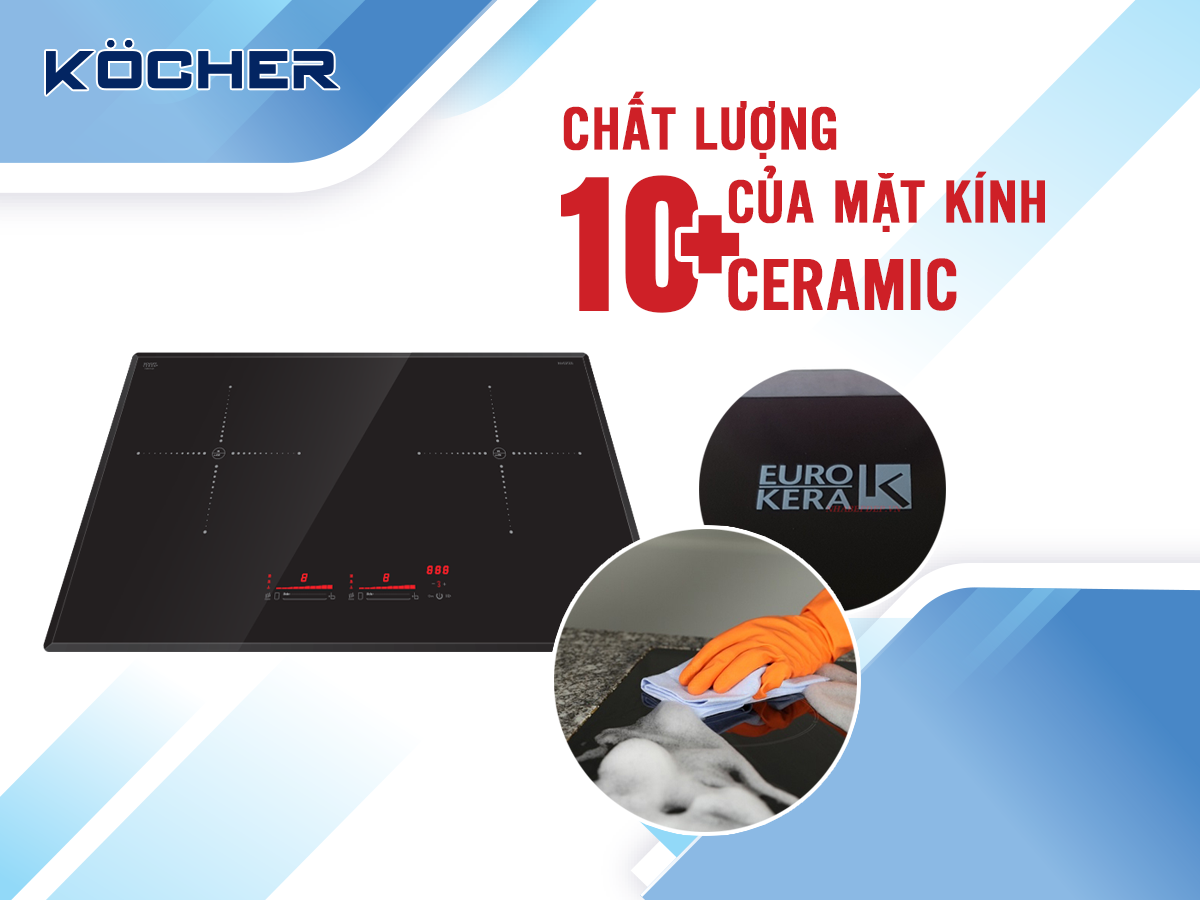
The most common use of ceramic glass that you encounter is the glass surface of induction cooktops. So, which type of ceramic glass for induction cooktops is good?
This is what creates the very characteristic properties of ceramic glass:
- High strength
- High impact resistance
- Low thermal expansion coefficient, sometimes it has a negative coefficient
- Excellent thermal shock resistance
- Has a range of optical properties, from opaque to translucent.
Components of glass-ceramic
Glass-ceramic consists of various components, among which there are three main types:
- LAS – A mixture of lithium, aluminum, and silicon oxides (Li2O-Al2O3 -SiO2), with other glass-forming substances (e.g., Na2O, K2O, and CaO).
- MAS – A mixture of magnesium, aluminum, and silicon oxides (MgO- Al2O3 -SiO2) with glass-forming substances
- ZAS – A mixture of zinc, aluminum, and silicon oxides (ZnO- Al2O3 -SiO2) with glass-forming substances
Applications of Ceramic Glass
- Cooking utensils, baking tools (See more about: What is a ceramic pan? Is using a non-stick ceramic pan good?
- Cooktop glass surface
Ceramic Glass LAS is a material strong in mechanics and can withstand rapid and repeated temperature changes. Therefore, it is used as the glass surface of induction cooktops and ceramic cooktops.
Ceramic cooktops use copper coils or infrared halogen lamps to heat. The surface of the glass-ceramic cooktop heats up, but the adjacent surface remains cool due to the low thermal conductivity of the material.
Induction cooktops heat the bottom of metal pots directly through electromagnetic induction.
Some well-known brands of ceramic glass for cooktops include Schott Ceran, EuroKera…
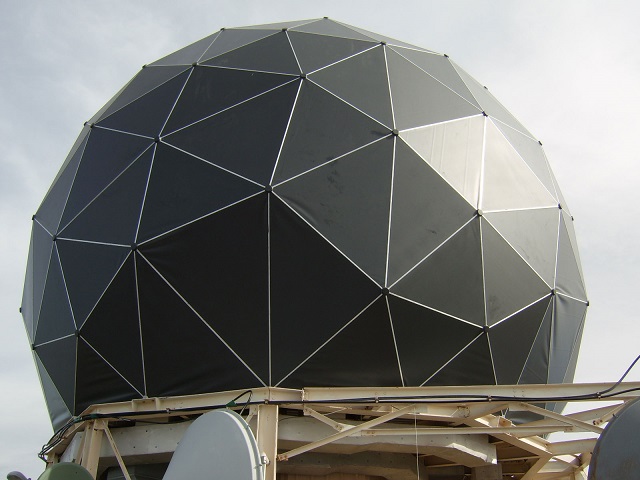
- Telescope mirrors
- Insulating materials
- …
What is the difference between tempered glass and ceramic glass?
Tempered Glass
Tempered glass is a type of ordinary glass that has been thermally treated to enhance its strength and thermal shock resistance, preventing injuries by changing the break pattern. Tempered glass is used in applications concerned with temperature, mechanical strength, and safety. Tempered glass can withstand temperatures of 240 degrees Celsius. If tempered glass is exposed to higher temperatures, it will gradually weaken the structure of the glass, making it more prone to breaking. If a piece of tempered glass is exposed to continuous temperatures of 315 degrees Celsius or higher, the glass will shatter into small pieces.
Ceramic Glass
Ceramic Glass can continuously withstand high temperatures without the risk of being destroyed. It also has the ability to resist structural weakening due to temperature changes. PyroCeram (R) can withstand temperatures up to 680 degrees Celsius for extended periods. NeoCeram (R) can withstand temperatures up to 800 degrees Celsius for extended periods.
Despite having such ideal thermal durability, the surface of glass-ceramic is still prone to scratches or clouding due to the friction of pots and the accumulation of food residues over time. Therefore, equipping yourself with knowledge about how to keep the ceramic glass induction cooktop always clean and smooth is extremely necessary. By applying the right gentle cleaning solutions with soft cloths, combined with specialized cleaning solutions or natural tips like lemon and vinegar, you will protect the shine of the device. Understanding the correct process of how to maintain the scratch-resistant ceramic glass induction cooktop regularly not only enhances aesthetics but also helps the cooktop avoid localized cracking under high thermal pressure, ensuring a long lifespan for the product.
Above are some information about Ceramic Glass: its definition, characteristics, and applications in today’s life. We hope that the information shared in this article has helped you find answers to your questions about Ceramic Glass.