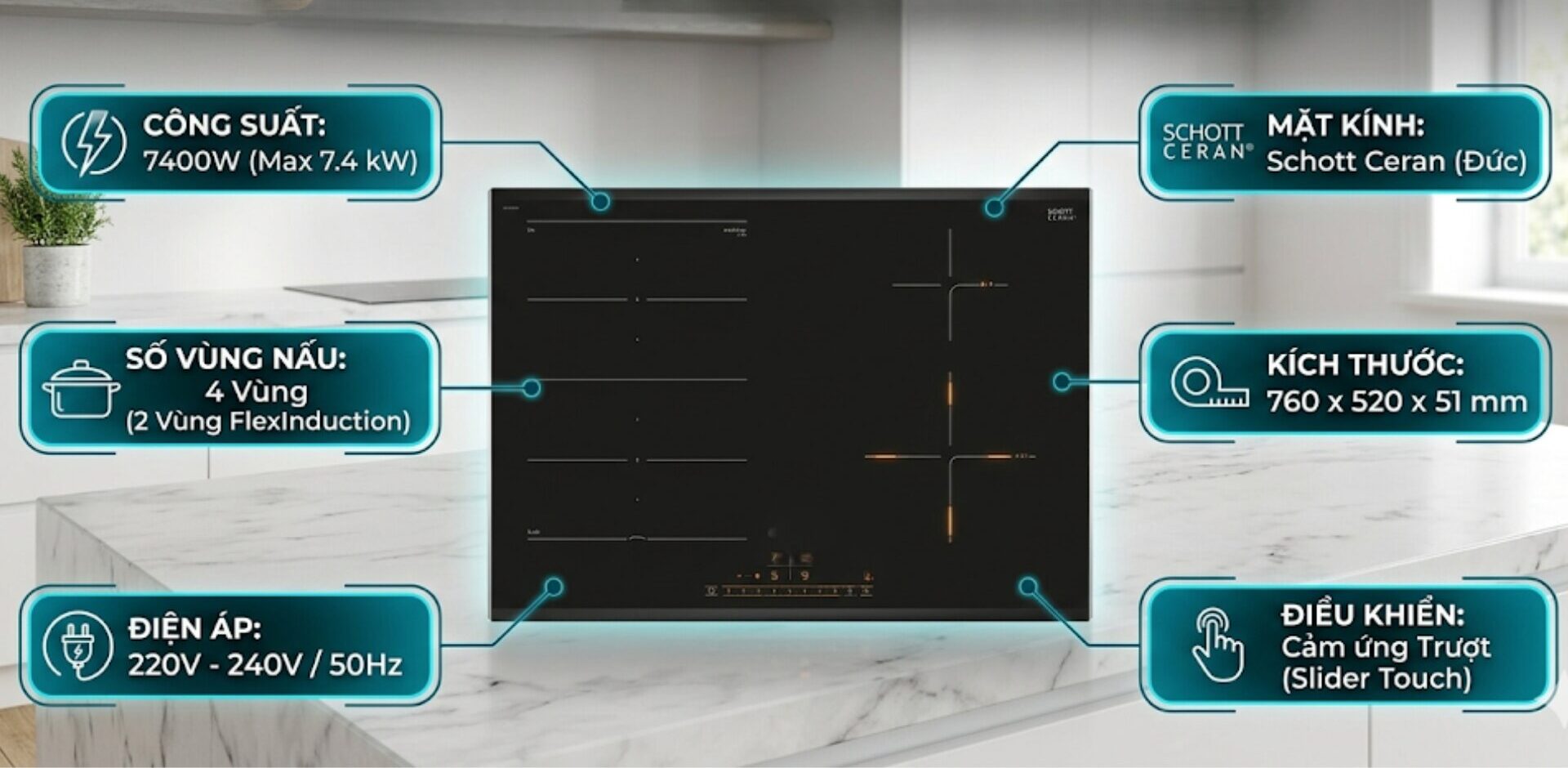
Does the electric stove have an automatic shut-off? is a common concern among many home cooks who worry about fire risks due to forgetting or overheating incidents. In fact, this is one of the mandatory safety mechanisms on modern induction and electric stoves to protect the circuit board and internal components. This article will analyze in detail the operating principle and common automatic shut-off modes to help you master the device and extend the stove’s lifespan.
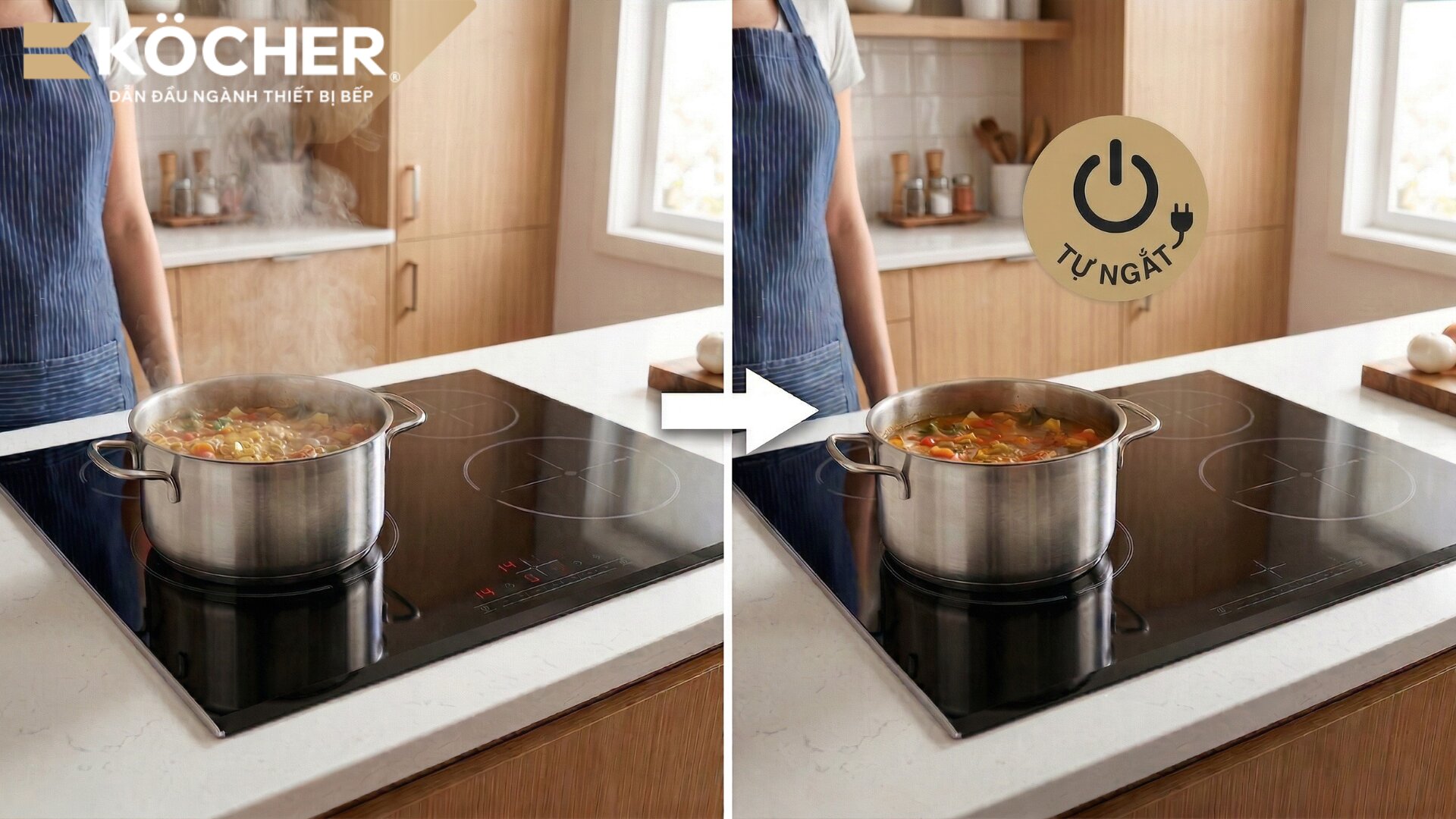
What is the automatic shut-off mode on induction stoves? Summary of common modes
The automatic shut-off mode is an active protection mechanism pre-programmed in the stove’s microprocessor. When the sensors detect parameters exceeding safe thresholds or deviating from standard cooking conditions, the system will immediately cut off the power supply to the induction coil to stop heating.
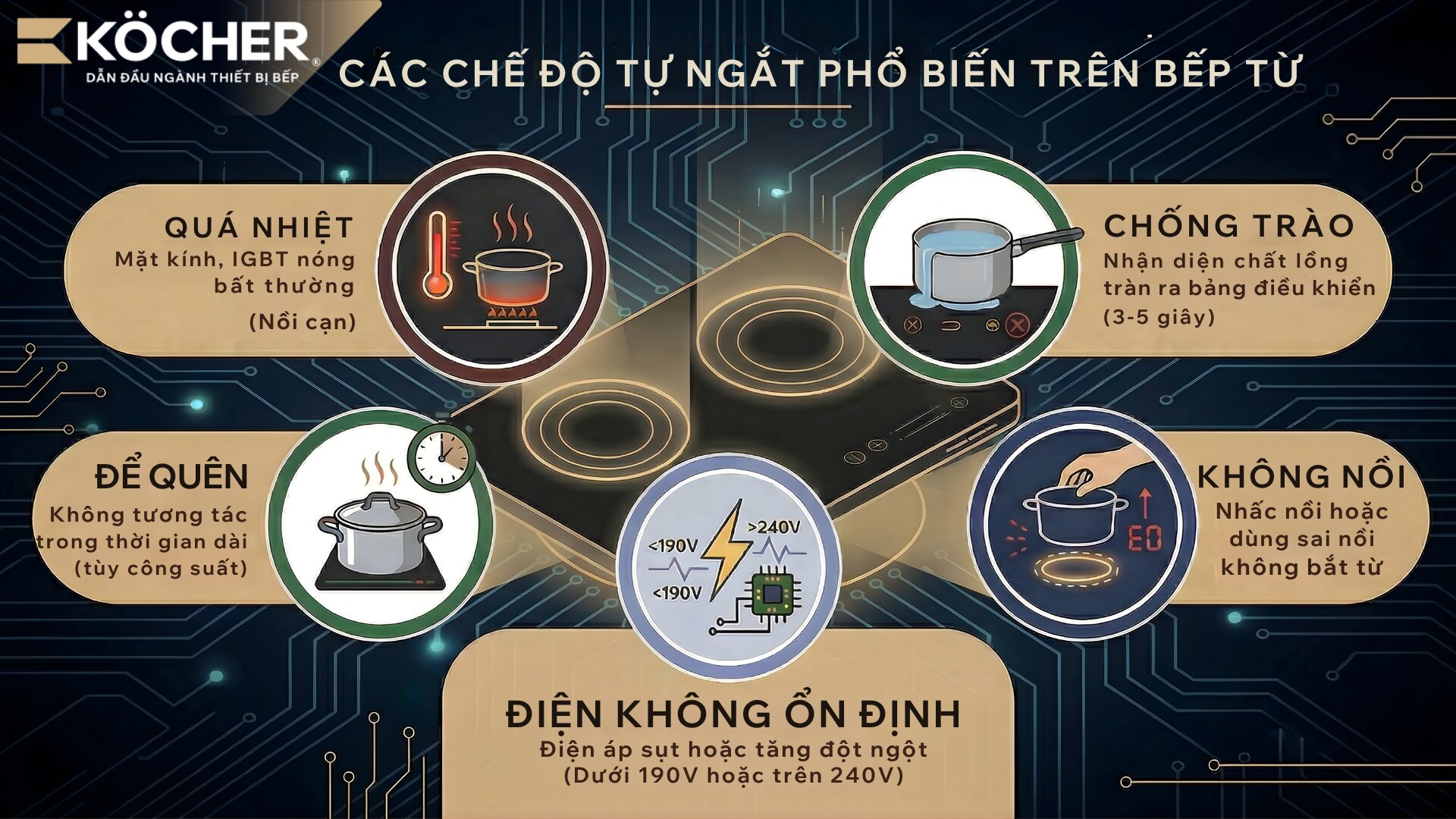
Summary of common automatic shut-off modes on induction stoves today:
- Automatic shut-off when overheating: Activated when the temperature of the glass surface or power components (IGBT) rises abnormally (usually due to the pot running out of water).
- Automatic shut-off when overflow occurs: Sensors in the control panel area will detect spilled liquid and shut off the stove within 3 – 5 seconds.
- Automatic shut-off when no pot is detected (Pot Detection): The stove will stop heating and display an error (E0 or flashing U) if you lift the pot off the cooking zone or use a non-magnetic pot.
- Automatic shut-off when the power supply is unstable: Protects the circuit board when the voltage drops below 190V or exceeds 240V.
- Automatic shut-off when left unattended: The stove will automatically turn off after a certain period (depending on the power level) if there is no user interaction.
Operating principle of the automatic shut-off mode on electric stoves
The automatic shut-off mechanism operates based on the coordination between the temperature sensor system (NTC) and the central microprocessor on the circuit board. These are the core components in the Structure of electric stoves diagram, helping the device operate synchronously and safely:
- Signal detection: Temperature sensors placed directly under the glass surface (next to the induction coil) and on the aluminum heat sink of the IGBT continuously send resistance data to the microprocessor.
- Data processing: The microprocessor (IC) compares these parameters with the pre-programmed safe thresholds.
- Command execution: If it detects that the temperature of the glass surface exceeds the allowable level (for example, when the pot runs out of water causing a rapid temperature increase), the microprocessor will issue a command to cut off the power supply to the induction coil. At this point, the stove will stop cooking and display an error code (E1, E6,…) to alert the user.
5 benefits of using induction stoves with automatic shut-off
Equipping sensitive sensors brings practical values in terms of durability and safety during use:
Fire and explosion prevention
When a home cook forgets a pot on the stove leading to water running out, the temperature at the bottom of the pot can spike, potentially causing food to burn and spread around. The automatic shut-off mode when overheating will stop this risk as soon as the temperature begins to exceed the safe threshold.
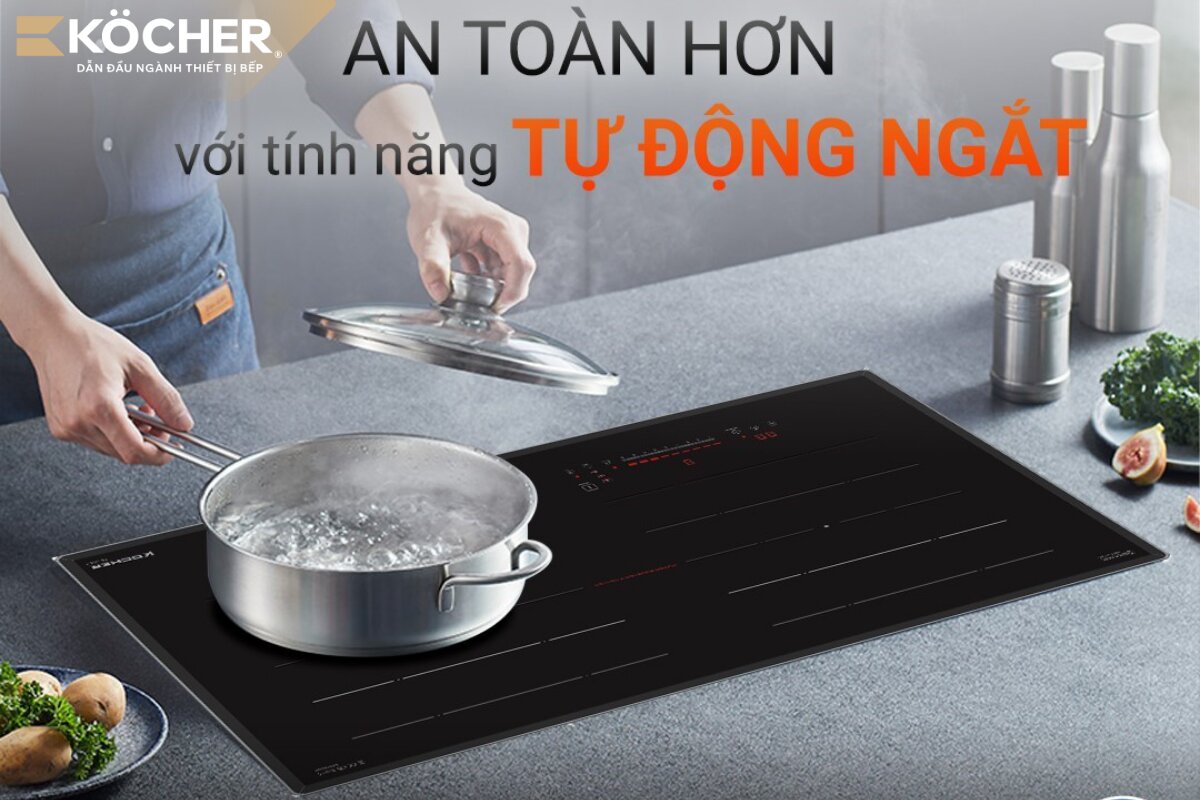
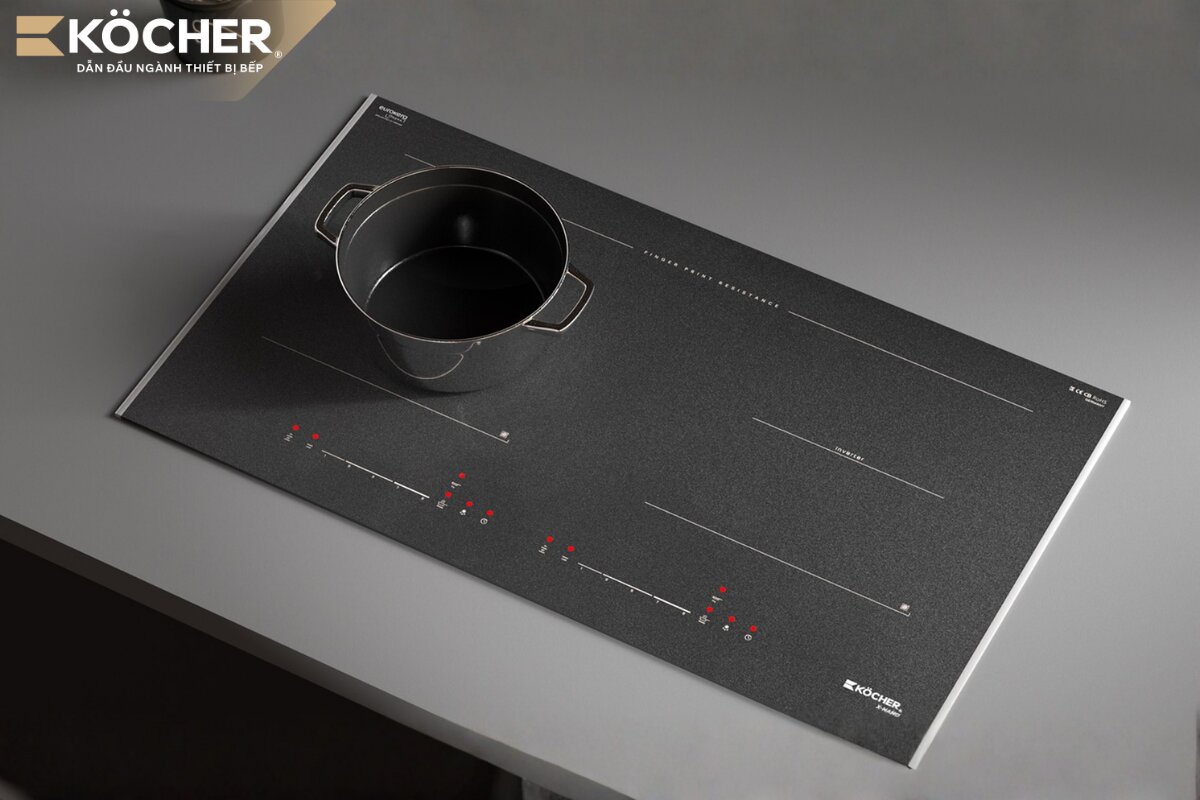 The automatic shut-off mode helps protect the stove, even when the pot on the stove runs out of water
Protecting the lifespan of circuit board components
The automatic shut-off mode helps prevent overheating, protecting the circuit board from melting or short-circuiting. Stoves that meet strict safety standards such as VDE (the safety technical standard of Germany for electrical devices, components, and systems) from Köcher always ensure that these shut-off commands occur accurately to maintain the durability of the device, minimizing the risk of fire and explosion.
Effective energy savings
The Pot Detection feature ensures that the stove only generates heat when a suitable pot is on the cooking zone. If you forget to turn off the stove after lifting the pot, the device will automatically cut off heating, avoiding unnecessary energy waste to the surrounding environment.
Ensuring safety for children and the elderly
The combination of the automatic shut-off mode and safety lock (Child Lock) eliminates the risk of children accidentally touching the stove, causing danger. For the elderly who may forget, the automatic shut-off feature when no pot is detected or after a waiting period is an extremely effective protective solution, making the Safe Electric Stove much safer compared to traditional cooking tools.
 The automatic shut-off mode ensures greater safety, even in families with children and the elderly
Maintaining durability and aesthetics for the glass surface
Water spilling onto the glass surface while boiling at high temperatures can cause localized thermal shock. The automatic shut-off mode when overflow occurs helps users promptly clean up spills, preventing liquids from seeping down to the components below and keeping the glass surface shiny, free from stains caused by burnt food.
TOP 4 tips for choosing a good induction stove with automatic shut-off
To choose a stove with a sensitive and stable automatic shut-off system, you should base your decision on the following technical standards:
- Prioritize E.G.O components (Germany): E.G.O circuit boards are renowned for the accuracy of their temperature sensors. This is the foundation for ensuring that automatic shut-off commands occur decisively and timely.
- Check for VDE certification: This is the strictest electrical safety certification in the world. Köcher X-Nano stoves that meet VDE standards are proof of an effective automatic protection system.
- Sensitivity of overflow sensors: When purchasing, you can test by pouring a little water onto the control panel area. A good quality stove will beep and shut off within a few seconds.
- Good heat-resistant glass: You should choose Schott Ceran or EuroKera glass that can withstand heat and thermal shock to support the accurate operation of temperature sensors.
The X-Nano 7 induction stove with scratch-resistant X-Nano glass developed exclusively for Köcher induction stoves
Frequently asked questions about electric stoves with automatic shut-off
Is the induction stove’s automatic shut-off a fault?
In most cases, the stove’s automatic shut-off IS NOT a fault but rather a protective mechanism for the components. For example, when you cook at high power (Booster) for too long, the stove will automatically shut off to cool down the circuit board. You just need to let the stove rest for about 10 – 15 minutes before using it again normally.
What should you note when using an induction stove with automatic shut-off?
- Ensure the stove’s undercarriage is ventilated: The cooling fan needs space to circulate fresh air. If the stove’s undercarriage is too cramped, the rapid increase in circuit board temperature will cause the stove to shut off continuously.
- Clean the sensor area: Always keep the control panel clean. Thick grease buildup can reduce the sensitivity of the overflow sensor.
- Do not unplug immediately after the stove shuts off: After the stove automatically shuts off (due to turning off or overheating), let the fan continue running until it completely stops to cool down the internal components.
Why does the stove shut off with a “click” sound?
This is usually a phenomenon where the stove is in Pot Detection mode. The stove is trying to emit a magnetic field pulse to find a suitable magnetic pot. If no pot is detected after a period, the stove will automatically shut off completely to ensure safety.
So does the automatic shut-off mode affect pot compatibility? Which type of electric stove does not have pot compatibility issues?
The automatic shut-off mode due to pot detection only occurs on induction cooking zones. If you are wondering Which type of electric stove does not have pot compatibility issues and does not automatically shut off when changing pot materials, then infrared stoves are the optimal solution. Infrared stoves generate heat using halogen heating elements or mica wires, thus radiating heat directly onto the glass surface, perfectly compatible with all materials from clay pots, aluminum pots to glass without activating the automatic shut-off mode for material detection.
In conclusion, understanding whether electric stoves have automatic shut-off helps users proactively control situations of overheating or overflow, thereby protecting the circuit board safely. This automatic mode is a technical standard worth investing in, helping to prevent fire risks and maintain stable component durability over time.
If you are looking for an induction stove with an intelligent protection system that meets European standards, please contact the expert team at Köcher. We are ready to provide technical support and advise on stove models equipped with German standard components and exclusive X-Nano glass, offering the safest and most professional cooking solutions for your home.
|
Köcher induction stoves pioneer German technology – For detailed product information, please contact:
|