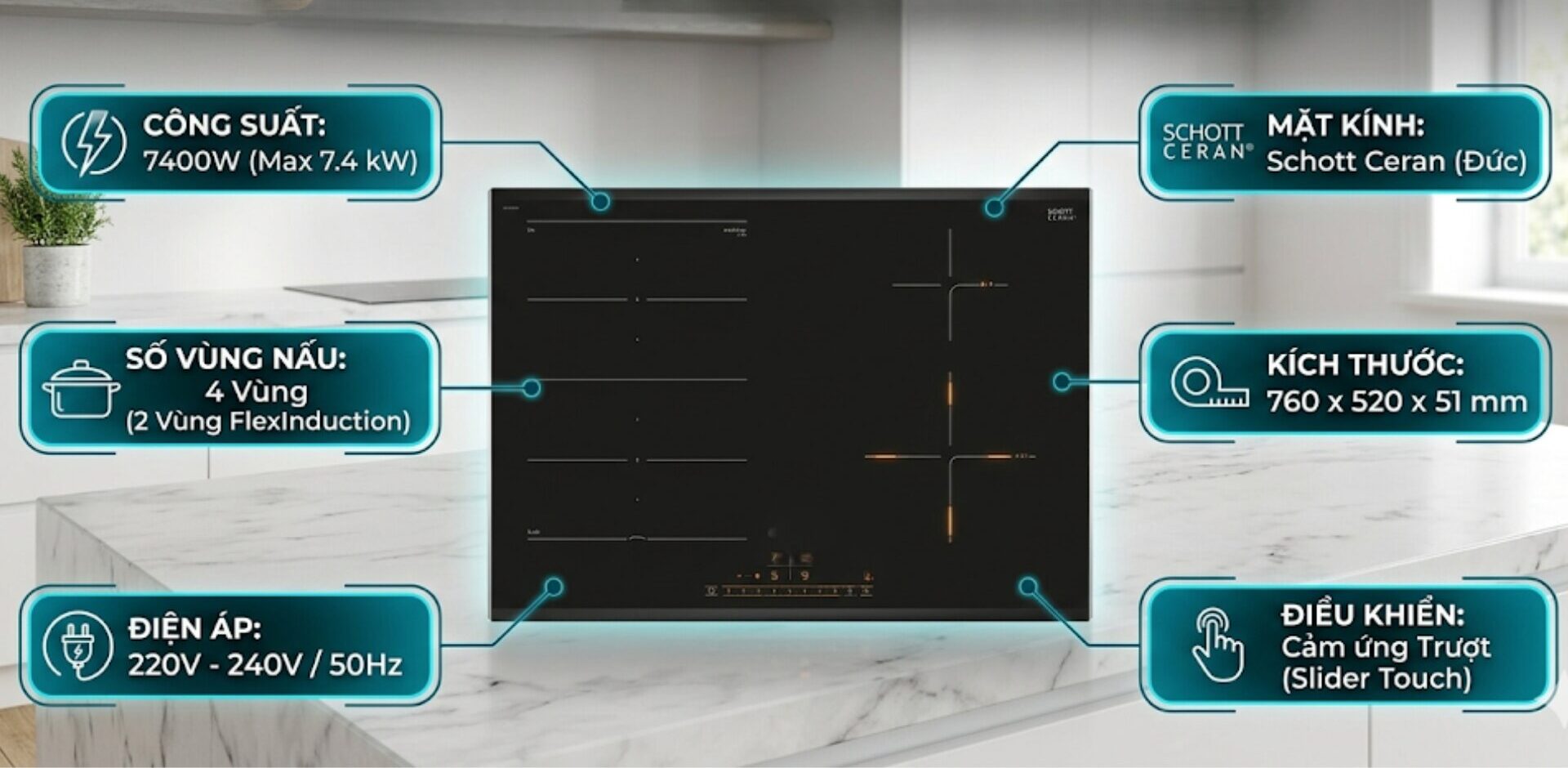
Can induction cookers cook with clay pots? The short answer is that regular clay pots cannot be used directly on induction cookers because the ceramic material does not have magnetic properties. The article below will provide detailed answers to your questions and guide you through 4 extremely simple solutions at home.
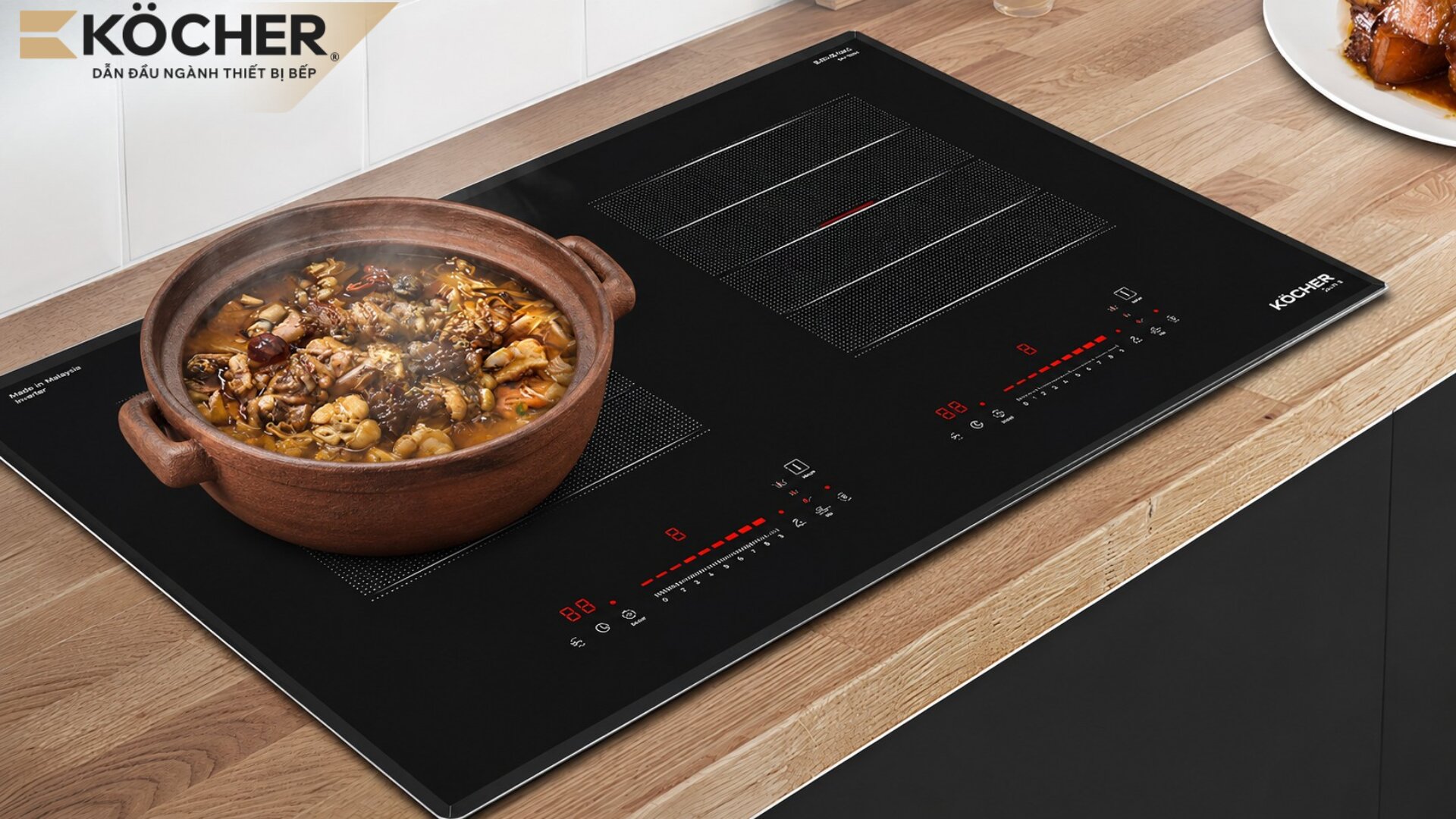
Why can’t induction cookers cook with regular clay pots?
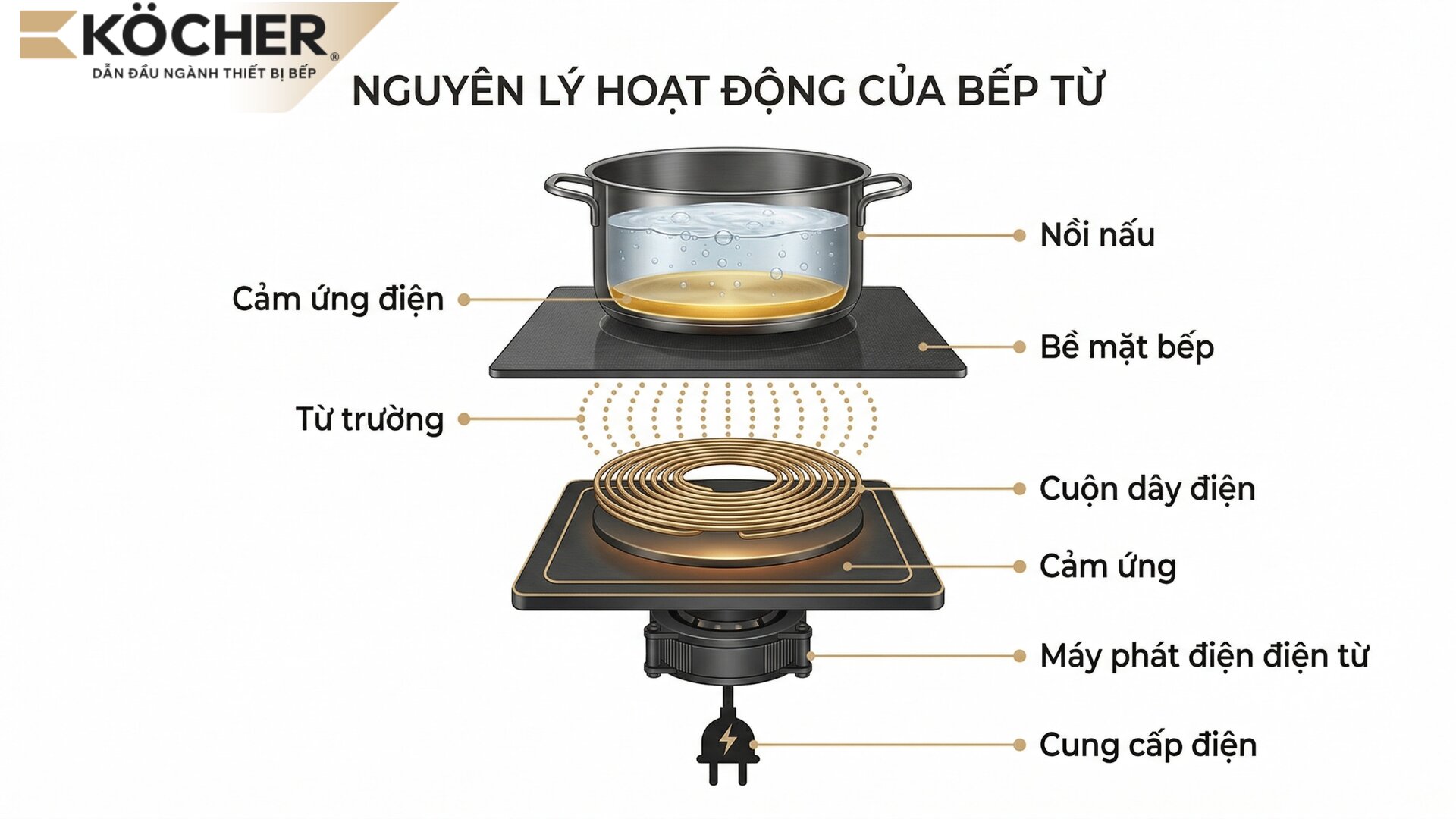
To understand the question can induction cookers cook with clay pots, we need to break down the specific operating principle of this device. Induction cookers operate based on the principle of electromagnetic induction. When the cooker is powered on, alternating current flows through a copper coil (induction plate) located beneath the glass surface, creating a fluctuating magnetic field on the cooking surface. This magnetic field only affects the bottom of pots that have magnetic properties (contain iron), generating eddy currents. These currents cause the metal molecules at the bottom of the pot to oscillate at a very high frequency, generating heat directly at the bottom of the pot to cook the food inside.
Meanwhile, traditional clay pots are made from clay, ceramics, or fired porcelain. These materials have no magnetic properties, are insulating, and cannot react with the magnetic field of the induction plate. Since the magnetic field passes through the clay pot without generating eddy currents, the cooker will immediately display an E0 error (unable to detect the pot) and will not heat up at all.
However, clay pots have some amazing thermal characteristics that no metal pot can replace. Clay pots can absorb heat slowly but retain heat for a long time and distribute heat evenly throughout the pot. This characteristic helps dishes, especially braised dishes (like braised fish, braised pork) or stews, to cook slowly and evenly, preserving the natural sweetness and rich nutrients. This is why home cooks love using clay pots and always seek solutions to see if induction cookers can cook with clay pots for their modern kitchens.
4 ways to use clay pots on induction cookers
To address the non-magnetic property of clay pots, you can apply the following 4 intermediary methods:
Use a heat transfer plate (induction disc) as an intermediary
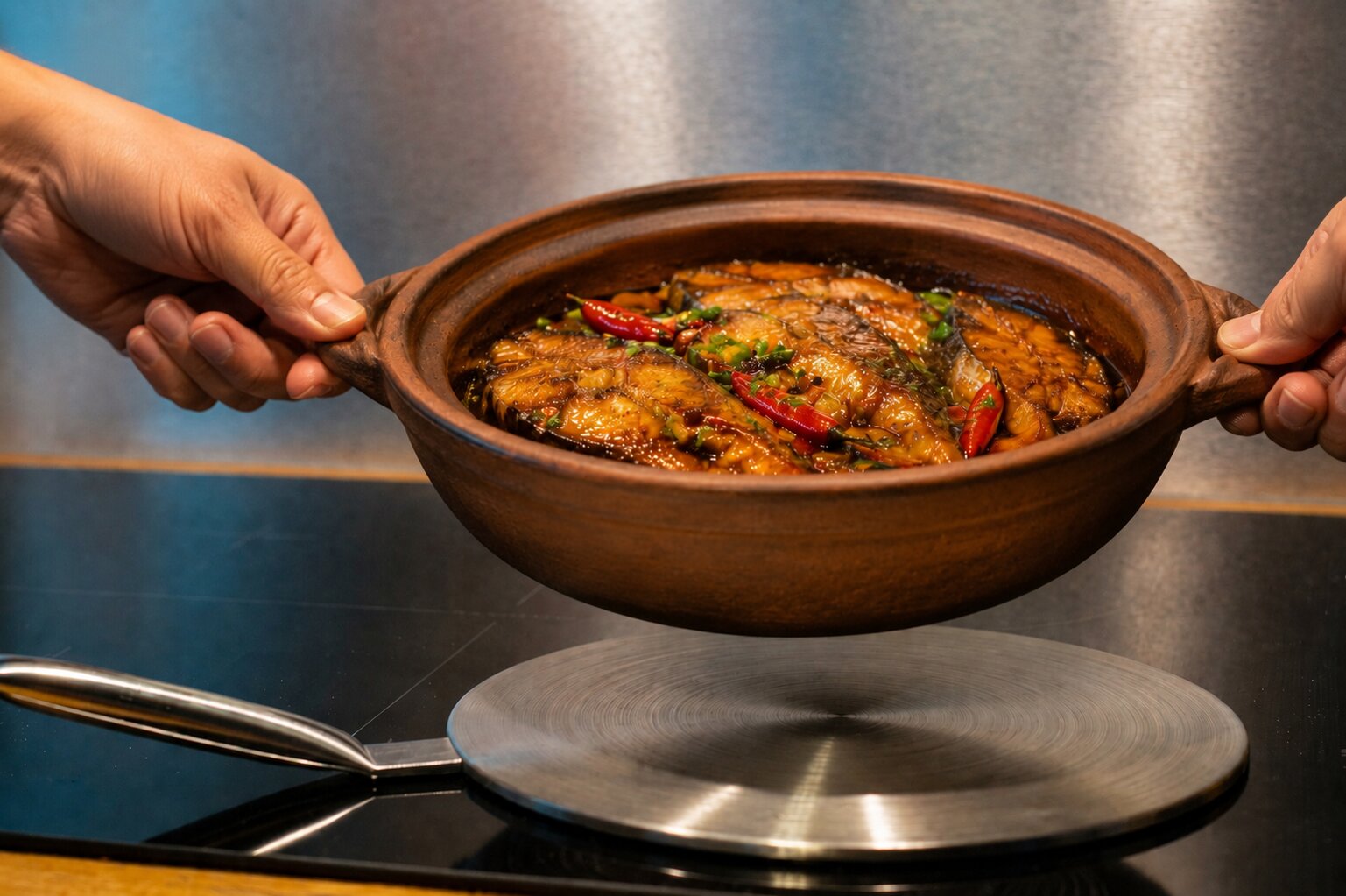
- How to do it: Place the heat transfer disc (made of stainless steel 430 or magnetic steel) directly on the cooking zone of the induction cooker, then place the regular clay pot on top of the disc and turn on the cooker to cook normally.
- Benefits: This is the simplest and fastest method, allowing you to immediately utilize the clay pots available in your home without needing to modify or change the structure of the pot.
Attach a removable magnetic base to the bottom of the clay pot
- How to do it: Stick or securely attach a thin magnetic alloy piece to the bottom of the clay pot. This adhesive piece will directly contact the induction cooker’s surface when cooking.
- Benefits: This solution is very lightweight and convenient, allowing the induction cooker to immediately recognize the clay pot just like a regular stainless steel pot without needing to use a heat transfer plate, optimizing cooking space.
Place the clay pot inside a larger magnetic pot or pan
- How to do it: Place the clay pot directly inside a larger stainless steel pan or pot that is magnetic and slightly larger than the bottom of the clay pot, then proceed to cook.
- Benefits: This method is extremely simple, does not incur any additional costs for purchasing accessories, yet still conducts heat well, while also retaining heat better due to the two layers of pots providing protection.
Use the steaming method
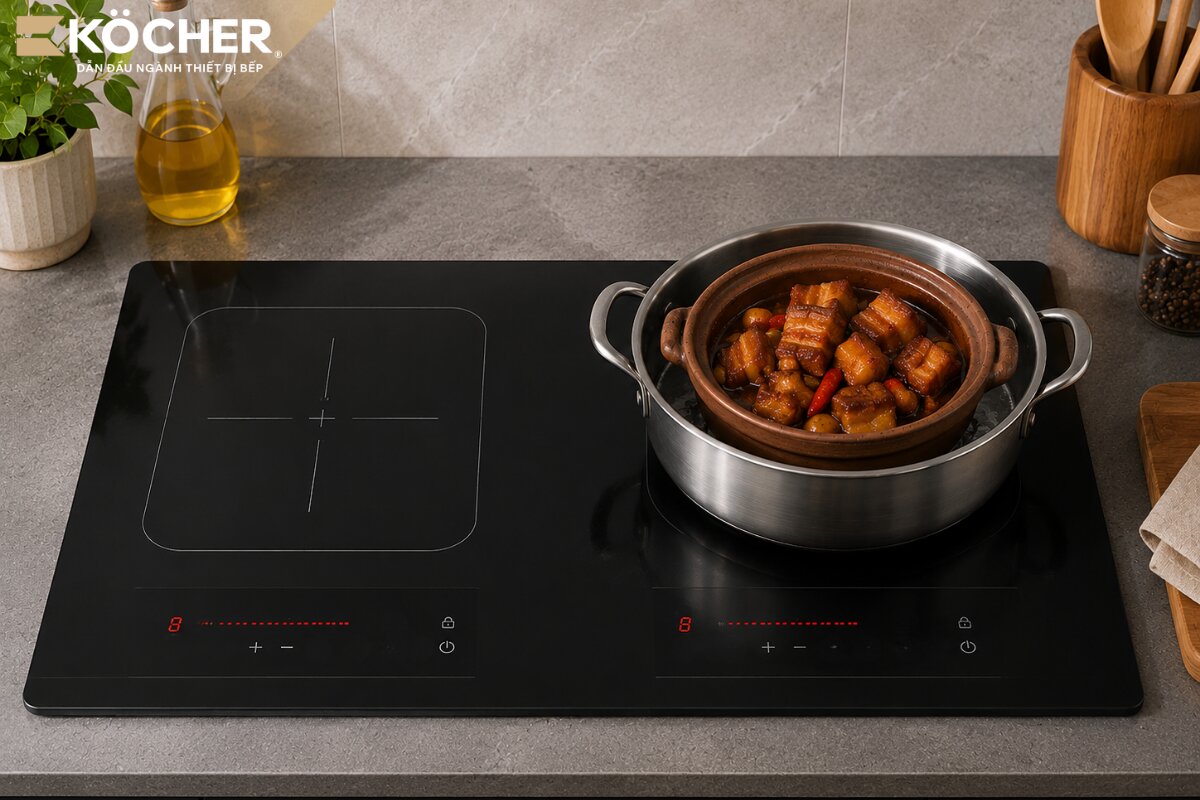
- How to do it: Place the clay pot inside a stainless steel pot or pan filled with water, then place it on the induction cooker to boil. The boiling water will evenly transfer heat and cook the food in the clay pot slowly.
- Benefits: Food cooks deeply and retains all nutrients and natural flavors, without worrying about thermal shock causing the clay pot to crack. This method is extremely ideal for dishes that require deep warmth, such as bird’s nest soup, steaming, or slow cooking.
 Using clay pots for steaming
6 notes when cooking clay pots on induction cookers
Once you have resolved the issue of whether induction cookers can cook with clay pots, during the cooking process, you need to strictly follow the notes below to protect the structure of the clay pot and maintain the durability of the induction cooker’s glass surface:
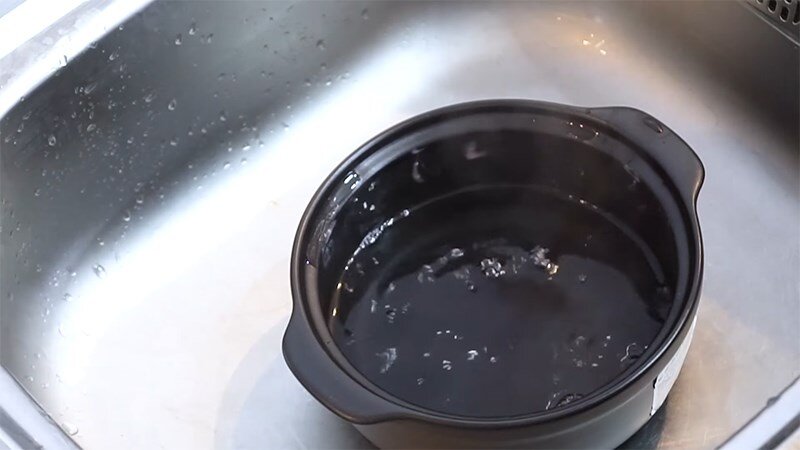
- Soak the pot in water before the first use: You should soak the pot in water for about 15 – 30 minutes to allow the tiny air holes in the clay to absorb enough water, helping the pot to be more durable and reducing the risk of cracking due to heat when newly purchased.
- Avoid cooking dry (pot without food): Absolutely do not turn on the cooker when the pot does not have water or food inside because clay pots absorb heat very quickly, which can easily lead to burning the glaze or cracking the pot.
- Lower the power when the food is boiling: Since clay pots retain heat extremely well, when the food inside starts to boil, you should reduce the temperature to the lowest level to allow the food to cook slowly and avoid overflow or burning at the bottom.
- Avoid sudden thermal shock: Do not pour cold water into a hot pot or place a pot from the refrigerator onto a hot cooker. Rapid temperature changes will cause the clay structure to expand unevenly, leading to cracks.
- Do not drag the pot on the cooktop: When moving, you should lift the pot completely instead of dragging it to avoid the rough surface of the ceramics scratching the tempered glass of the induction cooker.
- Be cautious with the heat transfer plate (if used): After turning off the cooker, the induction plate retains very high heat for a long time. You should not touch it or place it on non-heat-resistant surfaces like wood or plastic.
 Soak the clay pot in water before use. (Source: Internet)
In conclusion, the question can induction cookers cook with clay pots has been answered in the content of this article. Although regular clay pots do not directly attract magnets, with solutions such as using a heat transfer plate, nesting pots, or steaming, you can completely prepare delicious braised and stewed dishes right on your induction cooker.
Choosing induction cookers with sensitive temperature sensors and scratch-resistant X-Nano glass from Köcher will help you confidently cook with ceramic utensils without worrying about damaging the cooktop.
Do you need advice on high-end induction cookers that meet German standards? Contact the expert team at Köcher for technical support and installation measurements at home.
|
Köcher induction cookers pioneer German technology – For detailed product information, please contact:
|