
The induction cooktop is burned (charred, yellowed) is often due to food spilling over but not being cleaned immediately, the bottom of the pot being dirty or overheated. These burn marks, if not handled properly, will reduce the thermal conductivity of the E.G.O components and detract from the aesthetics of the kitchen. Below are the thorough steps to help restore the glass surface to its shiny state.
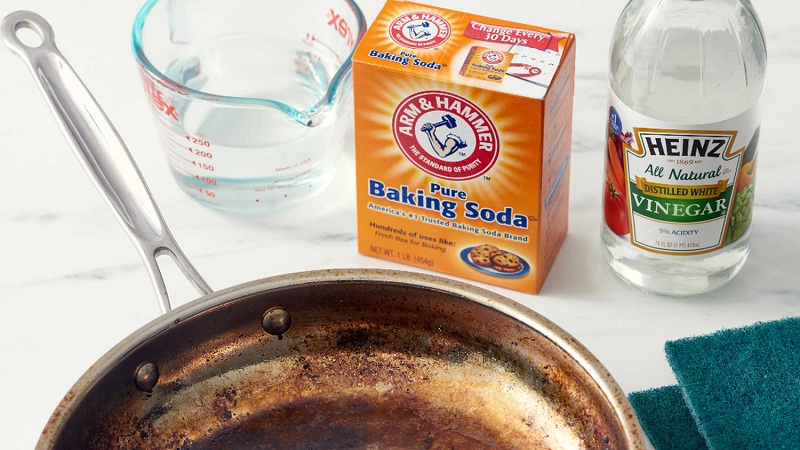
Using baking soda and vinegar
This is a natural cleaning method, safe for hands and extremely effective with fresh burn marks or grease stains.
- Step 1: Mix baking soda with water in a 2:1 ratio to create a thick paste.
- Step 2: Apply this mixture evenly onto the burned glass area and let it sit for about 15-20 minutes.
- Step 3: Spray a little vinegar onto the baking soda layer to create a fizzing reaction, helping to soften stubborn residues.
- Step 4: Use a soft microfiber cloth to wipe away the mixture and rinse with clean water to make the cooktop shiny.
Using a specialized scraper
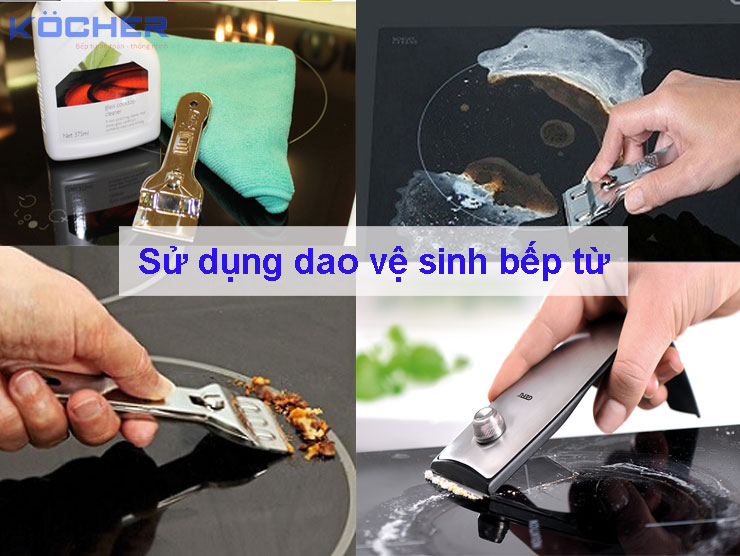
For hard, thick burn marks that a soft cloth cannot clean, you need to use a specialized scraper for glass surfaces.
- Step 1: Ensure the cooktop is completely cool before proceeding to avoid damaging the glass.
- Step 2: Hold the scraper at an angle of about 30 – 45 degrees to the glass surface of the induction cooktop.
- Step 3: Use moderate pressure, scraping gently to lift the burnt layers off the surface (avoid holding the scraper perpendicular as it may cause scratches).
- Step 4: After scraping clean, use a damp cloth to wipe the entire cooktop surface to remove any debris.
Using lemon juice
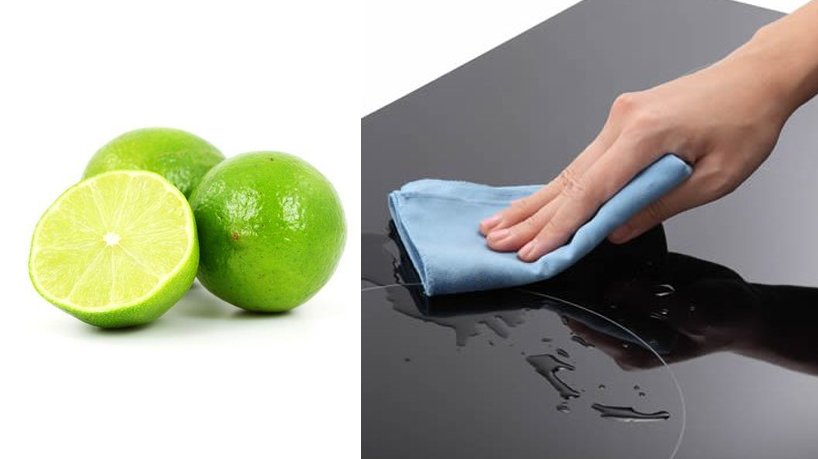
Lemon juice has natural acidity, which helps to whiten and deodorize burnt food very effectively without harming the glass surface.
- Step 1: Squeeze the juice of 2 fresh lemons into a small bowl.
- Step 2: Use a soft cloth to soak up the lemon juice and apply it directly to the burnt area.
- Step 3: Wait about 10 – 15 minutes for the acid in the lemon to loosen the dirt bonds. For those who have referred to the guide to grilling meat with an electric stove directly on the infrared glass surface, this lemon juice tip is also extremely useful for removing burnt grease streaks and lingering burnt smells after a meal.
- Step 4: Wipe again with clean water; the glass surface will not only be free of dirt but also have a naturally fresh scent.
 Using lemon juice to remove burn marks on the induction cooktop
Using specialized cleaning agents
If the natural methods do not yield the desired results, you should use a specialized induction cooktop cleaning solution (such as Domax or Cif).
- Step 1: Pour an adequate amount of cleaning solution onto the burned glass area.
- Step 2: Wait about 5 minutes for the chemicals to penetrate and break down the stain structure.
- Step 3: Use a sponge or soft cloth to gently scrub the surface.
- Step 4: Dry the cooktop with a clean cloth to ensure no residual chemicals that could harm health during the next cooking session.
Notes when using induction cooktops to prevent glass burning
To protect the high-quality glass and the electronic components inside, you should keep the following notes in mind:
- Clean immediately after cooking: Always wait for the residual heat warning symbol (H) to disappear, then wipe lightly with a damp cloth to prevent stains from being “cooked” again. When cooking, many people often wonder if the electric stove automatically shuts off if it overheats or food spills; in fact, modern cooktops are equipped with this safety auto-shutoff sensor, which minimizes the risk of food burning and sticking directly to the glass surface.
- Check the bottom of the pot: Always ensure the bottom of the pot is dry and clean before placing it on the stove.
- Use genuine equipment: Choose cooktops with Schott Ceran glass from Kocher as this type of glass has high smoothness, good non-stick properties, and is extremely easy to clean. This is also one of the advantages of modern electric stoves that families highly appreciate compared to traditional gas stoves.
- Avoid dragging pots and pans: Dragging metal utensils across the cooktop can easily create small scratches, where grease can accumulate over time, leading to glass burning.
Handling a burned cooktop will not be too difficult if you master the above techniques. Take care of your induction cooktop properly to keep the warmth of your home cozy and luxurious! Köcher is proud to be a pioneer in Vietnam bringing German technology into induction cooktop products.