Is the induction hob glass insulated? is a concern for many families, especially when cooking in a humid environment or when accidentally spilling water on the hob surface. Understanding the protection mechanism and the insulation capability of the glass not only helps you feel more secure while cooking but also provides important knowledge to identify potential safety hazards. Let’s explore the optimal solutions to protect your family from electric leakage from the hob right below.
Is the induction hob glass insulated?
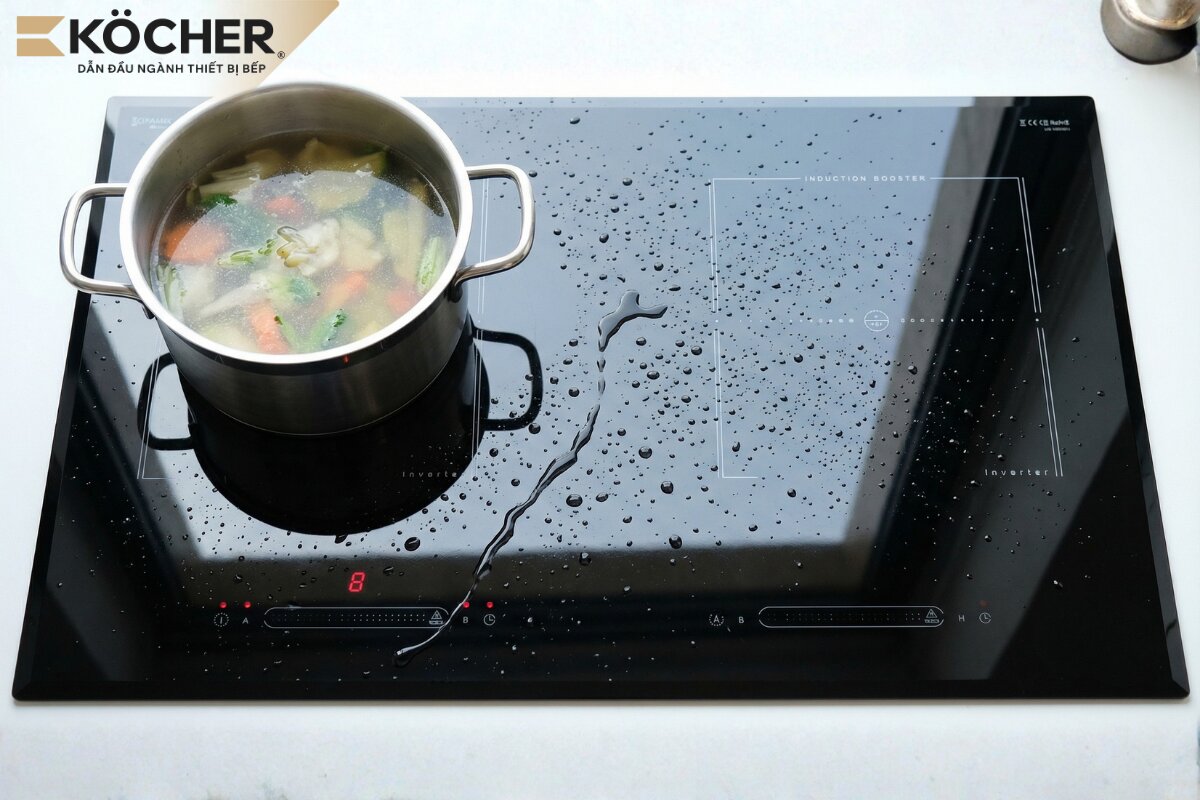
The induction hob glass is insulated and designed to provide absolute insulation to ensure the safety of users from electric shock, even when in direct contact with the cooking surface.
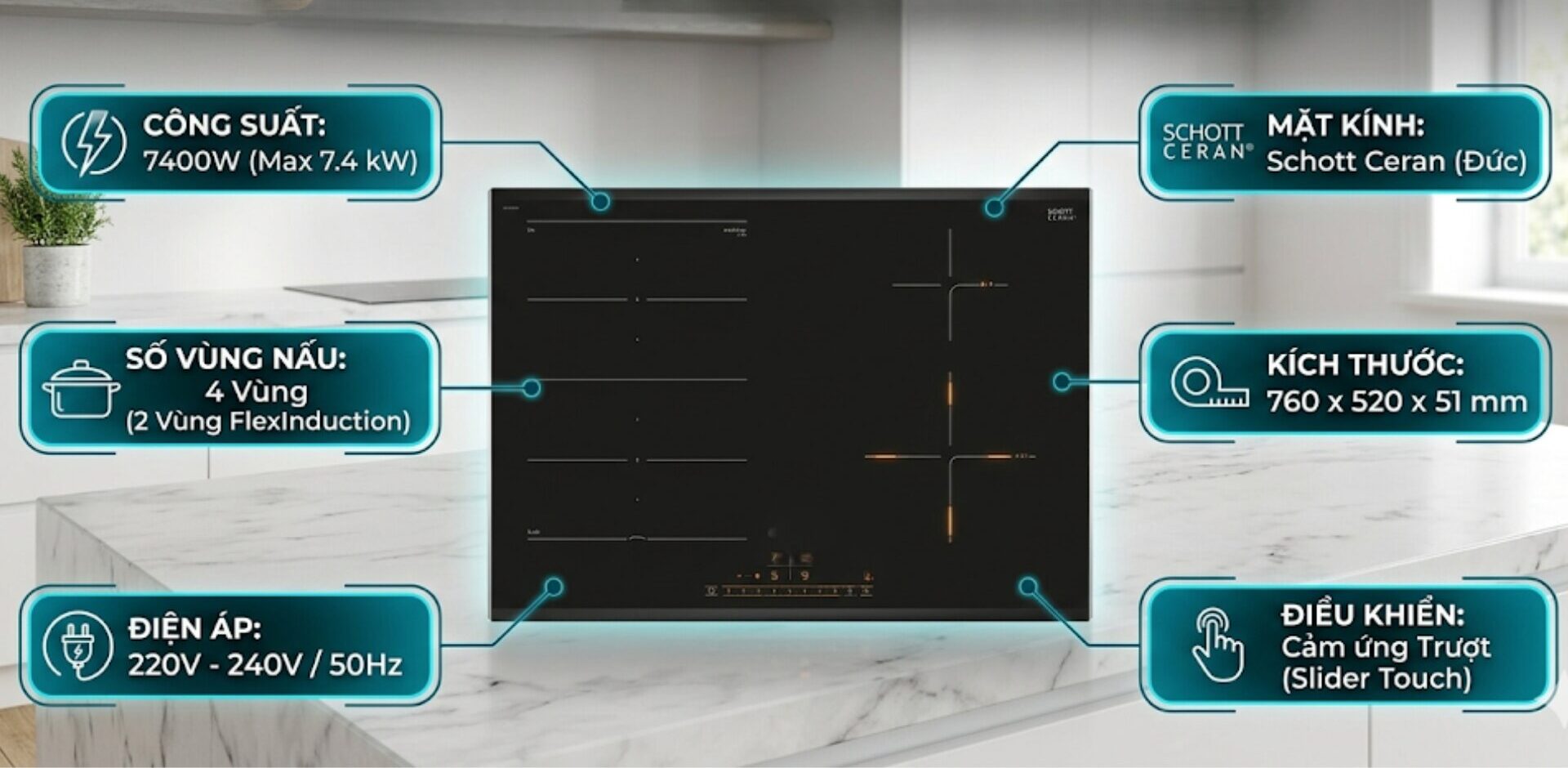
Quality induction hobs typically use glass made from glass-ceramic (Glass-ceramic) such as Schott Ceran or EuroKera. This is a non-metallic material, free of conductive particles, serving as a perfect insulator between the copper coil inside and the contact surface above. To achieve this optimal protective capability, the manufacturing process of glass-ceramic substrates always requires very strict structural standards. Many users, when researching this material component, often wonder whether the induction hob glass is thick enough to ensure mechanical durability against strong impacts while maintaining effective electrical separation. Typically, genuine glass panels will have a thickness ranging from 4mm to 8mm, creating a solid safety shield for both users and the internal circuit board. Additionally, the principle of the hob is to use a magnetic field through the glass layer to heat the bottom of the pot, so there will be no electric current passing through the glass surface of the hob.
5 cases where the glass loses its insulation capability and how to handle it
Below are common mistakes and incidents that can disable the insulation capability of the induction hob, leading to safety risks for users.
Cracked or deeply scratched glass
When the induction hob glass is cracked or deeply scratched, the crack will break the protective insulation layer of the glass, allowing water and moisture to penetrate the components underneath.
How to handle: When you notice the glass is cracked, immediately turn off the power and contact the warranty center to replace the glass. The cost of replacing the glass will depend on the type of glass used in the device. To understand the cause of the glass cracking and temporary handling methods, you can refer to the article Is a cracked induction hob glass a problem? 5+ ways to handle cracked or broken hob surfaces.
Water seeping into the electrical circuit
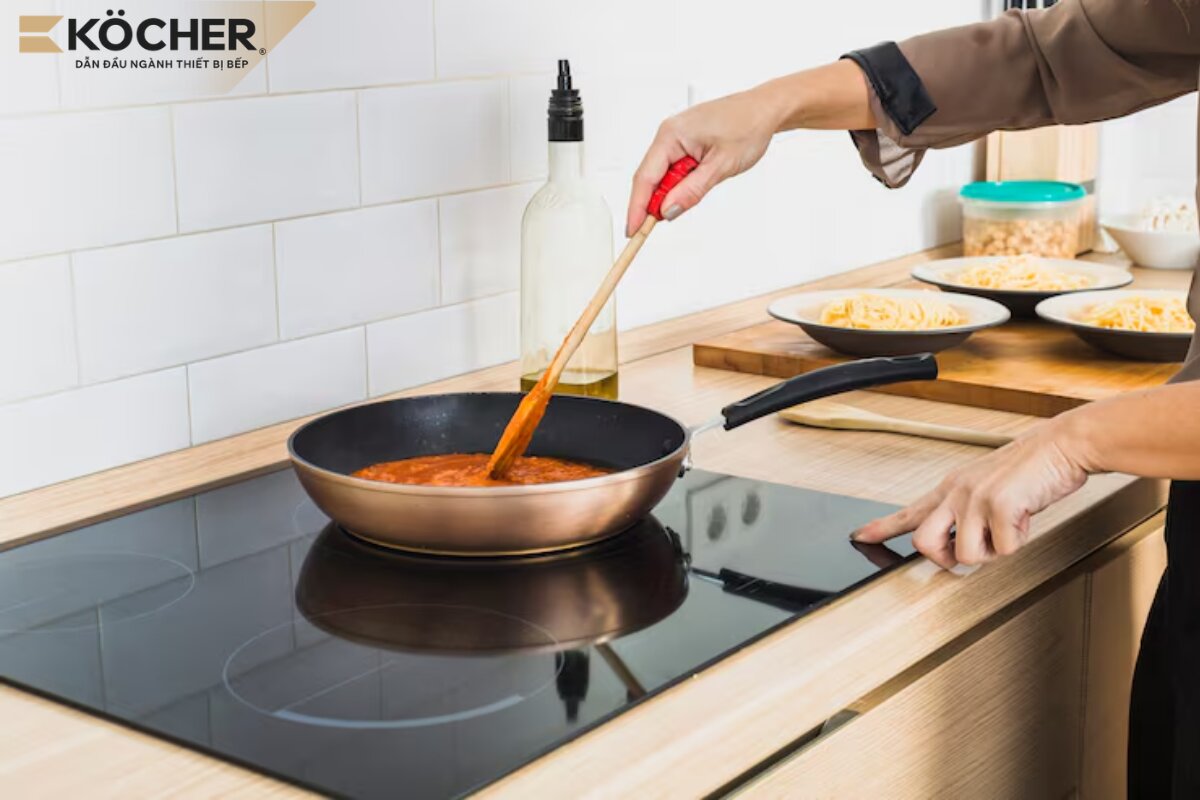
Over time, due to the continuous high temperature impact, the adhesive layer of the glass frame becomes brittle, peeling, or crumbling (only found in low-quality hobs). Water from cleaning or excessive food spills can seep through gaps to the circuit board underneath, causing short circuits or electric leakage. Additionally, water can flow down the ventilation gap or control panel if not designed to be sealed.
How to handle: Always dry the bottom of the pot before cooking, clean the hob with a soft cloth and specialized cleaning solution, and avoid pouring water directly onto the glass surface or allowing water to spill while cooking.
Damaged grounding wire
The grounding wire serves to eliminate excess leakage currents. If this wire is broken or not properly connected, static electricity or slight leakage can cause a tingling sensation when touching the metal parts of the hob.
How to handle: Check the household electrical system and ensure the hob is grounded through a 3-pin plug or a separate grounding wire.
Hob is electrified due to animal interference
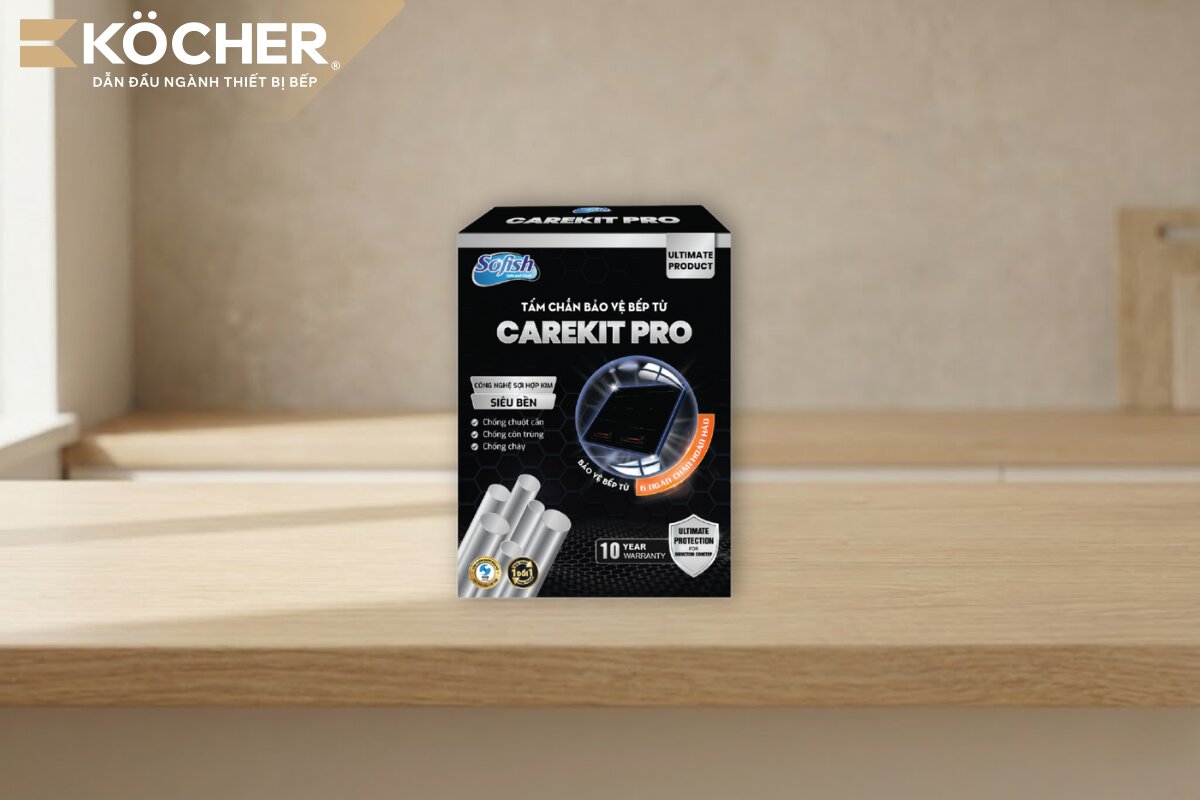
Insects or small animals like mice and cockroaches often crawl under the hob and chew on the protective plastic covering of the wires underneath. When exposed wires touch the frame or metal parts, the entire hob body will become electrified, posing a danger to users.
How to handle: Install insect-proof nets for the hob and periodically check the hob’s belly to detect early signs of wire damage.
Using low-quality replacement parts
Cheap glass panels have higher metal impurities and poorer insulation when exposed to extreme temperatures. At the same time, low-quality circuit boards lack moisture-resistant coatings, making them very susceptible to electric leakage in Vietnam’s humid climate.
How to handle: Prioritize choosing reputable induction hob brands and replace parts at authorized warranty centers.
Choosing high-quality glass lines with advanced surface structures not only helps maintain optimal insulation capability but also ensures stable energy transmission performance. For example, when upgrading to modern frosted glass-ceramic lines, consumers can completely feel secure to find out whether frosted glass is magnetic to make an accurate replacement decision; because this ultra-structural treatment layer does not hinder the magnetic wave, ensuring the hob achieves absolute electrical safety while maintaining strong cooking performance.
5 important notes when the induction hob glass loses its insulation capability
When suspecting the hob is no longer safe, you need to strictly follow the following principles to protect yourself and your family:
- Do not continue using the hob: Absolutely do not attempt to cook when the glass is damaged; a small electric leakage incident can become a major accident in a humid environment.
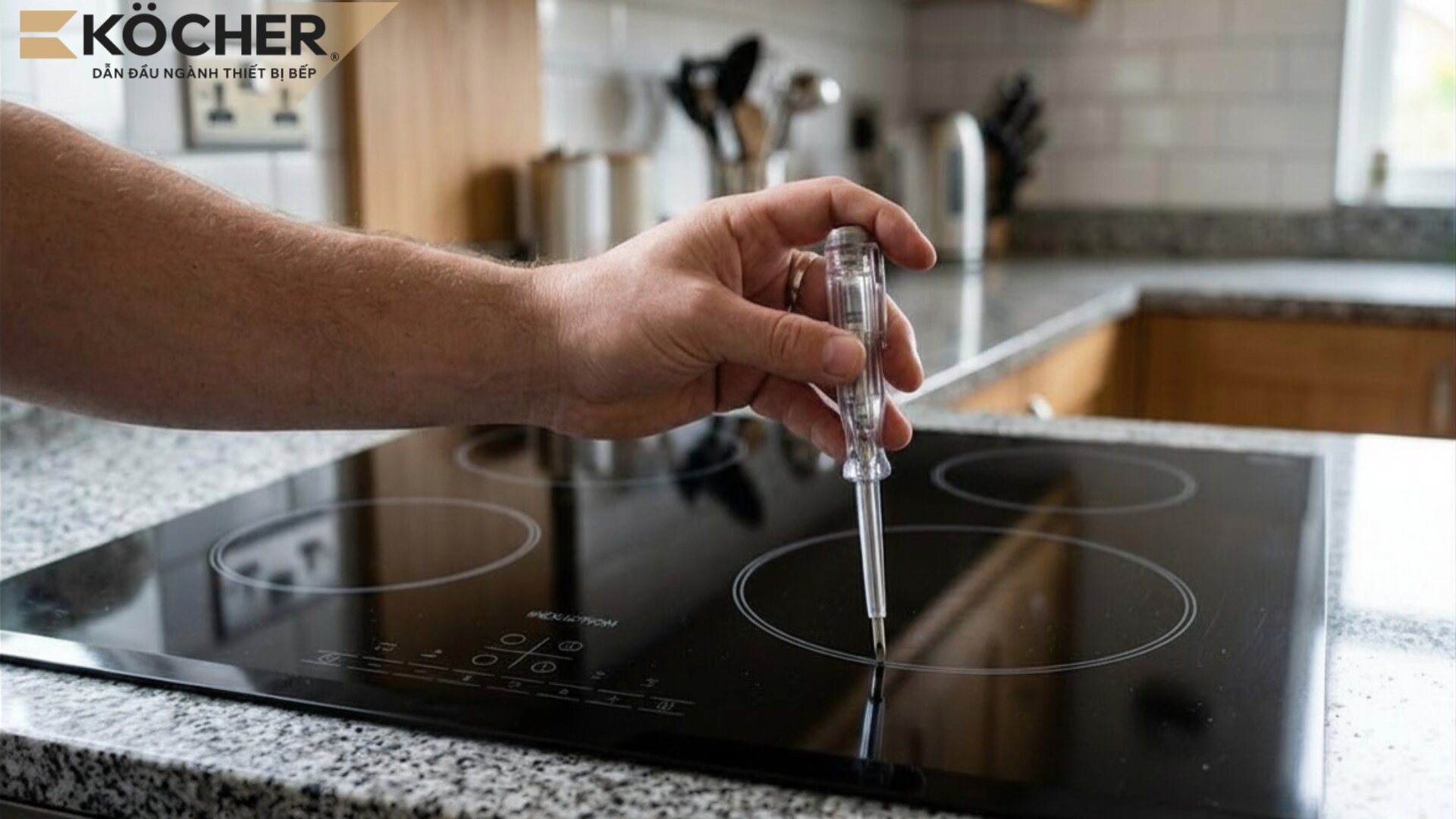
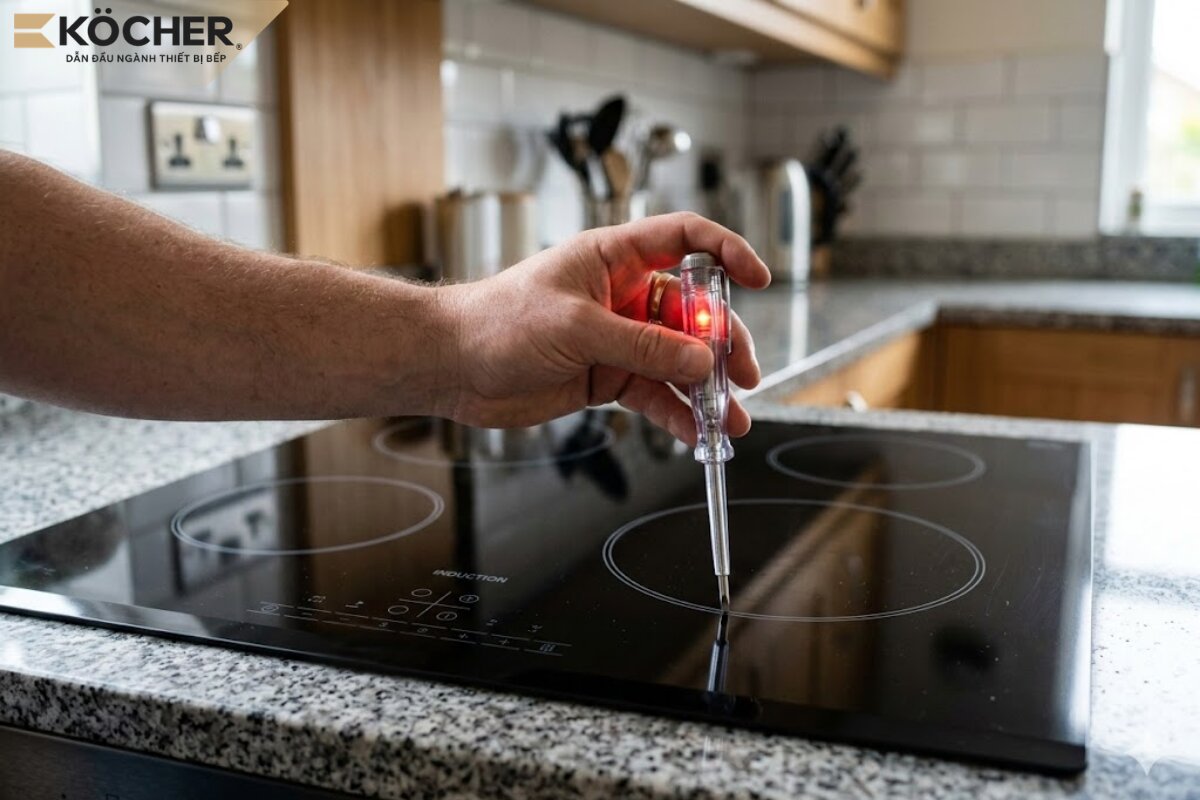
- Use a voltage tester to check: When you see cracks on the hob and suspect electric leakage, use a voltage tester to touch directly on that point while the hob is on to check the actual insulation capability before using the device.
- Disconnect the power supply to ensure safety: This is the quickest action to completely isolate the device from the electrical system, allowing you to safely check or wait for a repair technician.
- Remove non-standard hob liners: Avoid using paper, fabric, or pads to prevent scratches; if these materials are damp or contain metal fibers, they will become indirect electrical conductors from the hob surface to the pot.
- Alert other members: You can post a notice, remember, or disconnect the power supply to ensure that children or elderly people in the house do not accidentally use the malfunctioning hob.
See more: Causes and solutions for induction hobs that run but do not heat
Hopefully, this article has helped you answer the question is the induction hob glass insulated? and understand how to handle electric leakage incidents. Choosing an induction hob with quality glass and proper installation is the key to ensuring safe and durable use of the device over the years.
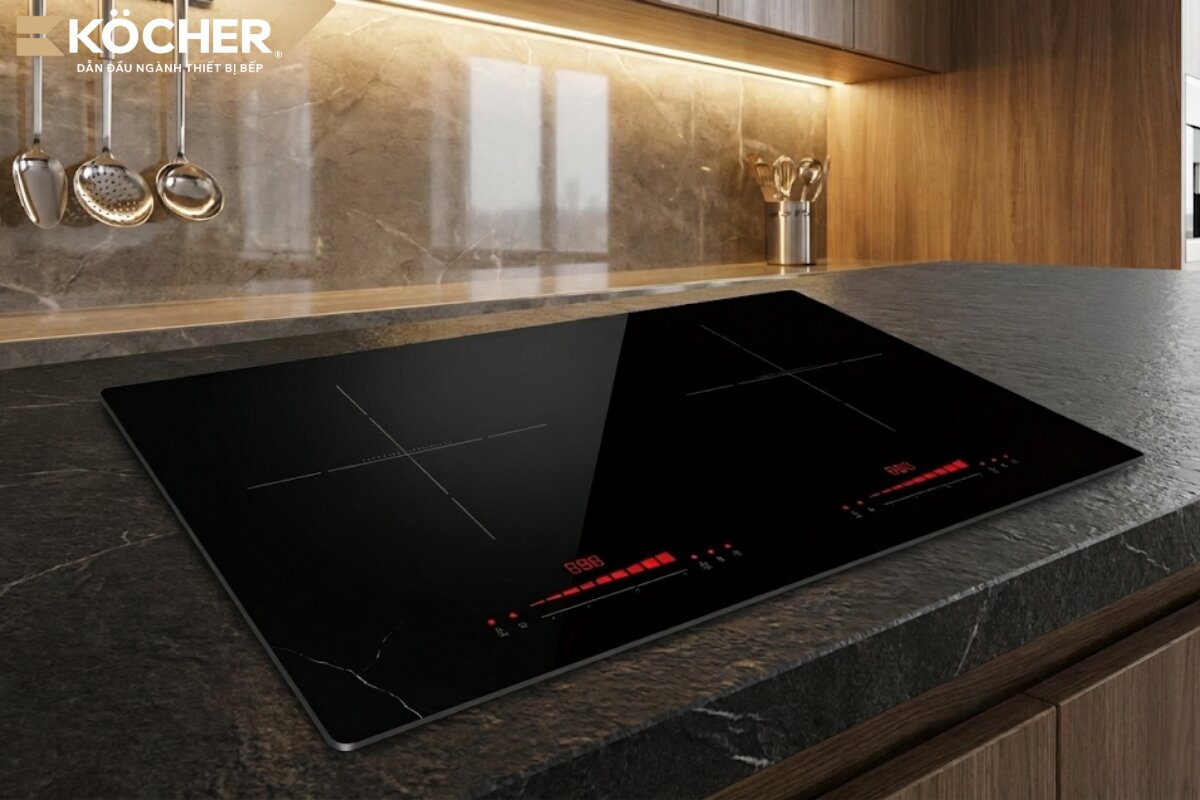
If you are looking for high-quality induction hobs, please refer to Köcher’s products here. With elegant product design, premium quality, and dedicated support services, Köcher is committed to providing an exceptional cooking experience and elevating the status of your kitchen.
Köcher induction hobs pioneer German technology – For detailed product information, please contact:
|